
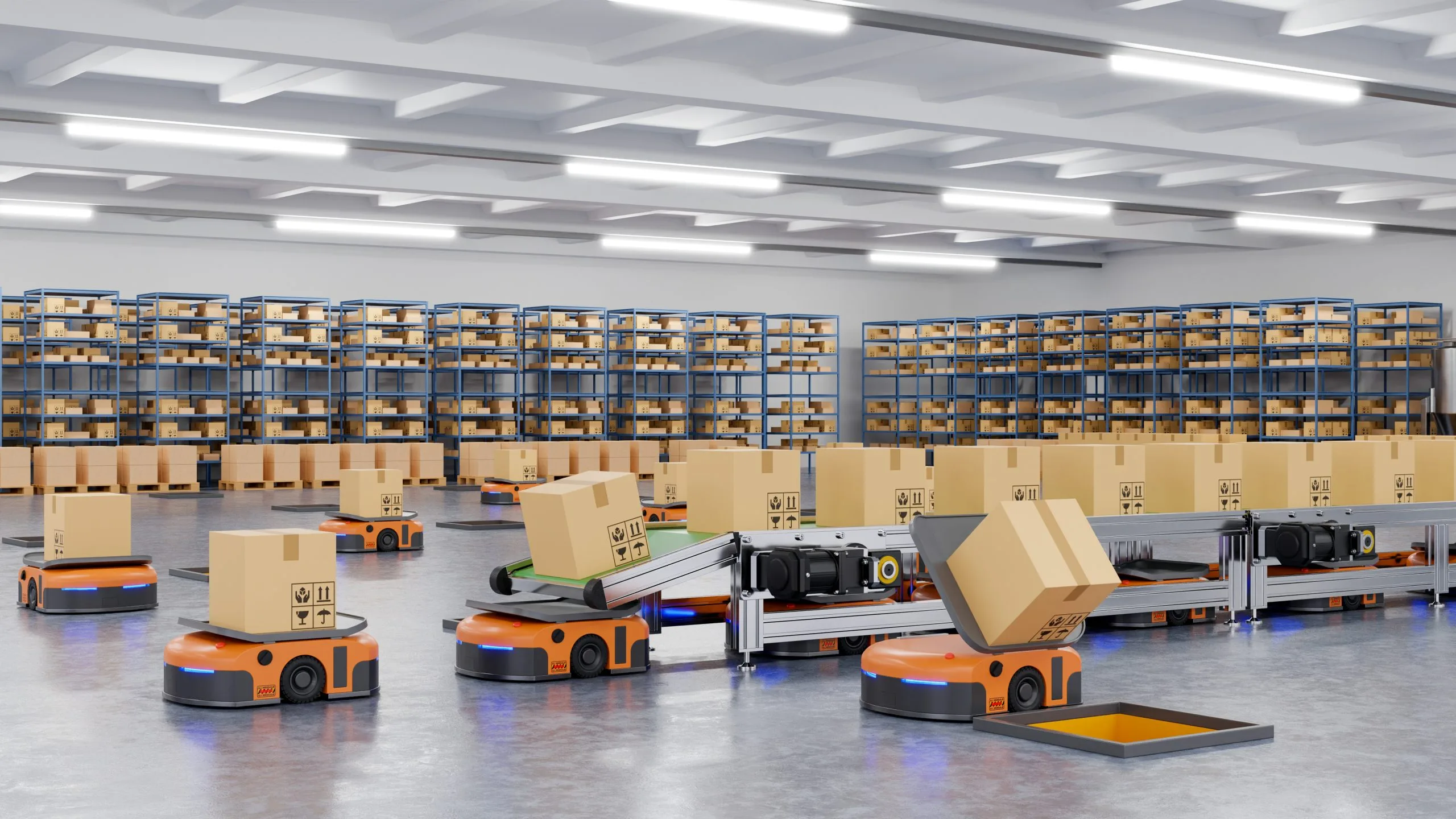
The Brazil warehousing market is positioned for sustained expansion through 2035, driven by structural shifts in retail, industrial supply chains and logistics real estate demand. In 2024, the sector generated an estimated USD 59.0 billion in revenue, with growth underpinned by rising e‑commerce penetration and increased demand for modernized storage and distribution infrastructure. As businesses adapt to evolving supply chain needs, the warehousing segment is emerging as a core component of Brazil’s broader logistics ecosystem.
Key Market Drivers Factors Fueling Growth in Brazil’s Warehousing Sector
E‑commerce Expansion and Retail Fulfillment
Online retail growth in Brazil has accelerated demand for warehousing facilities capable of supporting rapid order fulfillment and last mile distribution. Retailers and third‑party logistics (3PL) providers are investing in strategically located logistics hubs to reduce delivery times and optimize inventory turnover. Increased consumer expectations for same‑day or next‑day delivery have made proximity to urban centers a priority for new facilities.
Industrial and Manufacturing Logistics
Brazil’s manufacturing and export sectors, particularly agriculture and automotive, are driving demand for efficient logistics infrastructure. Warehouses serve as critical staging points for export commodities and inputs, reducing bottlenecks in supply chains and supporting export competitiveness. Additionally, manufacturers are increasingly using specialized storage solutions, such as cold chain facilities for perishable goods.
Foreign Investment and Real Estate Development
Institutional capital inflows into logistics and industrial real estate have grown, drawn by stable long-term returns and rising tenant demand. Logistics properties in major corridors like São Paulo–Rio de Janeiro are witnessing tighter occupancy and new development activity, reflecting investor confidence in the sector’s fundamentals.
Policies Driving Logistics and Infrastructure Development
Government infrastructure initiatives aimed at enhancing multimodal transport networks — including road, rail and port connectivity — indirectly support warehousing growth by improving supply chain fluidity and reducing transportation bottlenecks. Policy focus on digital logistics and trade facilitation also reinforces market development and competitiveness.
Competitive Landscape, Analysis of Key Players and Market Positioning
The Brazil warehousing market is characterized by participation from both domestic and international logistics and real estate firms. Key players include global 3PL operators and real estate developers expanding modern warehouse portfolios. Competition is centered on strategic site selection, facility quality and integration of technology to support automated operations and advanced inventory management.
Market Challenges, Supply Chain Disruptions and Regulatory Barriers
Infrastructure and Regulatory Hurdles
Despite infrastructure improvements, logistics inefficiencies remain a challenge. Limited rail density, fragmented road networks, and complex regulatory frameworks can increase operating costs and delay project execution. High land and construction costs in prime logistics zones also constrain expansion. Additionally, supply chain cost pressures and skilled labour shortages can limit adoption of advanced warehousing technologies.
Future Outlook
Through 2035, the Brazil warehousing market is expected to maintain robust growth, supported by continuous e‑commerce expansion, increased adoption of automation and logistics digitalization. Market participants are likely to priorities sustainable facility designs, cold chain expansion, and integration with multimodal transport systems. As warehousing becomes integral to supply chain resilience, demand for modern, flexible and tech enabled logistics space will continue to rise, shaping long‑term investment and development patterns.
Consultants at Nexdigm, in their latest publication “Brazil Warehousing Market Outlook to 2035,” analyze the sector by System Type (Automated Fulfillment Warehouses, Cold Storage Warehouses, General Merchandise Distribution Warehouses, E Commerce Fulfillment Centers), By Platform Type (Urban Distribution Centers, Regional Logistics Parks, Port Based Warehousing Facilities), and By Fitment Type (Built to Suit Warehouses, Speculative Grade A Warehouses, Retrofit Industrial Warehouses). Nexdigm suggests that businesses should focus on optimizing their supply chain strategies and invest in modern, scalable warehousing solutions to meet the growing demands of e-commerce and industrial logistics. This includes leveraging technology for better inventory management, improving last-mile delivery capabilities, and exploring strategic locations that offer enhanced connectivity to key markets.
To take the next step, simply visit our Request a Consultation page and share your requirements with us.
Harsh Mittal
+91-8422857704