
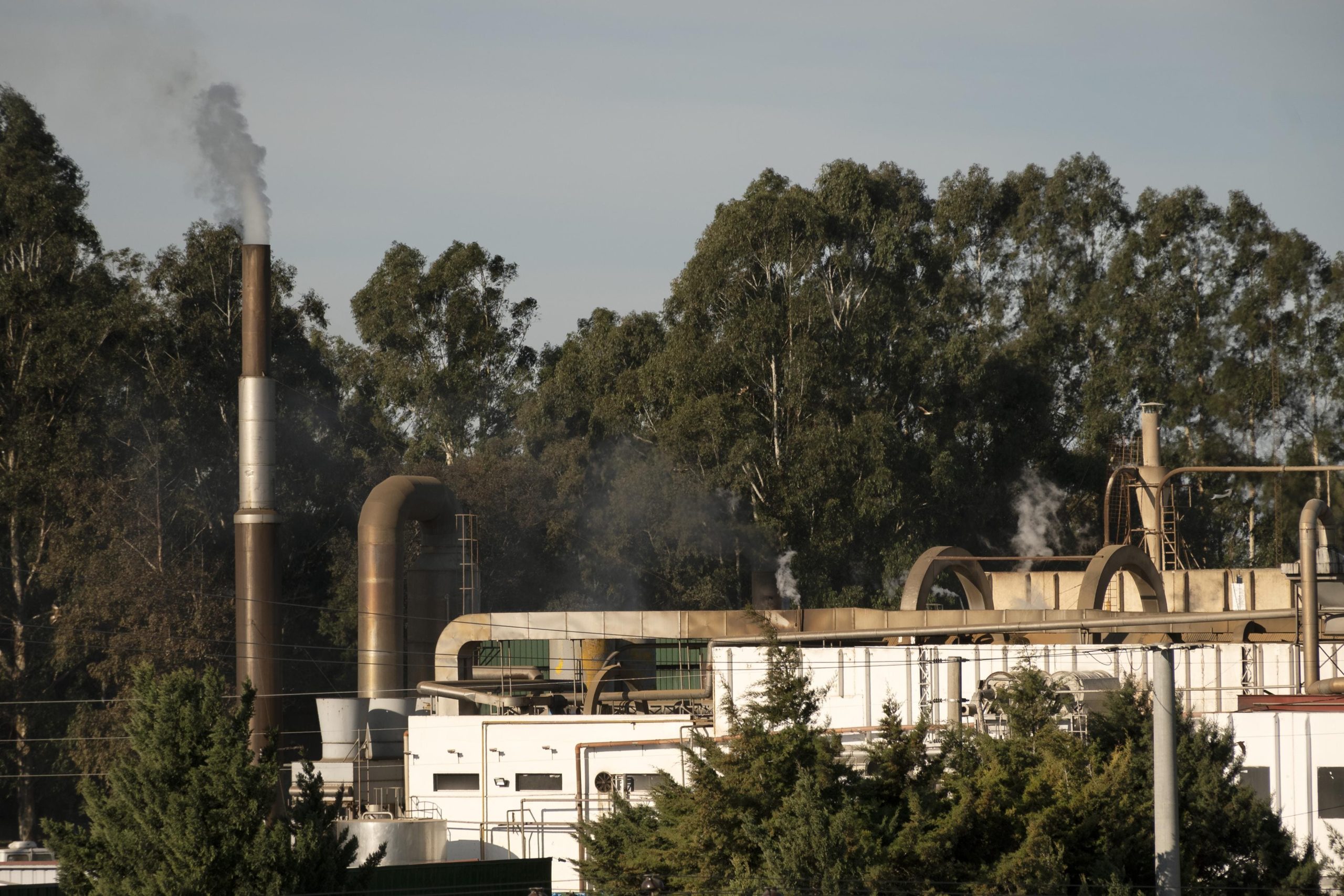
Canada’s Advanced Biofuel Market is witnessing robust growth, driven by ambitious decarbonization goals, clean fuel regulations, and increasing demand for sustainable alternatives across transportation, aviation, and industrial sectors. The country consumes more than 45 billion liters of transportation fuels annually, creating substantial opportunities for advanced biofuels such as renewable diesel, Sustainable Aviation Fuel (SAF), biomethane, and cellulosic ethanol. With abundant biomass resources, including forestry residues, agricultural waste, and municipal solid waste, Canada is well-positioned to expand domestic advanced biofuel production. Growing investments in renewable fuel infrastructure and net-zero initiatives continue to strengthen long-term market prospects.
Key Market Drivers for Canada’s Advanced Biofuel Market
Clean Fuel Regulations Drive Renewable Fuel Adoption
Canada’s clean energy transition is accelerating demand for low-carbon transportation fuels. The implementation of the Clean Fuel Regulations (CFR) is encouraging fuel suppliers and industrial operators to reduce lifecycle emissions and increase renewable fuel utilization. Growing demand for renewable diesel, advanced ethanol, biomethane, and waste-derived fuels is supporting investments in production facilities and feedstock supply chains.
Sustainable Aviation Fuel (SAF) Creates Significant Growth Opportunities
Canada’s aviation sector is increasingly focusing on reducing emissions through Sustainable Aviation Fuel adoption. Major airports and airlines are exploring long-term SAF procurement strategies to support net-zero commitments. Rising air passenger traffic and aviation decarbonization targets are creating strong demand for advanced biofuels derived from waste oils, forestry residues, and agricultural byproducts.
Abundant Biomass Resources Strengthen Feedstock Availability
Canada possesses one of the world’s largest biomass resource bases, supported by extensive forestry operations, agricultural production, and organic waste streams. The country generates millions of tonnes of forestry residues and agricultural biomass annually, creating favorable conditions for cellulosic ethanol, renewable diesel, and bio-methane production. This feedstock availability provides a long-term advantage for expanding advanced biofuel capacity
Government Initiatives Supporting Canada’s Advanced Biofuel Market
The Canadian government continues to support advanced biofuel development through the Clean Fuel Regulations (CFR), the 2030 Emissions Reduction Plan, and broader net-zero initiatives. Canada has committed to achieving net-zero emissions by 2050 and has announced investments exceeding CAD 35 billion in clean economy, clean technology, and decarbonization projects. Government funding programs support renewable diesel facilities, SAF projects, biofuel innovation, and low-carbon fuel infrastructure. These initiatives are encouraging large-scale investments in advanced biofuel production while strengthening domestic renewable fuel supply chains.
Competitive Landscape of Canada’s Advanced Biofuel Market
Canada’s Advanced Biofuel Market is becoming increasingly competitive as energy companies, fuel producers, forestry firms, and technology developers expand renewable fuel capacity. Competition is focused on feedstock optimization, renewable diesel production, SAF commercialization, biomethane development, and carbon-intensity reduction. Major participants including Suncor Energy, Imperial Oil, Parkland Corporation, Shell Canada, Neste, and Canfor are investing in renewable fuel projects and advanced bio-refining technologies. Strategic partnerships between airlines, fuel suppliers, forestry operators, and technology providers continue to accelerate commercialization and scale-up of next-generation biofuels.
Major Challenges Facing Canada’s Advanced Biofuel Market
Feedstock Logistics and Regional Supply Challenges
Although Canada has abundant biomass resources, transporting and processing feedstocks across large geographical distances can increase production costs and create supply chain complexities
High Commercialization and Capital Costs
Scaling advanced biofuel technologies from pilot facilities to commercial production remains capital intensive. Ensuring competitive production economics while meeting strict sustainability standards remains a key challenge for industry participants.
Future Outlook
Canada’s Advanced Biofuel Market is expected to witness strong growth through 2035, supported by transportation fuel demand exceeding 45 billion liters annually, expanding renewable diesel production, and rising investments in Sustainable Aviation Fuel infrastructure. The country’s vast forestry sector, growing biomethane production, and clean fuel regulations will continue to strengthen feedstock availability and market demand. Additional opportunities are expected to emerge from waste-to-fuel projects, low-carbon trucking fuels, aviation decarbonization programs, and industrial renewable energy applications. Companies investing in advanced conversion technologies, integrated bio-refineries, and feedstock diversification strategies will be well-positioned to benefit from Canada’s transition toward a low-carbon fuel economy.
Consultants at Nexdigm, in their latest publication “Canada Advanced Biofuel Market Outlook to 2035,” analyse the sector By Fuel Technology Type (Tallow-based HVO, Used Cooking Oil HVO and Forestry Residues Pyrolysis Oil), By Primary End-User Sector (Commercial Heavy-Duty Transportation and Civil Aviation Industry) and By Geographic Region (British Columbia Low Carbon Fuel Standard Zone, Alberta Industrial Bio-processing Hub and Ontario Bio-economy Corridor).
Nexdigm suggests that businesses in Canada’s Advanced Biofuel Industry prioritize renewable diesel, Sustainable Aviation Fuel (SAF), biomethane, and forestry-residue-based biofuels to capitalize on the country’s 45 billion+ liters of transportation fuel demand, CAD 35 billion+ clean economy investments, abundant biomass resources, and growing need for low-carbon fuel solutions across aviation, transport, and industrial sectors.
To take the next step, simply visit our Request a Consultation page and share your requirements with us.
Harsh Mittal
+91-8422857704