
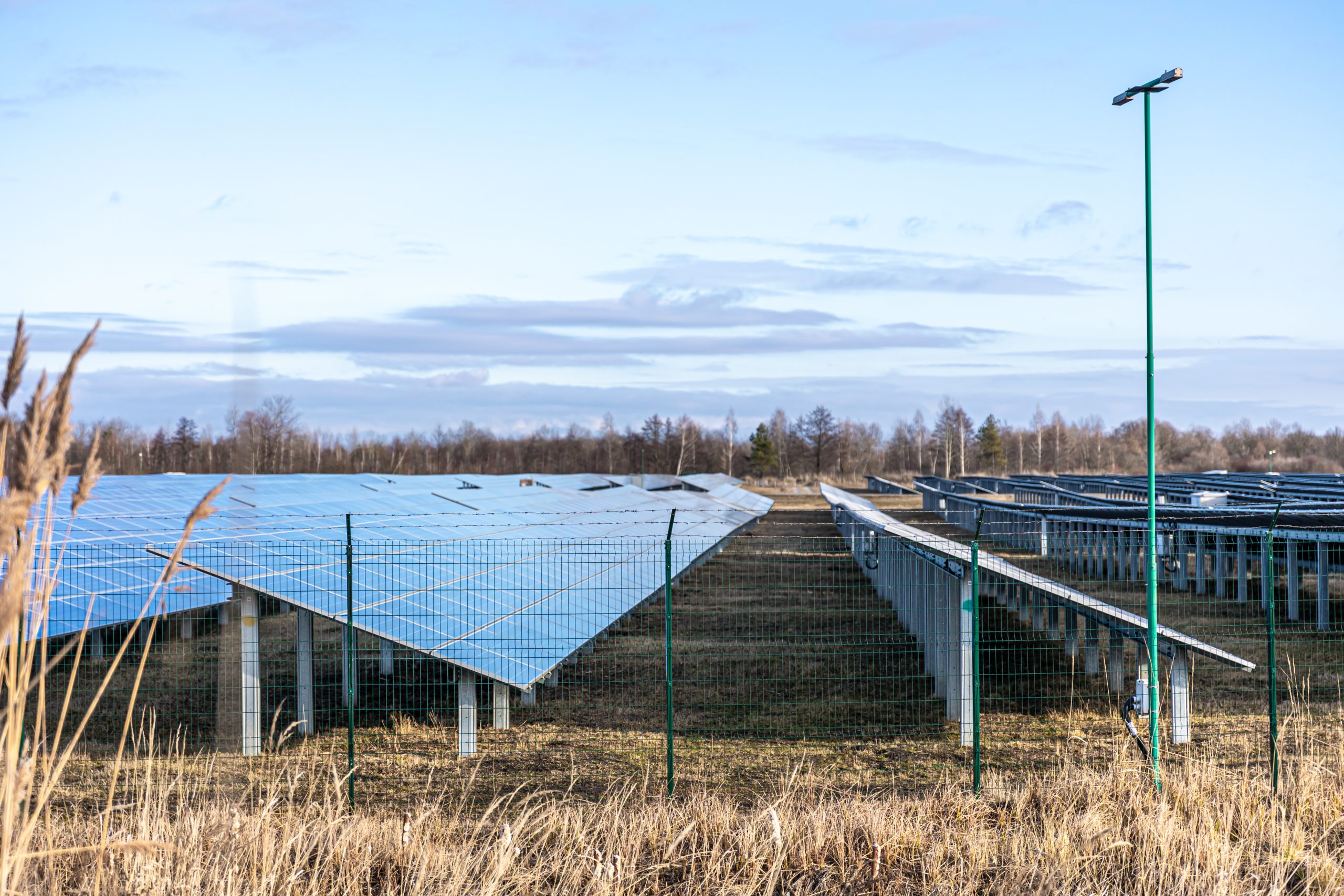
The Canada advanced energy storage systems market is entering a high-growth phase, supported by accelerating renewable energy deployment, grid modernization investments, electric vehicle adoption, and increasing demand for energy resilience. Canada’s installed energy storage capacity reached nearly 1 GW by the end of 2025, more than doubling in recent years, while the country’s combined wind, solar, and storage capacity now stands at approximately 25 GW. Additionally, renewable sources accounted for around 66% of Canada’s electricity generation in 2023, highlighting the growing need for flexible storage solutions to balance intermittent power generation. These trends are creating significant opportunities for battery energy storage systems (BESS), long-duration storage technologies, and distributed energy storage applications across the country.
Key Market Drivers of Canada Advanced Energy Storage Systems Market Rising
Renewable Energy Integration Creating Demand for Grid Flexibility
Canada continues to expand its renewable energy portfolio as provinces accelerate investments in wind and solar generation. While renewable electricity already contributes to a significant share of the national power mix, integrating higher volumes of intermittent renewable energy requires reliable storage capacity. Advanced energy storage systems enable utilities to stabilize the grid, manage peak demand, reduce curtailment of renewable generation, and improve overall system reliability. As several gigawatts of additional renewable capacity are planned over the coming decade, energy storage is becoming an increasingly critical component of Canada’s clean energy transition.
Expanding Electrification and Growing Electricity Demand
The rapid adoption of electric vehicles, electrified transportation networks, heat pumps, and industrial decarbonization initiatives is increasing electricity demand across Canada. Energy storage systems help utilities respond to fluctuating demand patterns while minimizing costly grid infrastructure upgrades. Large-scale battery projects are being deployed to support peak shaving, load management, and transmission optimization. As provinces prepare for higher electricity consumption through 2035, advanced storage technologies are expected to play a vital role in maintaining grid reliability and operational efficiency.
Technological Advancements and Commercial Deployment of Battery Storage
Continuous improvements in lithium-ion battery performance, declining storage costs, and advancements in battery management systems are accelerating market adoption. Beyond utility-scale applications, commercial and industrial users are increasingly investing in energy storage to improve energy security and reduce electricity costs. Emerging technologies such as flow batteries, long-duration energy storage, and hybrid renewable-plus-storage projects are also gaining traction. These innovations are expanding the range of use cases across renewable integration, critical infrastructure backup power, microgrids, and distributed energy resources.
Government Support and Initiatives towards Canada’s advanced evergy storage system industries
The Canadian government continues to support energy storage development through clean energy financing programs, battery innovation initiatives, and net-zero transition strategies. Federal agencies have invested in battery research, commercialization, and domestic supply-chain development to strengthen Canada’s position in the global energy storage ecosystem. Public investments supporting battery innovation, grid modernization, and clean electricity infrastructure are encouraging the deployment of advanced storage technologies. Additionally, Canada’s objective of achieving a net-zero electricity grid by 2035 is expected to further stimulate long-term energy storage investments.
Competitive Landscape of Canada Advanced Energy Storage Systems Market
The market consists of utility-focused storage developers, battery technology providers, renewable energy integrators, grid infrastructure companies, and emerging energy storage innovators. Competition is increasingly centered on storage duration, system efficiency, lifecycle performance, safety standards, scalability, and project economics. Market participants are focusing on utility-scale deployments, commercial energy management solutions, renewable-plus-storage projects, and grid support applications. Growing procurement activity and provincial clean energy programs continue to create opportunities for both established and emerging market participants.
Market Challenges of Canada Advanced Energy Storage Systems Market
Balancing Capital-Intensive Storage Deployment with Long-Term Project Economics
Despite continuous advancements in battery technologies and declining storage costs, advanced energy storage projects still require significant upfront capital investment. Utility-scale battery systems involve substantial expenditures on equipment, grid interconnection, land acquisition, and system integration. Developers must also navigate evolving revenue models and market structures to ensure long-term profitability. As a result, project stakeholders face the challenge of balancing investment returns with affordability while scaling energy storage adoption across Canada’s rapidly evolving electricity sector.
Strengthening Supply Chain Resilience and Scaling Next-Generation Storage Technologies
The growing demand for batteries, power electronics, energy management systems, and critical minerals is increasing pressure on domestic and global supply chains. At the same time, emerging technologies such as long-duration energy storage, flow batteries, and advanced grid-scale solutions are still progressing toward large-scale commercialization. Ensuring reliable sourcing of materials, expanding manufacturing capabilities, and maintaining consistent system performance remain critical challenges. Market participants must therefore focus on supply-chain diversification, technological reliability, and scalable production to support the next phase of Canada’s energy storage expansion.
Future Outlook
The Canada advanced energy storage systems market is expected to witness robust growth through 2035, driven by renewable energy expansion, electrification of transportation, increasing grid flexibility requirements, and national decarbonization objectives. Energy storage will become an essential enabler of Canada’s evolving electricity system as utilities seek to integrate larger shares of wind and solar power while maintaining reliability. Future growth opportunities are likely to emerge in utility-scale battery installations, long-duration energy storage, distributed energy resources, microgrids, and industrial energy management applications. Companies that prioritize technology innovation, scalable deployment strategies, and strong project execution capabilities are expected to strengthen their market position in the years ahead.
Consultants at Nexdigm, in their latest publication “Canada Advanced Energy Storage Systems Market Outlook to 2035,” analyze the sector By Energy Storage Technology (Lithium Iron Phosphate LFP, Nickel Manganese Cobalt NMC, Vanadium Redox Flow Batteries), By End User Segment (Utility-Scale Installations, Commercial and Industrial) and By Geography (Ontario Power Market, British Columbia Hydro Region).
Nexdigm suggests that businesses in the Canada Advanced Energy Storage Systems Market Outlook should prioritize scalable flexible-circuit manufacturing, advanced materials, automotive and healthcare partnerships, and domestic supply-chain development to capitalize on electrification, wearable electronics, defense modernization, and increasing demand for lightweight electronic systems.
To take the next step, simply visit our Request a Consultation page and share your requirements with us.
Harsh Mittal
+91-8422857704