
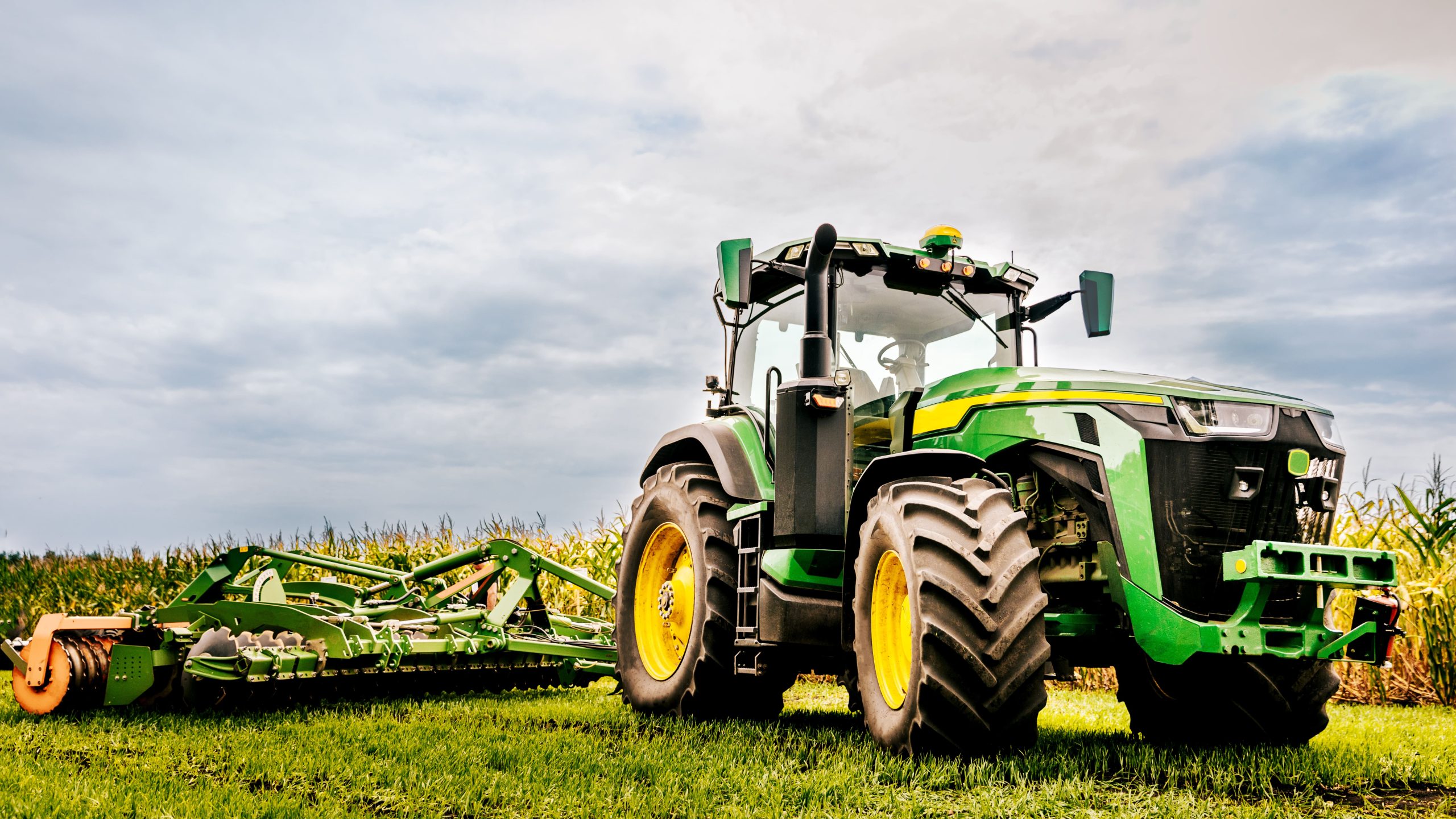
The Canada agricultural equipment market is entering a new phase of modernization as farms scale operations, adopt digital technologies, and respond to sustainability mandates. As of 2026, Canada remains one of the world’s largest agricultural producers, supported by vast arable land across provinces such as Saskatchewan, Alberta, and Manitoba. However, the sector faces mounting pressures including labor shortages, climate variability, and rising input costs. These factors are accelerating the shift toward high-efficiency, technology-enabled farm machinery. While Canada has domestic manufacturing capabilities, a substantial share of advanced tractors, combines, and precision systems continue to be imported from global OEMs. Over the next decade, the market is expected to be shaped by automation, data-driven farming, and equipment replacement cycles, positioning Canada as a leader in smart agriculture adoption through 2035.
What’s Driving the Agricultural Equipment Market in Canada?
Rising Adoption of Precision Agriculture Technologies
Canadian farmers are increasingly integrating GPS-guided tractors, variable rate technology (VRT), and AI-enabled farm management systems to improve yield and optimize input usage. Precision agriculture helps reduce fertilizer and pesticide wastage while enhancing crop productivity. Large-scale grain farms, particularly in the Prairie provinces, are investing in autonomous and semi-autonomous machinery to address labor shortages and improve operational efficiency. Equipment embedded with telematics and remote monitoring systems is becoming standard rather than optional, boosting demand for high-tech machinery upgrades.
Farm Consolidation and Mechanization Trends
Over the past decade, Canada has witnessed gradual farm consolidation, with mid- to large-scale farms expanding acreage. Larger farms require high-horsepower tractors, advanced combine harvesters, and efficient seeding equipment to manage extensive operations. This structural shift is driving replacement demand for aging fleets and encouraging investment in multi-functional, fuel-efficient equipment. Mechanization is no longer limited to grain farming but is expanding across dairy, horticulture, and specialty crop segments.
Climate Resilience and Sustainable Practices
Climate variability, including unpredictable rainfall and shorter planting windows, is prompting farmers to adopt equipment that enhances speed and precision. Conservation tillage, zero-till farming, and sustainable land management practices require specialized machinery. Government-backed sustainability programs and carbon reduction targets are also encouraging adoption of energy-efficient and low-emission farm equipment, including electric and hybrid tractors in pilot stages.
Government Support and Policy Landscape
The Canadian government continues to promote innovation and sustainability in agriculture through funding programs and modernization grants. Initiatives under the Sustainable Canadian Agricultural Partnership (2023–2028) provide financial assistance for technology adoption, climate-smart farming practices, and productivity enhancement. Provincial programs further support capital investments in farm machinery through cost-sharing schemes. These measures are indirectly strengthening equipment demand, particularly among small and mid-sized farms seeking to upgrade to digital systems..
Market Competition and Key Players
The Canada agricultural equipment market is moderately concentrated, with global manufacturers dominating sales and distribution networks. Key players include John Deere, CNH Industrial (parent company of New Holland and Case IH), AGCO Corporation (owner of Massey Ferguson and Fendt), and Kubota Corporation. John Deere continues to expand its precision agriculture portfolio, integrating AI-based analytics and autonomous solutions into its tractors and harvesters. CNH Industrial is strengthening its smart farming ecosystem through connected platforms and data-driven agronomic tools. Meanwhile, AGCO Corporation is focusing on high-efficiency machinery tailored to large grain operations in Western Canada. Kubota Corporation maintains a strong presence in the compact and utility tractor segment, particularly among smaller farms and landscaping applications.
High Equipment Costs and Financing Constraints
High equipment costs remain a major challenge in Brazil’s harvesting equipment market, particularly for small- and medium-scale farmers. Modern combine harvesters and precision-enabled machinery require substantial upfront investment, often influenced by currency fluctuations and imported component pricing. Elevated interest rates and volatility in soybean and corn prices further impact farmers’ purchasing capacity, leading to delayed capital expenditure decisions during weaker commodity cycles. Although banks and equipment manufacturers are expanding financing, leasing, and installment-based models, affordability constraints continue to limit faster fleet modernization across segments.
Future Outlook
The Canada agricultural equipment market is projected to witness steady growth through 2035, driven by digital transformation and sustainability priorities. By 2035, a significant share of new equipment sales is expected to include autonomous capabilities, real-time field analytics, and carbon footprint monitoring systems. Electrification in compact tractors and alternative fuel-powered machinery may gradually expand, particularly in horticulture and municipal applications. Replacement demand will remain a core growth driver as older fleets are phased out in favor of fuel-efficient, connected machines. Furthermore, Canada’s strong agricultural export base and focus on food security will sustain mechanization investments.
Consultants at Nexdigm, in their latest publication “Canada Agricultural Equipment Market Outlook to 2035,” analyzed the market by Equipment Type (Tractors, Harvesters, Planting & Seeding Equipment, Sprayers), By Horsepower (Below 50 HP, 50–150 HP, Above 150 HP), By Application (Grain & Oilseeds, Dairy & Livestock, Horticulture, Others), and By Sales Channel (Authorized Dealers, Direct Sales, Online Platforms). Nexdigm believes that businesses should prioritize precision-enabled machinery, flexible financing models, and strong dealer networks while leveraging data-driven services as a long-term differentiator in Canada’s evolving agricultural landscape.
To take the next step, simply visit our Request a Consultation page and share your requirements with us.
Harsh Mittal
+91-8422857704