
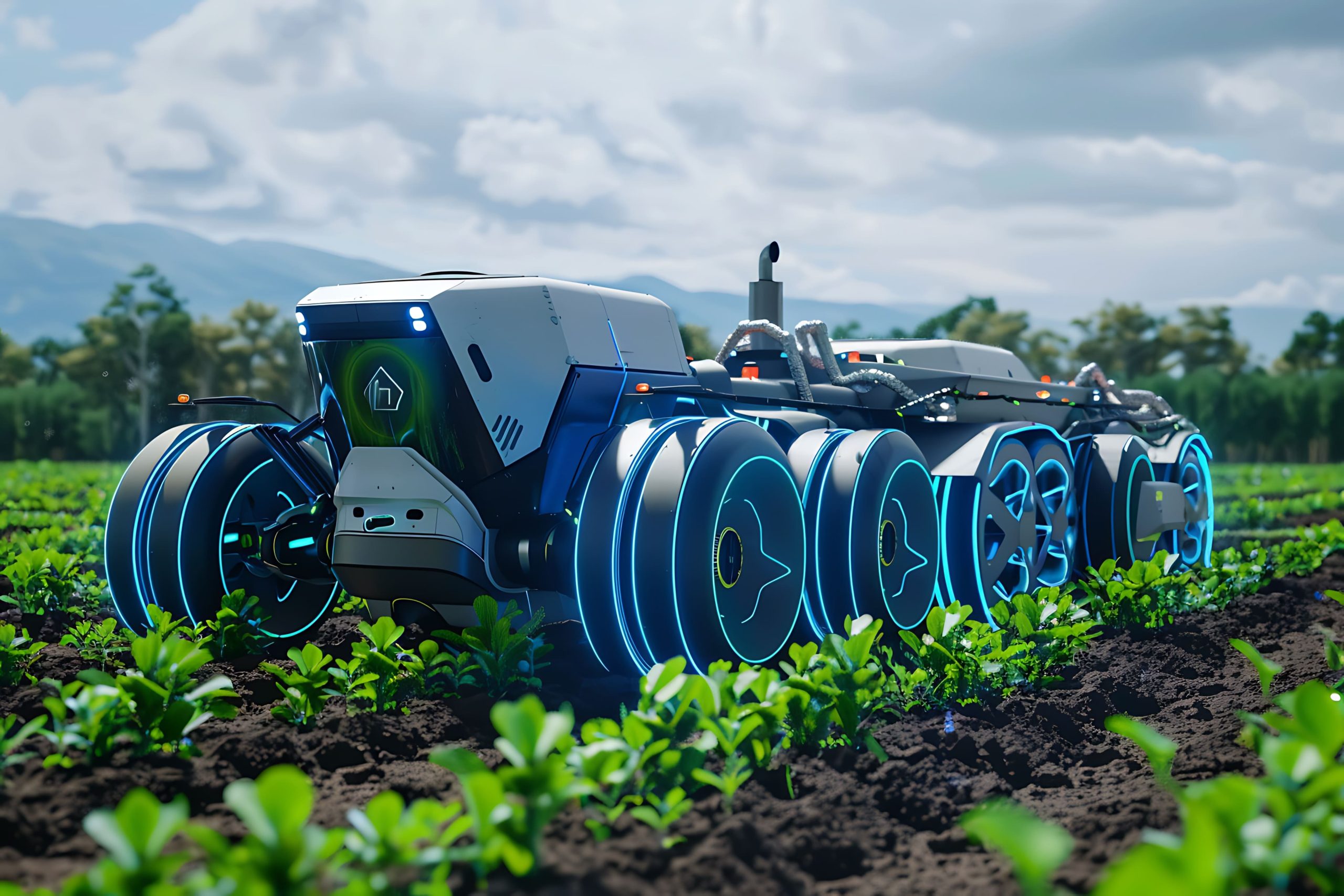
Canada’s agricultural sector is experiencing a structural shift toward data-driven and technology-enabled farming practices. As one of the world’s leading producers of wheat, canola, and pulses, the country is increasingly investing in precision agriculture to improve productivity, optimize input usage, and address labor shortages. By 2026, a significant share of large-scale farms across provinces such as Saskatchewan, Alberta, and Manitoba have adopted GPS-guided machinery and variable rate technologies. The Canada agricultural precision equipment market is expanding steadily, supported by rising farm consolidation, sustainability goals, and growing integration of artificial intelligence (AI) and IoT-based farm management systems. As climate variability intensifies and cost pressures rise, precision equipment is becoming less of a luxury and more of an operational necessity.
What’s Driving the Agricultural Precision Equipment Market in Canada?
Rising Adoption of Smart Farming Technologies
Canadian farmers are increasingly leveraging GPS-guided tractors, auto-steering systems, yield monitors, and drone-based crop scouting to enhance field-level decision-making. Precision planting and variable rate application technologies allow farmers to optimize the use of seeds, fertilizers, and crop protection chemicals, reducing wastage and improving margins. In large grain-producing regions, the adoption of telematics and cloud-based farm management software has enabled real-time monitoring of machinery performance and crop health. As input costs continue to rise in 2026, farmers are prioritizing technologies that deliver measurable return on investment through yield optimization and cost efficiency.
Farm Consolidation and Labor Shortages
The average farm size in Canada has steadily increased over the past decade, particularly in Prairie provinces. Larger farms require efficient machinery capable of covering vast acreages within short planting and harvesting windows. At the same time, persistent labor shortages in rural areas are encouraging automation. Autonomous and semi-autonomous tractors, robotic sprayers, and advanced guidance systems help reduce dependency on manual labor. Precision equipment not only improves operational efficiency but also enhances accuracy in seeding and spraying operations, which is critical in large-scale grain production.
Sustainability and Environmental Compliance
Sustainability is emerging as a major growth driver. Precision agriculture supports environmentally responsible farming by minimizing over-application of fertilizers and pesticides. With increasing regulatory scrutiny on greenhouse gas emissions and nutrient runoff, farmers are adopting site-specific nutrient management tools. Technologies such as soil sensors and satellite imagery enable data-driven decisions that align with federal and provincial sustainability targets. As carbon reporting frameworks evolve, precision tools are expected to play a key role in measuring and reducing farm-level emissions.
Government-Led Initiatives Supporting Precision Farming
The Canadian government, along with provincial authorities, continues to promote agri-tech adoption through funding programs and innovation grants. Initiatives under the Sustainable Canadian Agricultural Partnership (Sustainable CAP) provide financial support for technology upgrades and digital farm solutions. Several provinces offer cost-sharing programs that subsidize investments in precision equipment and advanced irrigation systems. Additionally, investments in rural broadband connectivity are enhancing digital infrastructure, enabling seamless integration of cloud-based precision farming platforms across remote agricultural regions.
Market Competition and Key Players
The Canada agricultural precision equipment market is moderately consolidated, with global OEMs and agri-tech firms competing alongside domestic technology providers. Leading players include Deere & Company, CNH Industrial, and AGCO Corporation, which offer advanced GPS-enabled tractors, combines, and precision planting systems. Technology-focused companies such as Trimble Inc. and Topcon Positioning Systems provide guidance, steering, and data analytics solutions integrated into farm machinery. Strategic partnerships between machinery manufacturers and software providers are shaping the competitive landscape. OEMs are increasingly embedding AI-powered analytics, predictive maintenance tools, and cloud connectivity into their equipment offerings. Over time, bundled service models—including subscription-based data platforms—are expected to become a key differentiator.
High Capital Costs and Adoption Barriers
Despite strong growth prospects, high upfront costs remain a significant barrier, particularly for small and mid-sized farms. Advanced precision systems require substantial investment in hardware, software, and training. Data management complexity and interoperability issues between different brands of equipment can also limit seamless adoption. Moreover, concerns around data ownership and cybersecurity are gradually emerging as farms become more digitally connected. Addressing these challenges through financing options, equipment leasing, and standardized platforms will be crucial for broader market penetration.
Future Outlook
The Canada agricultural precision equipment market is projected to witness sustained expansion through 2035, driven by automation, sustainability mandates, and the increasing digitization of farm operations. By 2035, precision guidance systems and variable rate technologies are expected to become standard features in a majority of large-scale grain farms. Autonomous field machinery and AI-powered decision-support platforms will likely see accelerated deployment, particularly in Western Canada. As climate risks intensify, precision irrigation, predictive analytics, and satellite-based crop monitoring will play a central role in enhancing resilience and productivity. The market is also anticipated to benefit from advancements in robotics and machine learning, enabling real-time agronomic insights and improved resource management.
Consultants at Nexdigm, in their latest publication “Canada Agricultural Precision Equipment Market Outlook to 2035,” analyzed the market by Equipment Type (Guidance Systems, Variable Rate Technology, Remote Sensing, Precision Irrigation, Farm Management Software), By Application (Yield Monitoring, Field Mapping, Crop Scouting, Irrigation Management), and By Farm Size (Small, Medium, Large Farms). Nexdigm believes that businesses should prioritize interoperable platforms, flexible financing models, and integrated data analytics solutions while leveraging sustainability-linked incentives as key growth levers in Canada’s evolving precision agriculture ecosystem.
To take the next step, simply visit our Request a Consultation page and share your requirements with us.
Harsh Mittal
+91-8422857704