
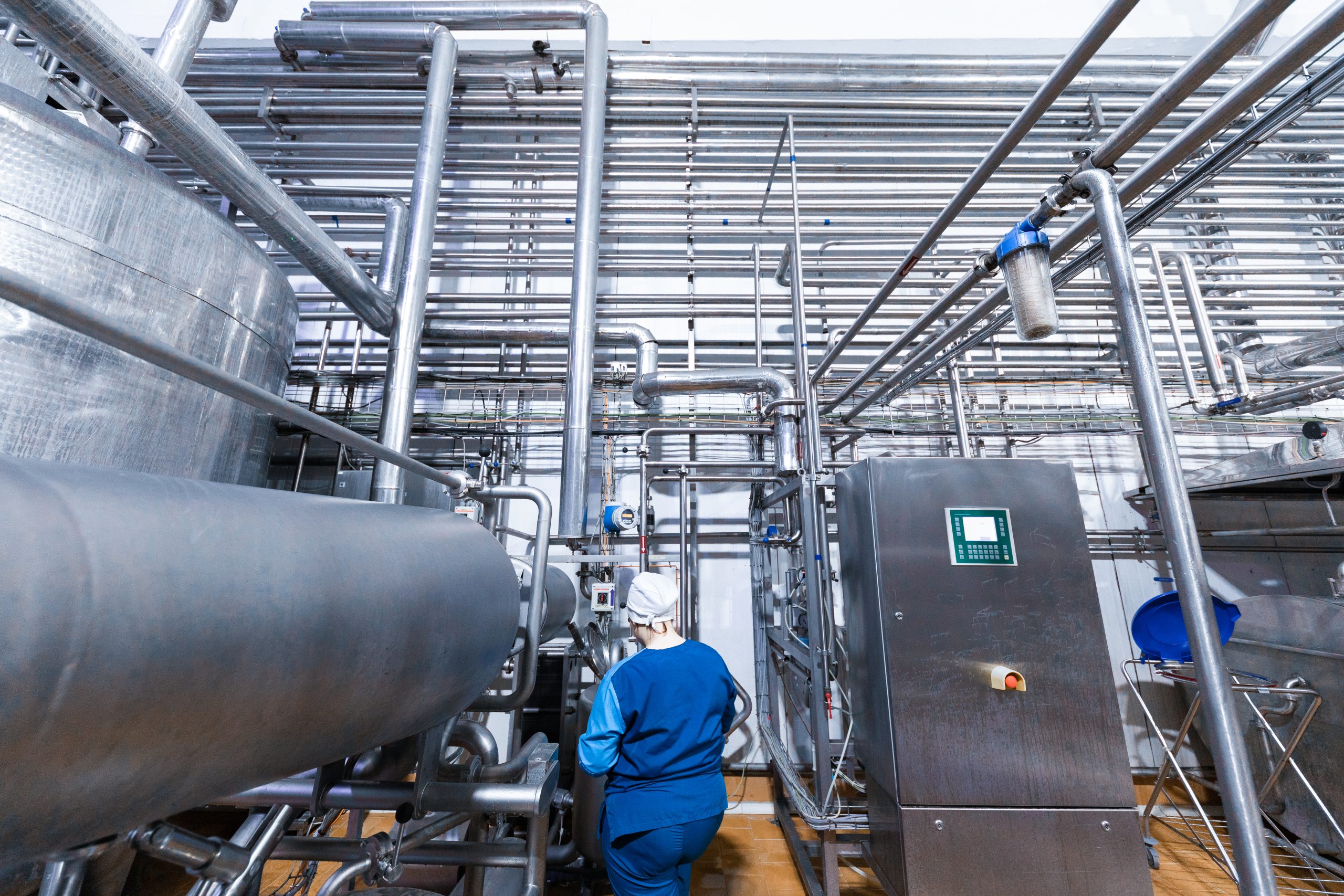
Canada’s industrial landscape is undergoing significant transformation, and air separation units (ASUs) are becoming an essential part of this journey. ASUs produce industrial gases such as oxygen, nitrogen, and argon that are widely used in steel manufacturing, healthcare, energy, chemicals, electronics, and emerging hydrogen projects. As industries focus on efficiency, sustainability, and advanced manufacturing, demand for reliable gas supply infrastructure continues to rise. With Canada’s strong industrial base, growing clean energy investments, and expanding healthcare requirements, the air separation unit industry is positioned as a critical enabler of economic and technological development across the country.
Market Drivers Advancing the Canada Air Separation Unit Industry
Expanding Industrial Manufacturing and Metals Production
Canada remains one of the world’s leading producers of minerals and metals, creating consistent demand for oxygen and nitrogen. Industrial gases are essential for metal fabrication, welding, cutting, and refining operations. The country’s mining sector contributes over CAD 100 billion to the economy annually, supporting extensive gas consumption across extraction and processing facilities. As manufacturers modernize operations and adopt automation technologies, demand for high-purity industrial gases supplied by ASUs continues to increase. Nitrogen is particularly important for food processing, packaging, and electronics applications, while oxygen supports large-scale industrial combustion processes.
Rising Investments in Low-Carbon Hydrogen Projects
Hydrogen development is emerging as a major opportunity for Canada’s ASU sector. Large-scale hydrogen production facilities frequently require substantial oxygen supplies to improve efficiency and reduce emissions. Canada’s Hydrogen Strategy envisions significant hydrogen deployment across transportation, industry, and power generation. Several provinces, including Alberta and British Columbia, have announced hydrogen production and export initiatives. As new hydrogen hubs and carbon capture facilities are established, demand for air separation technologies is expected to strengthen considerably.
Healthcare and Medical Oxygen Demand Supporting Market Expansion
The healthcare sector remains another important contributor to ASU demand. Canada operates thousands of healthcare facilities that depend on medical-grade oxygen for patient care and emergency services. Growing healthcare infrastructure investments, an aging population, and increasing focus on preparedness for public health emergencies have encouraged hospitals and gas suppliers to enhance medical oxygen capabilities. This trend supports the need for efficient, reliable, and technologically advanced air separation systems across the country.
Government Initiatives Supporting the Canada Air Separation Unit Industry
Federal and provincial governments continue to promote industrial decarbonization, clean technology adoption, and hydrogen development. Programs supporting carbon reduction, clean fuel production, and advanced manufacturing indirectly benefit the ASU industry by encouraging investment in facilities requiring industrial gases. Funding initiatives, tax incentives for clean technologies, and support for carbon capture and hydrogen projects are creating favorable conditions for long-term ASU deployment throughout Canada.
Competitive Landscape of Canada Air Separation Unit Industry
The Canadian market features a mix of global industrial gas leaders and specialized engineering companies. Major participants include Air Liquide, Linde, Air Products, and Messer, which operate extensive gas production and distribution networks across North America. Competition centers on operational efficiency, energy consumption optimization, reliability, and the ability to support emerging sectors such as hydrogen, carbon capture, and advanced manufacturing. Strategic partnerships and capacity expansions remain common growth strategies.
Challenges Facing the Canada Air Separation Unit Industry
High Capital and Energy Requirements
Building and operating an air separation unit requires substantial investment. Large-scale facilities involve significant expenditures on equipment, infrastructure, and maintenance. Additionally, ASUs consume considerable amounts of electricity, making energy prices an important factor affecting profitability and operational planning.
Supply Chain and Project Execution Risks
Industrial projects often face challenges related to equipment procurement, workforce availability, and construction timelines. Delays in major manufacturing, mining, or energy projects can impact demand planning and investment decisions for ASU operators, creating uncertainty in short-term market development.
Future Outlook
The future of Canada’s air separation unit industry appears promising as industrial modernization, hydrogen production, healthcare expansion, and sustainability initiatives continue to gain momentum. Growing investments in low-carbon technologies and advanced manufacturing facilities are expected to create new opportunities for oxygen, nitrogen, and argon production. Companies that focus on energy-efficient operations, technological innovation, and integration with clean energy ecosystems will be well-positioned to capitalize on emerging demand. As Canada advances its industrial and environmental objectives, air separation units will remain a vital component of the country’s evolving economic infrastructure.
Consultants at Nexdigm, in their latest publication “Canada Air Separation Unit Market Outlook to 2035” analyze the sector By Industrial End-User Sector (Metallurgy and Mining and Oil Stands Processing), By Ownership Model (On-Site Merchant Supply, Pipeline Distribution Gas and Direct Plant Ownership) and Gas Purity Grade (Industrial Grade, High Purity and Ultra-High Purity).
Nexdigm suggests that businesses in “Canada Air Separation Unit Industry” focusses on oilfield, desalination, construction, and industrial applications, strengthen local warehousing, develop application-specific grades, improve technical support, and build resilient sourcing networks to serve expanding energy, water, and manufacturing demand.
To take the next step, simply visit our Request a Consultation page and share your requirements with us.
Harsh Mittal
+91-8422857704