
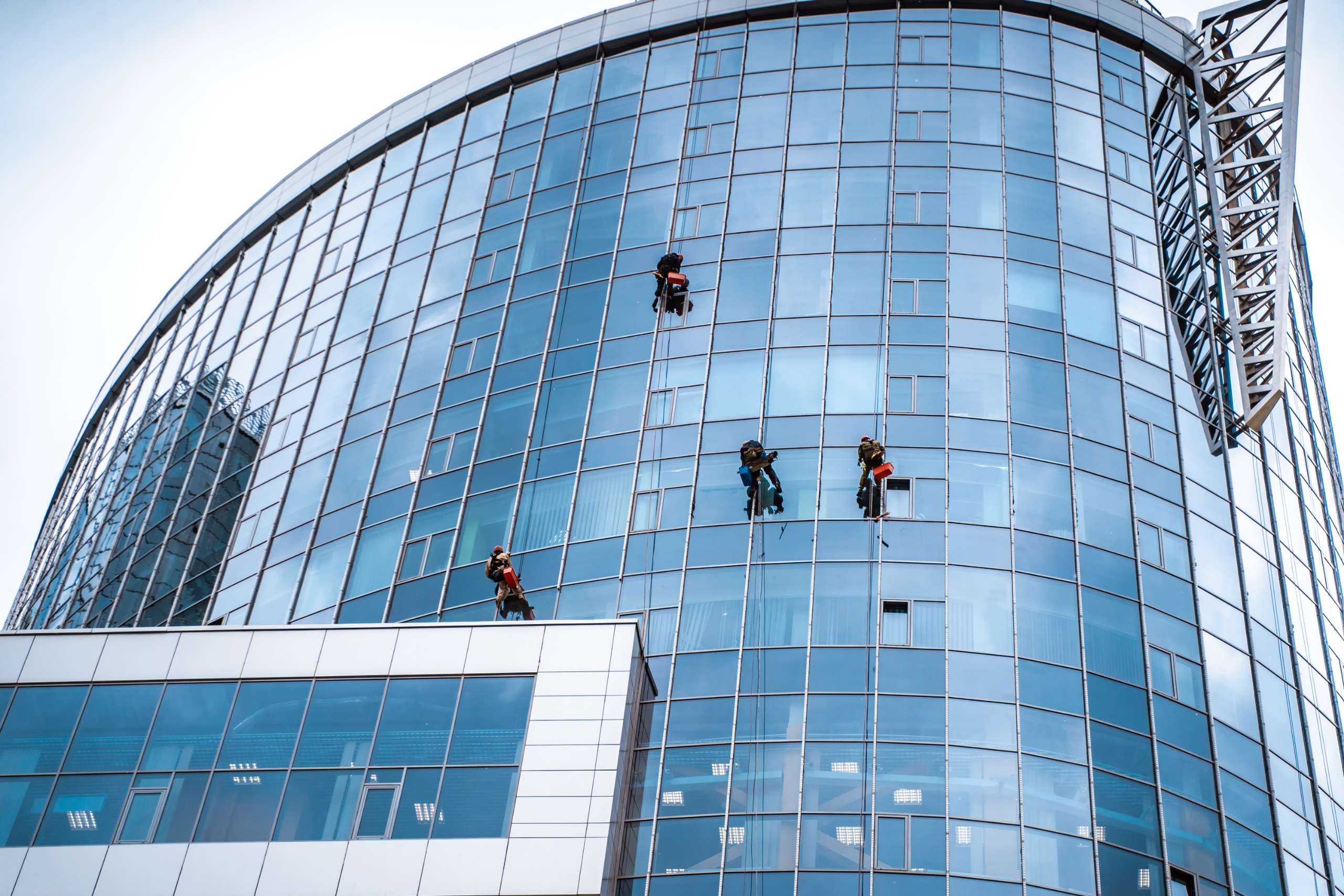
Canada’s architectural and construction glass market is experiencing steady expansion, supported by strong construction activity, sustainability initiatives, and growing demand for energy-efficient buildings. In 2024, Canada issued building permits valued at more than CAD 145 billion, reflecting continued investments across residential, commercial, and institutional developments. The sector is further supported by Canada’s commitment to net-zero emissions, with buildings accounting for approximately 18% of the country’s direct greenhouse gas emissions, driving adoption of advanced glazing solutions. As urban redevelopment, high-rise construction, and infrastructure modernization accelerate, demand for Low-E glass, insulated glazing units, and high-performance façade systems is increasing, positioning architectural glass as a critical component of Canada’s evolving built environment.
Key Market Drivers for Canada’s Architectural and Construction Glass Industry
Green Building Transition Accelerates Demand for Energy-Efficient Glass
Canada’s commitment to reducing building-related emissions is significantly supporting the adoption of advanced architectural glass solutions. Buildings account for approximately 18% of Canada’s direct greenhouse gas emissions, prompting developers to incorporate high-performance materials that improve thermal efficiency and lower operational costs. As provinces increasingly adopt stricter energy-efficiency regulations and net-zero construction standards, demand is growing for Low-E glass, triple-glazed windows, insulated glazing units, and solar-control glass across commercial, institutional, and residential projects. These solutions help improve energy performance while enhancing natural daylight and indoor comfort.
Strong Residential and Commercial Construction Activity Supports Market Growth
Canada continues to witness substantial investment in residential housing, office developments, healthcare facilities, and mixed-use projects. Building permits surpassed CAD 145 billion in 2024, highlighting the scale of ongoing construction activity nationwide. Major metropolitan areas such as Toronto, Vancouver, Montréal, Calgary, and Ottawa continue to add new high-rise residential and commercial developments that increasingly feature modern glass façades, curtain wall systems, skylights, and energy-efficient glazing technologies. This sustained construction momentum is generating significant opportunities for architectural glass manufacturers and processors.
Infrastructure Modernization and Public Sector Investments Create Additional Opportunities
Federal and provincial governments continue to invest in transportation networks, healthcare facilities, public buildings, and educational infrastructure. Canada’s long-term infrastructure programs are supporting modernization projects across airports, transit stations, hospitals, and institutional buildings, many of which utilize advanced glazing systems to improve daylight penetration, energy efficiency, and overall building aesthetics. Growing public sector investment is creating consistent demand for architectural glass products that meet stringent performance and sustainability requirements.
Government Support Through Sustainable Building Policies and Infrastructure Investments
Canada’s architectural and construction glass industry benefits from strong policy support aimed at improving building efficiency and reducing carbon emissions. The Canadian government’s Canada Green Buildings Strategy and net-zero emissions objectives are accelerating investments in energy-efficient building envelopes, retrofitting programs, and sustainable infrastructure. Meanwhile, Canada issued over CAD 145 billion in building permits in 2024, reflecting robust construction activity across residential, commercial, and institutional sectors. Public investment in transit networks, healthcare facilities, educational buildings, and community infrastructure continues to support demand for high-performance glazing solutions that enhance energy efficiency, thermal performance, and environmental compliance.
Competitive Landscape Driven by Innovation, Sustainability, and Advanced Glazing Technologies
Canada’s architectural and construction glass market is characterized by a mix of domestic fabricators, specialized processors, distributors, and international suppliers competing across residential, commercial, and institutional projects. Competition is increasingly focused on energy efficiency, value-added processing, customization capabilities, and compliance with evolving building standards. Supported by CAD 145 billion in building permits issued during 2024 and rising adoption of net-zero building practices, demand is growing for Low-E glass, triple-glazed units, vacuum-insulated glass, and smart glazing systems. Market participants are investing in advanced fabrication technologies and sustainable product innovations to strengthen their position in Canada’s expanding green-building ecosystem.
Market Challenges Facing Canada’s Architectural and Construction Glass Industry
Raw Material Cost Volatility and Supply Chain Pressures
Manufacturers continue to face challenges related to fluctuating raw material prices, transportation costs, and global supply chain disruptions. Dependence on imported specialty glass products, coatings, and façade components can influence project costs and delivery schedules, particularly for large-scale commercial and institutional developments.
Increasing Energy Performance and Regulatory Requirements
Developers and building owners are demanding higher thermal performance, enhanced insulation, and improved environmental compliance from glazing systems. Meeting evolving building-code requirements often requires continuous investment in advanced processing technologies, testing capabilities, certifications, and product innovation, increasing operating costs for industry participants.
Future Outlook
Canada’s architectural and construction glass market is expected to benefit from continued urbanization, large-scale infrastructure investments, green-building adoption, and rising renovation activity across aging building stock. Future demand is likely to be concentrated on Low-E glass, vacuum-insulated glazing, smart glass technologies, and high-performance façade systems that support energy-efficiency objectives. As governments, developers, and building owners increasingly prioritize decarbonization and sustainable construction, companies that invest in innovation, advanced manufacturing capabilities, and environmentally responsible product portfolios will be well-positioned to capitalize on emerging opportunities across Canada’s evolving built environment.
Consultants at Nexdigm, in their latest publication “Canada Architectural and Construction Glass Market Outlook to 2035,” analyse the sector By Glazing Technology (Double-Pane Argon Filled, Triple Pane Krypton Filled and Vacuum Insulated Glass), By Building Application (Commercial Office Projects and Multi-Unit Residential Developments) and By Project Funding Source (Government Public Infrastructure, Private Real Estate Development and Public-Private Partnership Projects).
Nexdigm suggests that businesses in Canada’s Architectural and Construction Glass Industry focus on energy-efficient glazing innovations, sustainable product development, advanced fabrication capabilities, and strategic construction partnerships to benefit from growing green-building investments and infrastructure modernization initiatives.
To take the next step, simply visit our Request a Consultation page and share your requirements with us.
Harsh Mittal
+91-8422857704