
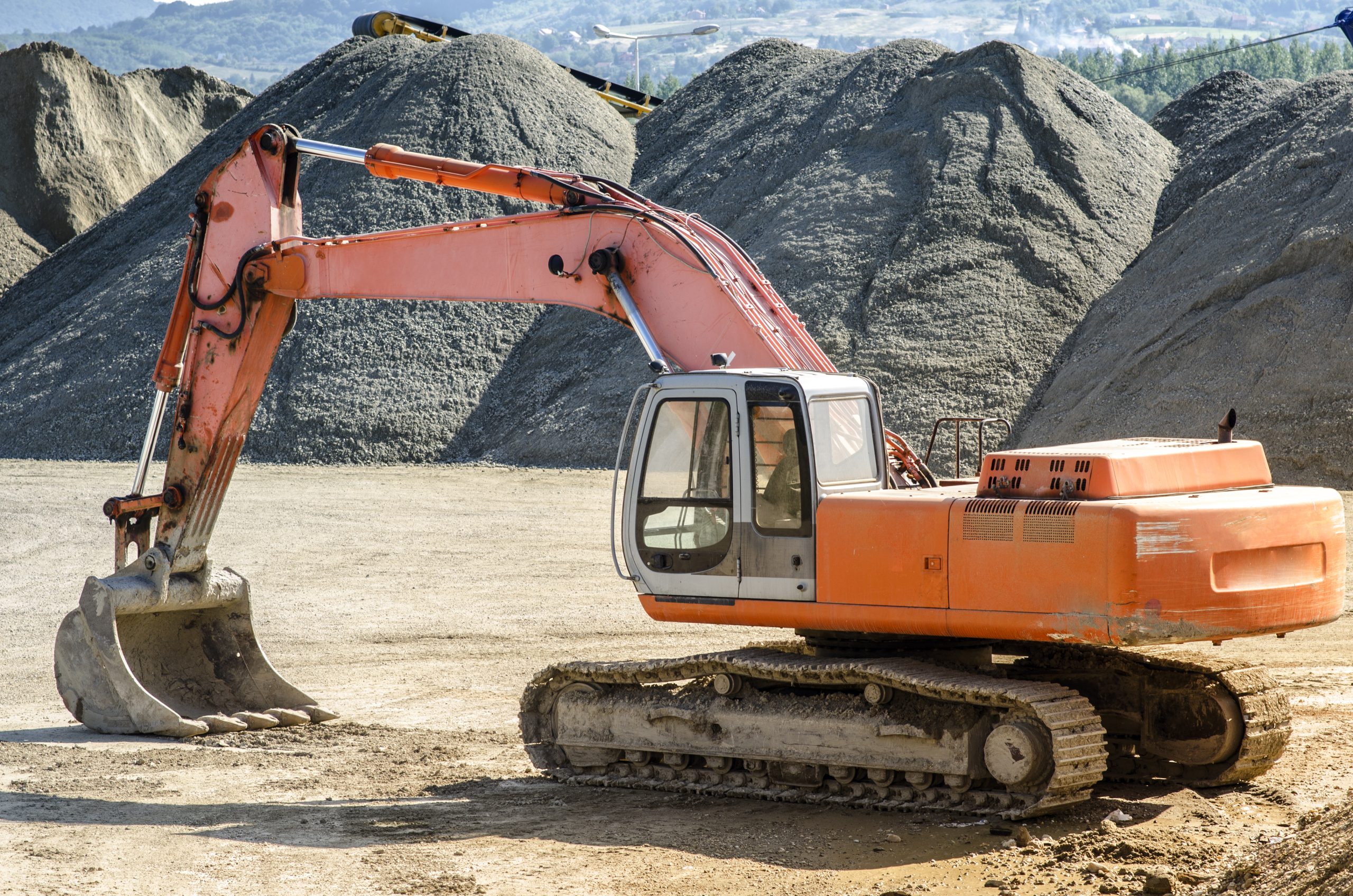
The Canada construction equipment industry is closely tied to the country’s ongoing infrastructure modernization, urban development, and resource-sector expansion. Construction contributes approximately 7.5% of Canada’s GDP and supports more than 1.6 million jobs, highlighting its importance to the national economy. From large transportation projects to residential communities and mining operations, contractors increasingly rely on advanced machinery to improve productivity and meet project timelines. As investment flows into public and private construction activities, demand for modern construction equipment continues to gain momentum across Canada.
Market Drivers Advancing the Canada Construction Equipment Indutry
Canada’s Massive Infrastructure Pipeline Creating Equipment Demand
Infrastructure remains one of the strongest growth engines for the Canada construction equipment market. The Government of Canada has committed more than CAD 180 billion toward transportation, transit, housing, green infrastructure, and community development projects through its long-term infrastructure plans. More than 123,000 projects have received support, creating sustained demand for earthmoving, excavation, lifting, and road-building equipment. For contractors, these projects represent more than construction opportunities. They create a continuous need for reliable machinery capable of handling large-scale and often complex work across diverse geographic regions.
Rising Construction Activity Across Canada’s Residential and Commercial Sectors
Canada’s growing population and urban centers continue to drive construction activity. Total investment in building construction recently exceeded CAD 23 billion monthly, while annual non-residential construction capital expenditures surpassed CAD 274 billion. New housing developments, industrial facilities, warehouses, healthcare centers, and commercial projects require a broad range of construction equipment. As developers work to meet housing demand and businesses expand their operational footprints, equipment utilization rates remain strong across both owned and rental fleets.
Smart and Sustainable Equipment Transforming Canadian Job Sites
Construction companies today are looking for more than just powerful machines. They want equipment that improves efficiency, lowers fuel consumption, and provides real-time operational insights. As a result, manufacturers are introducing telematics-enabled equipment, GPS-guided machinery, automation technologies, and electric or hybrid-powered models. At the same time, the adoption of digital construction tools and Building Information Modeling (BIM) is encouraging contractors to modernize their fleets and embrace data-driven project management.
Government Initiatives Supporting the Canada Construction Equipment Industry
The Government of Canada continues to play a significant role in market development through infrastructure-focused funding programs. Through the Investing in Canada Plan, more than CAD 180 billion has been allocated to projects that improve transportation networks, social infrastructure, housing, and environmental sustainability. Additionally, the Investing in Canada Infrastructure Program delivers over CAD 33 billion through partnerships with provinces and territories, supporting projects that generate long-term demand for construction machinery and equipment services across the country.
Competitive Landscape of the Canada Construction Equipment Sector
The Canadian market features a mix of established global manufacturers and strong regional dealer networks. Leading companies include Caterpillar, Komatsu, Volvo Construction Equipment, Hitachi Construction Machinery, John Deere, Liebherr, and CNH Industrial. These companies compete by offering technologically advanced equipment, equipment-financing solutions, rental services, and after-sales support. Innovation is becoming a key differentiator, particularly as customers increasingly prioritize fuel efficiency, lower emissions, fleet connectivity, and machine intelligence when making purchasing decisions.
Challenges Impacting the Canada Construction Equipment Industry
Skilled Workforce Gaps Affecting Equipment Utilization
Although construction activity remains healthy, finding skilled operators, technicians, and maintenance professionals continues to be a challenge. Canada’s construction workforce exceeds 1.6 million workers, yet many companies still face recruitment pressures as experienced workers retire, and specialized skills remain in high demand.
High Equipment Costs and Economic Uncertainty
Modern construction machinery offers substantial productivity advantages, but it also comes with significant acquisition and maintenance costs. Smaller contractors may find it difficult to invest in advanced fleets, particularly during periods of fluctuating material costs, financing expenses, and economic uncertainty. These factors can influence purchasing decisions and encourage greater reliance on rental solutions.
Future Outlook
The future of the Canada construction equipment market looks promising as the country continues investing in infrastructure, housing, transportation, and industrial development. Beyond project volume, the industry is also evolving technologically. Contractors are increasingly adopting connected, automated, and low-emission machinery to improve performance while meeting sustainability goals. With strong government backing, a growing pipeline of infrastructure projects, and rising interest in smart construction practices, Canada is expected to remain an attractive market for equipment manufacturers, rental providers, and technology innovators. The industry’s next phase of growth will be defined not only by the number of projects built, but also by how efficiently and sustainably they are delivered.
Consultants at Nexdigm, in their latest publication “Canada Construction Equipment Market Outlook to 2035” analyze the sector By Equipment Category (Crawler Excavators, Wheeled Excavators and Backhoe Loaders), By Application Sector (Infrastructure Development, Commercial Building Construction and Municipal Utility Maintenance) and By Power Source (Diesel Combustion, Battery Electric and Hybrid-Electric).
Nexdigm suggests that businesses in “ Canada Construction Equipment Industry” focusses on oilfield, desalination, construction, and industrial applications, strengthen local warehousing, develop application-specific grades, improve technical support, and build resilient sourcing networks to serve expanding energy, water, and manufacturing demand.
To take the next step, simply visit our Request a Consultation page and share your requirements with us.
Harsh Mittal
+91-8422857704