
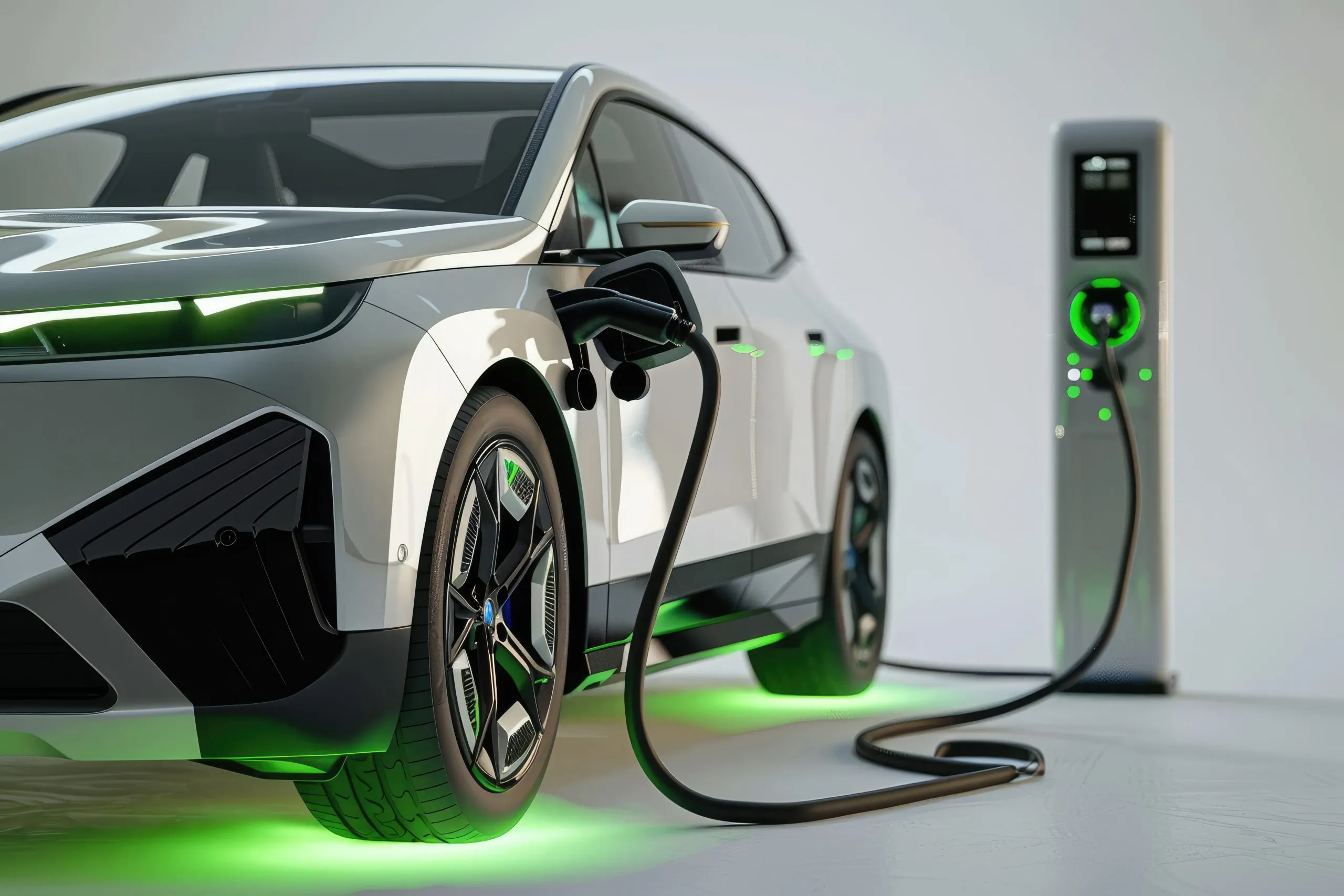
Canada’s electric vehicle (EV) market has moved well beyond the early adopter phase and is now entering a more decisive stretch. The federal mandate to phase out new internal combustion engine vehicle sales by 2035 has set a clear direction, but what is happening on the ground tells a more nuanced story. By 2025, EVs accounted for close to one-fifth of new car sales, with provinces like Quebec and British Columbia leading the charge thanks to stronger incentives and better charging access. Yet, outside these regions, adoption still feels uneven. The shift is underway, but it is not unfolding at the same pace everywhere.
What’s Driving the Electric Vehicle Market in Canada?
Policy Mandates and Financial Incentives
The push from policymakers has been hard to ignore. Canada’s zero-emission vehicle targets are not just aspirational; they come with timelines that automakers must take seriously. Federal rebates of up to CAD 5,000, combined with provincial incentives in certain regions, have made EVs far more attainable for middle-income buyers. In practice, these subsidies often tip the balance for consumers who are undecided between an EV and a gasoline vehicle. Still, incentives alone do not guarantee adoption. Buyers tend to weigh long-term reliability and resale value just as heavily.
Charging Infrastructure Expansion
One noticeable shift over the past few years has been the visibility of charging stations. Highways connecting major cities now feature fast chargers at regular intervals, and urban centers are seeing installations in malls, offices, and even residential complexes. That said, availability can still be patchy once you leave metropolitan areas. A driver in downtown Toronto has a very different experience compared to someone in rural Manitoba. The infrastructure conversation is no longer about whether chargers exist, but whether they are reliable, fast, and conveniently located.
Cost Dynamics and Consumer Behavior
Fuel prices have played their part in nudging buyers toward electric options. When gasoline prices spike, interest in EVs tends to follow. Over time, many consumers have begun to recognize that lower maintenance and operating costs can offset the higher purchase price. Fleet operators, in particular, are doing the math more carefully now. Delivery companies and municipal fleets are gradually introducing electric vehicles, not just for sustainability goals but because the numbers are starting to make sense.
Government-Led Initiatives
Canada has taken a multi-layered approach rather than relying on a single policy lever. Beyond consumer rebates, there has been a strong push to build domestic manufacturing capabilities. Investments in battery plants in Ontario and Quebec, along with efforts to develop critical mineral supply chains, signal a longer-term ambition. The idea is not only to adopt electric mobility but also to participate in its production. On paper, this looks promising. In reality, timelines for mining projects and processing facilities often stretch longer than expected, which could slow down supply chain independence.
Market Competition
The competitive landscape has become more crowded and interesting. Tesla still holds a strong position, particularly in the premium segment, but traditional automakers are closing the gap. Companies like General Motors and Ford are rolling out electric trucks and SUVs that appeal to Canadian preferences, where larger vehicles dominate. Meanwhile, brands such as Hyundai and Volkswagen are focusing on affordability and range, trying to capture first-time EV buyers. What stands out is the diversity of offerings now available. A few years ago, choices were limited; today, consumers can pick from compact cars, crossovers, and even electric pickups.
Uneven Adoption Across Regions
A common challenge is the stark regional divide. Urban centers with strong policy support and infrastructure have embraced EVs far more quickly than rural or remote areas. Long distances, harsh winters, and limited charging options make ownership less practical outside major cities. Cold weather, in particular, affects battery performance and range, which raises concerns for drivers who rely on their vehicles for long commutes. Bridging this gap will require more than just adding chargers; it calls for solutions tailored to Canada’s geographic and climatic realities.
Future Outlook
Looking ahead, the trajectory appears steady, though not without bumps along the way. By 2030, EVs are likely to dominate new vehicle sales in leading provinces, with the rest of the country catching up gradually. Advances in battery technology, including improvements in energy density and charging speed, could address some of the current limitations. At the same time, the resale market for EVs will become an important factor, influencing affordability for a wider audience. There is also a growing role for electrification beyond passenger cars. Public transit systems, delivery fleets, and even heavy-duty vehicles are beginning to transition. This broader adoption could reshape how Canadians think about transportation altogether. Still, progress will depend on consistent policy support and realistic execution. Ambitious targets are one thing; making EVs practical for everyday use across the entire country is another.
Consultants at Nexdigm, in their latest publication “Canada Electric Vehicle Market Outlook to 2035,” analyze the market by Vehicle Type (Passenger Cars, Commercial Vehicles, Two-Wheelers), by Propulsion Type (Battery Electric Vehicles, Plug-in Hybrid Electric Vehicles, Hybrid Electric Vehicles), and by End User (Individual, Fleet Operators, Government). Nexdigm notes that companies should pay close attention to regional differences, invest in charging partnerships, and focus on practical affordability if they want to stay competitive in Canada’s evolving EV landscape.
To take the next step, simply visit our Request a Consultation page and share your requirements with us.
Harsh Mittal
+91-8422857704