
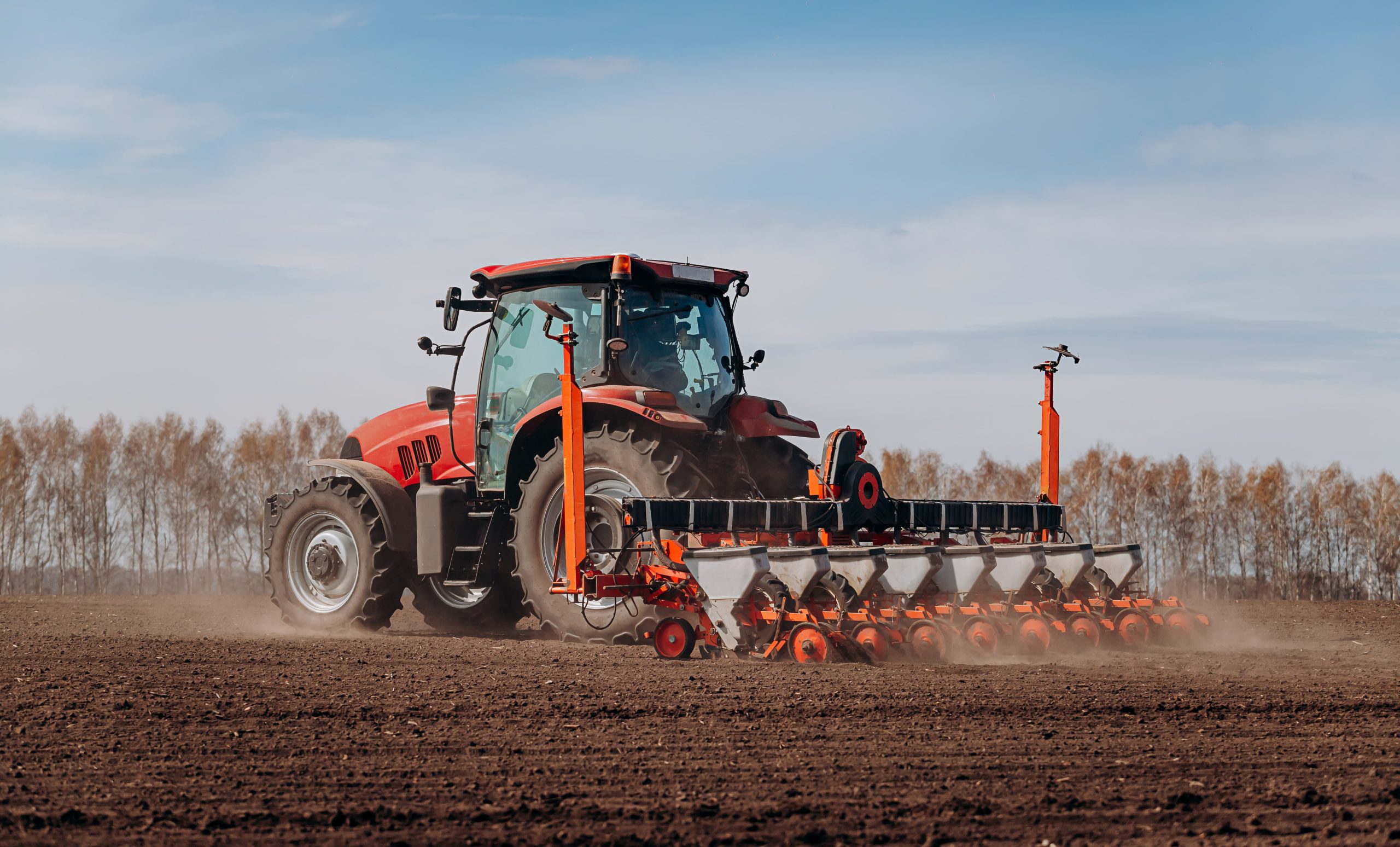
Canada’s agricultural machinery ecosystem is entering a new phase of technological and mechanical transformation as farms scale operations and adopt precision-driven practices. As of 2026, Canada remains one of the world’s largest exporters of wheat, canola, and pulses, supported by highly mechanized farming operations across provinces such as Saskatchewan, Alberta, and Manitoba. The country’s vast farm sizes and short planting and harvesting windows necessitate high-performance equipment with reliable powertrain and mechanical systems. Consequently, demand for robust engines, transmissions, axles, hydraulic systems, drivetrains, and related components is steadily rising. Increasing fleet replacement cycles, integration of smart farming technologies, and growing export of farm machinery are shaping the Canada farm equipment powertrain & mechanical components market outlook to 2035.
What’s Driving the Powertrain & Mechanical Components Market in Canada?
Expansion of Large-Scale Mechanized Farming
Canadian farms are among the largest in the world, particularly in the Prairie provinces. Large-acreage operations require high-horsepower tractors, combines, and sprayers capable of operating efficiently over extended hours. This drives consistent demand for heavy-duty engines, advanced transmissions, and durable driveline components. Manufacturers such as John Deere, CNH Industrial (parent company of New Holland and Case IH), and AGCO Corporation continue to upgrade their equipment portfolios in Canada with improved torque output, fuel efficiency, and electronically controlled powertrains to support large-scale grain and oilseed production.
Rising Adoption of Precision Agriculture Technologies
Precision agriculture is accelerating the integration of electronics with mechanical systems. GPS-guided tractors, autonomous steering systems, and variable rate technologies require highly responsive hydraulic and transmission systems. Modern continuously variable transmissions (CVTs) and electronically controlled drivetrains are gaining popularity as they enhance operational accuracy and reduce fuel consumption. As farms digitize operations, demand for advanced mechanical assemblies that can seamlessly integrate with onboard sensors and software platforms is increasing.
Fleet Modernization and Replacement Cycles
A significant portion of Canada’s farm machinery fleet purchased during the commodity boom years of the early 2010s is approaching replacement age. With newer emission standards and efficiency improvements, farmers are upgrading to machines equipped with cleaner diesel engines and advanced after-treatment systems. This replacement cycle supports OEM demand for next-generation powertrain systems while also creating opportunities in the aftermarket for remanufactured engines, gearboxes, and hydraulic pumps.
Government Policies and Sustainability Push
Canada’s commitment to reducing greenhouse gas emissions is influencing machinery design and component innovation. Federal and provincial programs promoting sustainable agriculture and carbon reduction are indirectly encouraging adoption of fuel-efficient and lower-emission engines. Research into alternative fuels, hybrid drivetrains, and electrification of certain farm equipment categories is gradually shaping the long-term component landscape. Additionally, trade agreements such as the United States-Mexico-Canada Agreement (USMCA) facilitate cross-border supply chains for agricultural equipment components. Canada’s strong integration with U.S. manufacturing hubs ensures steady import and export flows of engines, transmissions, and mechanical assemblies, strengthening domestic assembly and distribution networks.
Market Competition and Supply Chain Landscape
The Canada farm equipment powertrain & mechanical components market is moderately consolidated, with global OEMs and specialized component manufacturers playing dominant roles. In addition to equipment manufacturers, global engine and drivetrain suppliers such as Cummins Inc. and ZF Friedrichshafen AG support the agricultural machinery ecosystem through advanced diesel engines and transmission technologies. Domestic distributors and aftermarket service providers form a critical part of the value chain, especially in rural regions where equipment uptime is essential during narrow harvest windows. The aftermarket segment, including spare parts, remanufactured components, and repair services, is expected to expand steadily as farms prioritize lifecycle cost optimization.
High Equipment and Component Costs
Advanced powertrain systems equipped with electronic controls, precision hydraulics, and stringent emission-compliant engines substantially increase the upfront cost of modern farm machinery. For small and mid-sized farms, high capital expenditure often leads to delayed equipment replacement cycles, limiting short-term demand for new components. In addition, fluctuations in the Canadian dollar and reliance on imported sub-components such as semiconductors and specialized drivetrain parts create pricing volatility, further impacting procurement decisions and overall market affordability.
Future Outlook
Through 2035, the Canada farm equipment powertrain & mechanical components market is projected to witness steady growth driven by precision agriculture expansion, sustainability mandates, and fleet modernization. Increasing horsepower requirements for large-scale farms will sustain demand for heavy-duty engines and reinforced transmissions, while mid-horsepower segments may gradually adopt hybrid-assisted systems. Electrification in compact tractors and specialized equipment is expected to emerge in niche segments, although large high-horsepower machinery will continue relying predominantly on advanced diesel platforms in the medium term. By 2035, the market is likely to feature greater integration between mechanical systems and digital farm management platforms, enhancing efficiency, diagnostics, and predictive maintenance capabilities.
Consultants at Nexdigm, in their latest publication “Canada Farm Equipment Powertrain & Mechanical Components Market Outlook to 2035,” analyzed the industry by Component Type (Engines, Transmissions, Axles, Hydraulics, Drivetrain Systems), By Equipment Type (Tractors, Combine Harvesters, Sprayers, Seeders), and By Sales Channel (OEM, Aftermarket). Nexdigm believes that businesses should prioritize investment in fuel-efficient technologies, strengthen aftermarket service networks, and explore partnerships in hybrid and alternative fuel powertrain development to remain competitive in Canada’s evolving agricultural machinery ecosystem.
To take the next step, simply visit our Request a Consultation page and share your requirements with us.
Harsh Mittal
+91-8422857704