
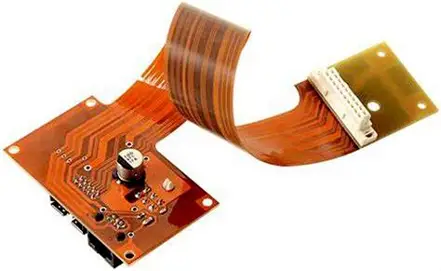
Canada’s flexible electronics and flexible circuits market is experiencing robust growth, supported by the country’s expanding electric vehicle ecosystem, advanced manufacturing capabilities, and growing adoption of connected technologies. Canada’s electronics manufacturing industry generates more than CAD 20 billion annually, while the country has secured over CAD 40 billion in announced investments across electric vehicle and battery supply chains in recent years. The nation is also home to a vehicle fleet exceeding 26 million registered vehicles, creating significant demand for automotive electronics and advanced sensing technologies. Flexible circuits are increasingly utilized in EV battery systems, aerospace components, wearable healthcare devices, industrial automation equipment, and smart consumer products due to their lightweight design, durability, and high-performance characteristics. As Canada continues investing in semiconductor innovation, artificial intelligence, clean technology, and advanced manufacturing, demand for next-generation flexible electronic solutions is expected to accelerate steadily through the forecast period.
Key Market Drivers for Canada’s Flexible Electronics and Flexible Circuits Industry
Expanding Electric Vehicle Manufacturing and Battery Supply Chain Investments
Canada is rapidly emerging as a strategic North American hub for electric vehicle and battery production, creating substantial opportunities for flexible electronics and flexible circuits. The country has attracted more than CAD 40 billion in announced investments across EV manufacturing, battery cell production, and critical minerals processing. Additionally, Canada has a vehicle fleet exceeding 26 million registered vehicles, supporting demand for advanced electronic systems and replacement components. Flexible circuits are increasingly integrated into battery-management systems, advanced driver-assistance systems (ADAS), digital instrument clusters, infotainment displays, and charging technologies. As EV production capacity continues to expand and automakers increase electronic content per vehicle, demand for high-performance flexible electronic solutions is expected to accelerate significantly.
Growing Adoption of Medical Devices and Digital Healthcare Technologies
Canada’s healthcare sector generates more than CAD 370 billion in annual expenditure, making it one of the country’s largest industries and a major consumer of advanced electronic technologies. Flexible electronics are increasingly utilized in wearable health monitors, biosensors, remote patient-monitoring systems, diagnostic patches, and smart medical devices. With approximately one in five Canadians aged 65 and above, the need for continuous healthcare monitoring and connected medical solutions continues to grow. The increasing adoption of telehealth services, digital diagnostics, and personalized healthcare technologies is driving demand for lightweight, flexible, and highly reliable electronic components across the medical technology ecosystem.
Rising Industrial Automation, Aerospace Innovation, and Smart Manufacturing Investments
Canada’s manufacturing sector contributes more than 10% of national GDP, while the aerospace industry generates approximately CAD 29 billion in annual economic activity. These sectors are increasingly adopting Industry 4.0 technologies, artificial intelligence, robotics, and IoT-enabled monitoring systems to improve productivity and operational efficiency. Flexible circuits and printed electronics are widely used in industrial sensors, automation equipment, avionics systems, satellite technologies, and predictive maintenance platforms. Furthermore, Canada’s growing investments in semiconductor research, smart factories, and advanced manufacturing facilities are creating new opportunities for flexible electronic solutions that offer improved durability, lightweight performance, and design flexibility across industrial and aerospace applications.
Government Support and Advanced Manufacturing Initiatives Strengthen Canada’s Flexible Electronics and Flexible Circuits Industry
Canada continues to support advanced electronics, semiconductor innovation, and clean technology development through programs such as the Strategic Innovation Fund (SIF) and investments linked to the national critical minerals and EV supply chain strategy. The government has committed billions of dollars toward semiconductor research, battery production, advanced manufacturing, and clean technology projects. In addition, support for artificial intelligence, Industry 4.0 adoption, and digital infrastructure development is encouraging innovation across electronics-intensive industries. These initiatives are creating favorable opportunities for flexible electronics manufacturers serving automotive, healthcare, aerospace, and industrial sectors.
Competitive Landscape of Canada’s Flexible Electronics and Flexible Circuits Industry Driven by Innovation and High-Value Manufacturing
Canada’s flexible electronics and flexible circuits market is characterized by advanced manufacturers, research-driven technology developers, engineering companies, and specialized component suppliers serving domestic and international markets. Competition is primarily based on innovation, product performance, customization expertise, quality certifications, and advanced material capabilities. With over CAD 20 billion in electronics manufacturing output, rising EV investments, and a globally recognized aerospace sector, market participants are increasingly investing in printed electronics, flexible sensors, miniaturized circuits, and next-generation wearable technologies. Growing demand for connected devices and intelligent systems continues to drive technological advancement across the industry.
Major Challenges Facing Indonesia’s Flexible Electronics and Flexible Circuits Industry
Dependence on Imported Semiconductor Components and Advanced Materials
The industry remains reliant on imported semiconductors, specialty substrates, conductive materials, and advanced manufacturing equipment. Global supply-chain disruptions, currency fluctuations, and logistics challenges can impact production costs and equipment availability, affecting manufacturers’ competitiveness.
Limited Domestic High-End Manufacturing Capabilities
Although Indonesia’s electronics sector is expanding rapidly, high-end flexible electronics production still requires significant investments in research, advanced fabrication technologies, and skilled talent development. Strengthening local innovation capabilities remains crucial for supporting long-term industry growth.
Future Outlook
Looking ahead, Canada’s flexible electronics and flexible circuits market is expected to witness strong and sustained growth, driven by rising electric vehicle production, healthcare technology advancements, aerospace innovation, and increasing industrial automation. The country has attracted more than CAD 40 billion in EV and battery supply chain investments, while annual healthcare expenditure exceeds CAD 370 billion, creating significant opportunities for flexible sensors, wearable medical devices, battery-management systems, and intelligent electronic components. Canada’s aerospace industry contributes approximately CAD 29 billion to the economy, further supporting demand for lightweight and high-performance flexible circuits. Additionally, growing adoption of Industry 4.0 technologies, artificial intelligence, and IoT-enabled manufacturing solutions is expected to accelerate the deployment of printed electronics and advanced sensor technologies. As organizations increasingly prioritize miniaturization, energy efficiency, and smart connectivity, companies investing in advanced materials, flexible displays, and next-generation electronic solutions will be well positioned to capitalize on Canada’s evolving technology ecosystem through 2035.
Consultants at Nexdigm, in their latest publication “ Canada Flexible Electronics and Flexible Circuits Market Outlook to 2035,” analyse the sector By Flexible Circuit Architecture (Adhesive-Based Polyimide Copper Laminates, Adhesiveless Copper-Polyimide Substates and Screen-Printed Conductive Polymer Circuits), By End User Industry (Automotive Electronics and Consumer Wearables) and By Substrate Material (Polyimide Films, Polyester (PET) and PEN Substrates).
Nexdigm suggests that businesses in Canada’s Flexible Electronics and Flexible Circuits Industry prioritize electric vehicle electronics, wearable healthcare technologies, aerospace applications, and smart manufacturing solutions while strengthening R&D capabilities and strategic partnerships to capitalize on growing demand for connected devices, advanced sensors, and next-generation electronic systems.
Tio take the next step, simply visit our Request a Consultation page and share your requirements with us.
Harsh Mittal
+91-8422857704