
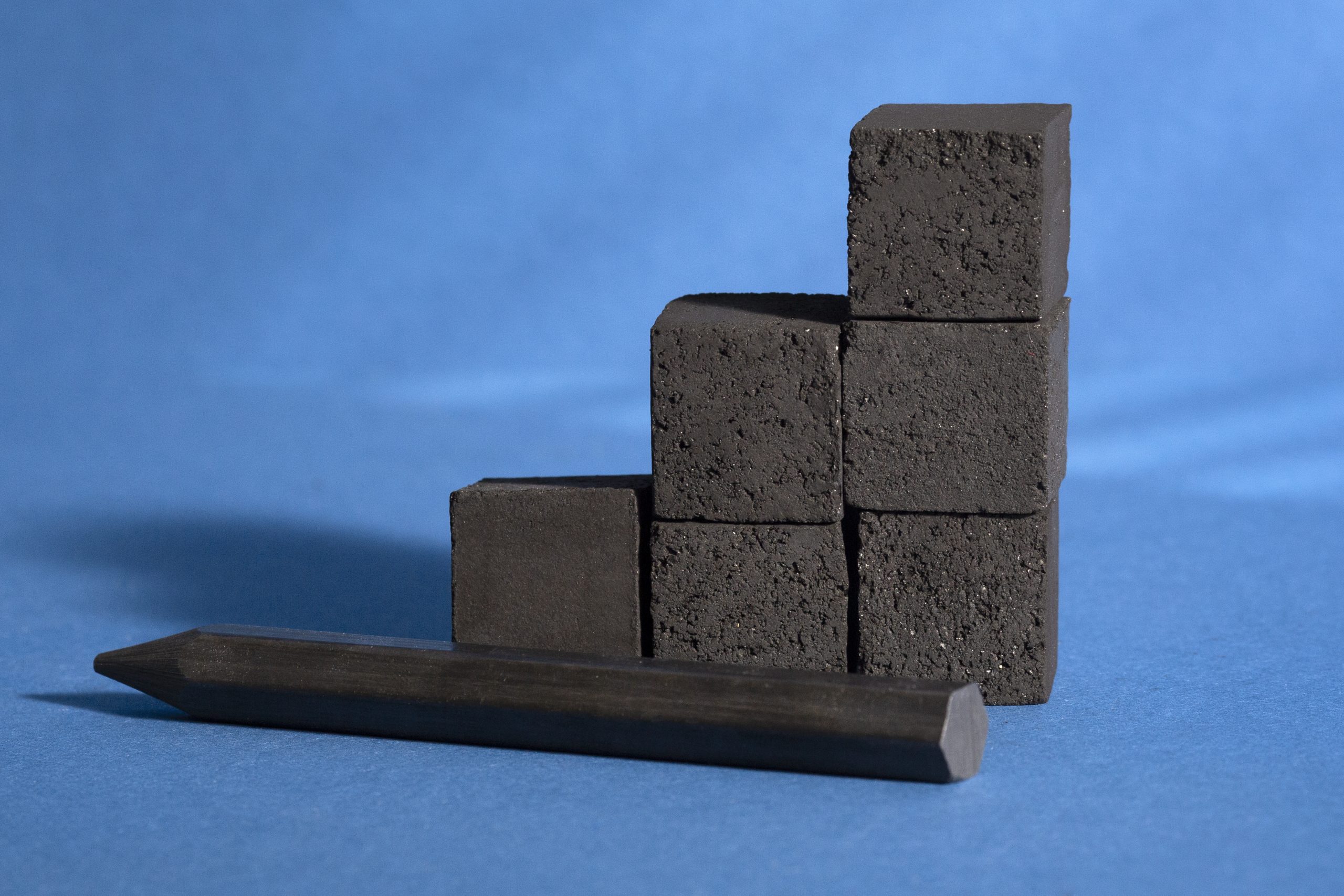
Canada’s hollow concrete blocks market is gaining attention as the construction industry increasingly focuses on durable, cost-effective, and energy-efficient building materials. Hollow concrete blocks are widely used in residential, commercial, industrial, and infrastructure projects because of their strength, versatility, fire resistance, and thermal insulation potential. Growing urban development, investments in infrastructure, and demand for affordable housing are supporting market opportunities. As construction practices evolve, manufacturers are also exploring innovative block designs, sustainable production methods, and improved material compositions. By 2035, the market is expected to benefit from Canada’s long-term construction and sustainability priorities.
Key Market Drivers Supporting the Growth of Hollow Concrete Blocks in Canada
Rising Residential Construction and Affordable Housing Demand
The growing need for affordable housing is one of the major factors supporting demand for hollow concrete blocks in Canada. Population growth, urban expansion, and changing household requirements are encouraging investments in multi-family housing, rental apartments, townhouses, and low-rise residential developments. According to CMHC, Canada recorded 259,028 housing starts in 2025, representing a 5.6% increase over 2024. This level of construction activity creates opportunities for concrete block manufacturers, particularly in foundation walls, partition walls, and structural applications.
Increasing Preference for Durable and Energy-Efficient Building Materials
Canadian builders are increasingly considering materials that offer long service life, structural stability, fire resistance, and improved building performance. Hollow concrete blocks provide a practical option because their cavities can accommodate reinforcement, insulation, and building services, depending on the application. Their thermal mass can also contribute to indoor temperature regulation when incorporated into suitable wall assemblies. Furthermore, their resistance to moisture, pests, and harsh weather conditions makes them useful across different Canadian climatic regions. These performance characteristics are supporting their adoption in residential, commercial, and industrial construction.
Infrastructure Development and Sustainable Construction Practices
Continued investment in public infrastructure, institutional buildings, warehouses, schools, and commercial facilities is creating additional opportunities for hollow concrete blocks. Their strength and adaptability make them suitable for boundary walls, retaining structures, utility buildings, and other masonry applications. At the same time, the construction industry is moving towards lower-carbon materials and resource-efficient manufacturing. Producers are exploring supplementary cementitious materials, recycled aggregates, and optimized production processes to reduce environmental impacts. This shift towards sustainable construction could strengthen demand for innovative, lower-carbon concrete masonry products over the coming decade.
Government Support and Construction Initiatives Strengthening Industry Opportunities
The Canadian government’s focus on housing affordability, infrastructure development, and construction-sector decarbonization is creating a supportive environment for the hollow concrete blocks market. Federal housing initiatives, including the Build Canada Homes program, aim to accelerate affordable housing development and encourage modern construction methods. Additionally, Canada’s Roadmap to Net-Zero Carbon Concrete supports the transition towards lower-emission cement and concrete production. These initiatives can indirectly benefit block manufacturers by encouraging sustainable material sourcing, domestic manufacturing investment, and the adoption of environmentally responsible construction products.
Competitive Landscape of the Canada Hollow Concrete Blocks Industry
The Canadian hollow concrete blocks market consists of established manufacturers, regional producers, and specialized concrete masonry suppliers. Competition is largely influenced by product quality, pricing, manufacturing capacity, distribution networks, and the ability to meet construction standards. Notable industry participants include Brampton Brick Limited, Permacon, Basalite Concrete Products, Cindercrete Products, Day & Campbell, Expocrete Concrete Products, and Brown’s Concrete Products. These companies compete through product innovation, regional market expansion, customized masonry solutions, and improvements in manufacturing efficiency.
Market Challenges Affecting the Adoption of Hollow Concrete Blocks
Fluctuating Raw Material and Production Costs
The market faces cost-related challenges arising from fluctuations in cement, aggregates, energy, transportation, and labour expenses. Since concrete block manufacturing is dependent on these inputs, rising production costs can affect profit margins and increase selling prices. Smaller regional manufacturers may find it particularly difficult to absorb sudden cost increases while remaining competitive.
Competition from Alternative Construction Materials
Hollow concrete blocks face competition from poured concrete, wood-frame construction, insulated concrete forms, lightweight concrete products, and other prefabricated building solutions. In some residential applications, builders prefer wood framing because of established construction practices and faster assembly. Additionally, changing building codes and growing demand for high-performance insulation require manufacturers to continuously improve their products and demonstrate their suitability for modern building requirements.
Future Outlook
The Canada hollow concrete blocks market is expected to witness gradual development through 2035, supported by housing requirements, infrastructure modernization, and demand for durable construction materials. According to Grand View Research, the Canadian market generated approximately USD 2.8 billion in revenue in 2022 and is projected to reach USD 3.1 billion by 2030, representing a CAGR of approximately 1% during 2023–2030. Looking ahead, manufacturers are likely to prioritize low-carbon concrete formulations, automated production, lightweight block designs, and improved thermal performance. Demand from affordable housing, institutional construction, and industrial facilities could create additional opportunities.
Consultants at Nexdigm, in their latest publication “Canada Hollow Concrete Blocks Market Outlook to 2035,” analyze the sector by Concrete Block Specification (Standard Weight Blocks, Lightweight Aggregate Blocks, Architectural Faced Blocks, Specialty Engineered Blocks), By Manufacturing Process (Vibratory Press Systems, Steam-Cured Manufacturing, Self-Curing Ambient Technology), and By Distribution Channel (Direct-to-General-Contractor, Building Material Wholesale Distributors, Independent Masonry Supply Yards).
Nexdigm suggests that businesses should focus on developing sustainable, energy-efficient hollow concrete blocks, optimizing manufacturing costs, and strengthening regional distribution networks. Investing in low-carbon production technologies, product innovation, and strategic partnerships can help manufacturers respond to evolving construction requirements and capitalize on Canada’s housing and infrastructure development opportunities.
To take the next step, simply visit our Request a Consultation page and share your requirements with us.
Harsh Mittal
+91-8422857704