
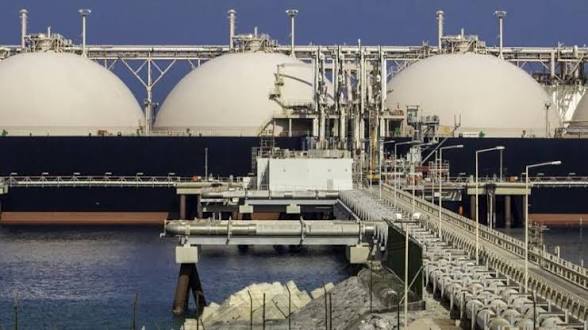
Canada’s LNG infrastructure industry is entering a transformative phase as the country strengthens its position in the global energy landscape. With growing demand for cleaner-burning fuels and energy diversification, Canada is investing heavily in LNG export terminals, storage facilities, pipelines, and marine infrastructure. The nation currently has seven LNG export projects under various stages of development, representing a combined potential capacity of approximately 50.3 million tonnes per annum (MTPA) and nearly $109 billion in prospective investment. These developments are creating new economic opportunities while enhancing Canada’s ability to serve international energy markets.
Market Drivers Advancing the Canada’s LNG Infrastructure Industry
Rising Global Demand for Canadian LNG Exports
Global economies are seeking reliable and lower-emission energy alternatives, positioning LNG as a key transition fuel. Canada’s west coast location offers strategic access to Asian markets, providing shorter shipping routes compared to many competing exporters. The completion of LNG Canada’s first phase adds approximately 14 MTPA of export capacity, strengthening the country’s role in global LNG trade. Growing energy demand across Asia has encouraged long-term supply agreements and substantial infrastructure investments, boosting confidence among developers and investors. As nations focus on energy security and supply diversification, Canadian LNG is increasingly viewed as a dependable source.
Significant Investments in Export and Midstream Infrastructure
Large-scale capital investments continue to reshape Canada’s LNG ecosystem. Infrastructure development extends beyond liquefaction plants to include pipelines, marine terminals, storage facilities, and transportation networks. Projects such as LNG Canada, Woodfibre LNG, Cedar LNG, and Ksi Lisims LNG are expanding the country’s capacity and creating a comprehensive export value chain. These projects are also generating employment, supporting local businesses, and fostering long-term economic development in British Columbia and other regions connected to the LNG supply chain.
Strategic Geographic Advantage and Resource Availability
Canada possesses abundant natural gas reserves, particularly in the Montney formation, one of North America’s most productive gas-producing regions. Combined with access to the Pacific coast, this resource base provides a competitive advantage for LNG production and export. LNG Canada’s facility in Kitimat has been designed with future expansion potential, allowing capacity growth as market demand increases. The availability of resources and export infrastructure makes Canada an attractive destination for ongoing LNG investment.
Government Initiatives Supporting the Canada’s LNG Infrastructure Industry
Federal and provincial governments continue to support LNG infrastructure through regulatory streamlining, Indigenous partnership initiatives, and investment-friendly policies. Several projects have received long-term export licenses, creating greater certainty for investors. Government agencies also recognize LNG’s role in economic growth, job creation, and export diversification. Collaboration with Indigenous communities on projects such as Cedar LNG is further strengthening project development while promoting inclusive economic participation across Canada’s energy sector.
Competitive Landscape of Canada’s LNG Infrastructure Sector
Canada’s LNG infrastructure market features a mix of global energy companies, domestic utilities, and infrastructure developers. Major participants include LNG Canada, Shell, PETRONAS, PetroChina, Mitsubishi Corporation, KOGAS, Woodfibre LNG, and Cedar LNG. The market is characterized by strategic partnerships, significant capital commitments, and long-term export-focused developments. Competition increasingly centers on operational efficiency, environmental performance, Indigenous engagement, and access to international LNG customers.
Challenges Shaping Canada’s LNG Infrastructure Industry
Regulatory Complexity and Project Timelines
Despite strong investment interest, LNG projects often face lengthy permitting and approval processes. Environmental assessments, stakeholder consultations, and compliance requirements can extend development timelines and increase project costs.
Capital Intensity and Market Volatility
LNG infrastructure projects require multi-billion-dollar investments and long construction periods. Developers must navigate fluctuating natural gas prices, changing global demand patterns, and geopolitical uncertainties. Securing financing while maintaining profitability remains a key challenge for market participants pursuing large-scale developments.
Future Outlook
The future of Canada’s LNG infrastructure market appears highly promising. With export facilities advancing toward operation and additional projects under development, Canada is positioned to become a significant LNG supplier in the Asia-Pacific region. Industry momentum is supported by abundant natural gas resources, strong investor interest, and expanding global demand for diversified energy supplies. As infrastructure networks mature and more projects reach commercial operation, Canada is expected to strengthen its competitiveness in the global LNG sector while creating substantial economic benefits, employment opportunities, and long-term export revenues. Future capacity additions could further build upon the country’s current pipeline of 50.3 MTPA in proposed and developing LNG projects.
Consultants at Nexdigm, in their latest publication “Canada LNG Infrastructure Market Outlook to 2035” analyze the sector By Facility Type (Liquefaction Terminals, Pipeline Infrastructure and Storage and Regasification), By Project Development Status (Operational, Under Construction and Regulatory Review Phase) and By Export Market Destination (North Asia, South Asia and European Union) and By Feedstock Source (Montney Shale Formation, Duvernay Shale Formation and Horn River Basin).
Nexdigm suggests that businesses in “Canada LNG Infrastructure Industry” focusses on oilfield, desalination, construction, and industrial applications, strengthen local warehousing, develop application-specific grades, improve technical support, and build resilient sourcing networks to serve expanding energy, water, and manufacturing demand.
To take the next step, simply visit our Request a Consultation page and share your requirements with us.
Harsh Mittal
+91-8422857704