
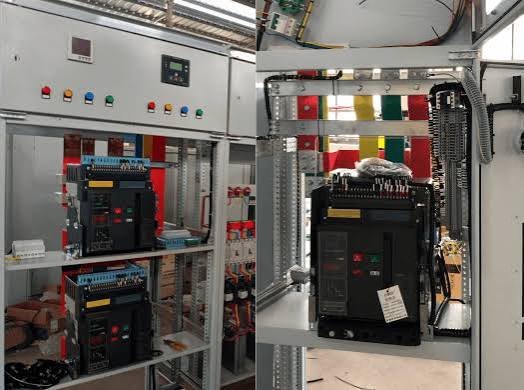
Canada low-voltage DC circuit breakers industry is experiencing steady expansion, supported by growing investments in energy infrastructure modernization, battery energy storage systems, and electric vehicle charging networks. The sector is valued at approximately USD 842.5 million and is projected to grow at a 5.6% CAGR during the forecast period. Rising deployment of renewable energy projects, increasing electrification across industrial facilities, and expanding digital infrastructure are creating strong demand for advanced DC protection solutions. As utilities and industries prioritize reliability and safety, low-voltage DC circuit breakers are becoming essential components within Canada’s evolving power ecosystem.
Market Drivers Advancing Canada Low-Voltage DC Circuit Breakers Sector
Growth of Battery Energy Storage Systems
Canada is rapidly expanding battery energy storage capacity to support renewable energy integration and grid stability. Large-scale storage projects require robust DC protection equipment to prevent overloads, short circuits, and arc-fault incidents. As utilities increasingly deploy battery systems alongside solar and wind projects, demand for high-performance low-voltage DC circuit breakers continues to increase. The adoption of modular solid-state breaker technologies is also improving operational safety and system efficiency.
Expansion of Electric Vehicle Charging Infrastructure
The accelerating adoption of electric vehicles across Canada is creating significant opportunities for the industry. Fast-charging stations rely on DC electrical systems that require reliable protection devices to ensure uninterrupted operation. Public and private investments in EV charging corridors are driving installations across major provinces, increasing demand for advanced circuit breaker solutions capable of handling higher power loads and improving electrical safety.
Industrial and Data Center Modernization
Industrial centers such as Mississauga, Ontario, and energy hubs like Calgary, Alberta, are investing in modern electrical distribution systems. Simultaneously, growing data center capacity and digital transformation initiatives are boosting the need for dependable DC protection infrastructure. Facilities increasingly require sophisticated breakers with enhanced arc-fault detection capabilities to ensure operational continuity and equipment protection in mission-critical environments.
Government Initiatives Supporting Canada Low-Voltage DC Circuit Breakers Growth
The Canadian government supports industry growth through clean energy and electrification policies, including its national emissions reduction programs and renewable energy development initiatives. Regulatory compliance with Canadian Standards Association (CSA) C22.2 No. 5-16 requirements encourages the adoption of advanced electrical protection technologies. Federal and provincial investments in EV charging infrastructure, battery storage projects, and grid modernization programs further contribute to demand for low-voltage DC circuit breakers across multiple sectors.
Competitive Landscape of Canada Low-Voltage DC Circuit Breakers Industry
The industry is characterized by strong participation from leading international manufacturers, including Schneider Electric, Eaton Corporation, ABB, Siemens, and Mitsubishi Electric. Market participants compete through technological innovation, product reliability, and compliance with evolving safety regulations. Companies are increasingly focusing on smart monitoring capabilities, modular solid-state breaker technologies, and enhanced arc-fault protection systems to strengthen their competitive positions and support diverse industrial applications.
Challenges Impacting Canada Low-Voltage DC Circuit Breakers Industry
High Installation and Upgrade Costs
Advanced low-voltage DC circuit breaker systems often require substantial upfront investments, particularly when replacing legacy electrical infrastructure. These costs can slow adoption among smaller industrial facilities and commercial operators.
Regulatory Compliance Complexity
Manufacturers and end users must continually adapt to evolving safety standards and certification requirements. Compliance testing, certification procedures, and product modifications can increase operational expenses and extend project implementation timelines.
Future Outlook
Rising Electrification Across Industries
The continued expansion of renewable energy systems, battery storage facilities, and electric mobility infrastructure is expected to strengthen industry growth. Demand for advanced DC protection equipment will likely increase as organizations pursue greater energy efficiency and electrical reliability.
Technological Advancements Driving Growth
Future development will be supported by smart circuit protection technologies, enhanced monitoring capabilities, and solid-state breaker innovations. As utilities, industrial operators, and data centers modernize their electrical systems, Canada’s low-voltage DC circuit breakers industry is expected to maintain a positive growth trajectory and play a crucial role in supporting the nation’s energy transition objectives.
Consultants at Nexdigm, in their latest publication “Canada Low-Voltage DC Circuit Breakers Market Outlook to 2035,” analyze the sector By (Defining LV Circuit Breaker Scope, Supply Chain Mapping Malaysia, Bottom-Up Revenue Estimation Model, Top-Down Market Sizing Analysis, Primary Industry Expert Interviews,).
Nexdigm suggests that businesses in the Canada Low-Voltage DC Circuit Breakers Industry prioritize investments in smart protection technologies, solid-state circuit breaker solutions, and regulatory-compliant products. Aligning with renewable energy integration, EV charging expansion, and grid modernization initiatives can help companies strengthen competitiveness and capture emerging growth opportunities.
To take the next step, simply visit our Request a Consultation page and share your requirements with us.
Harsh Mittal
+91-8422857704