
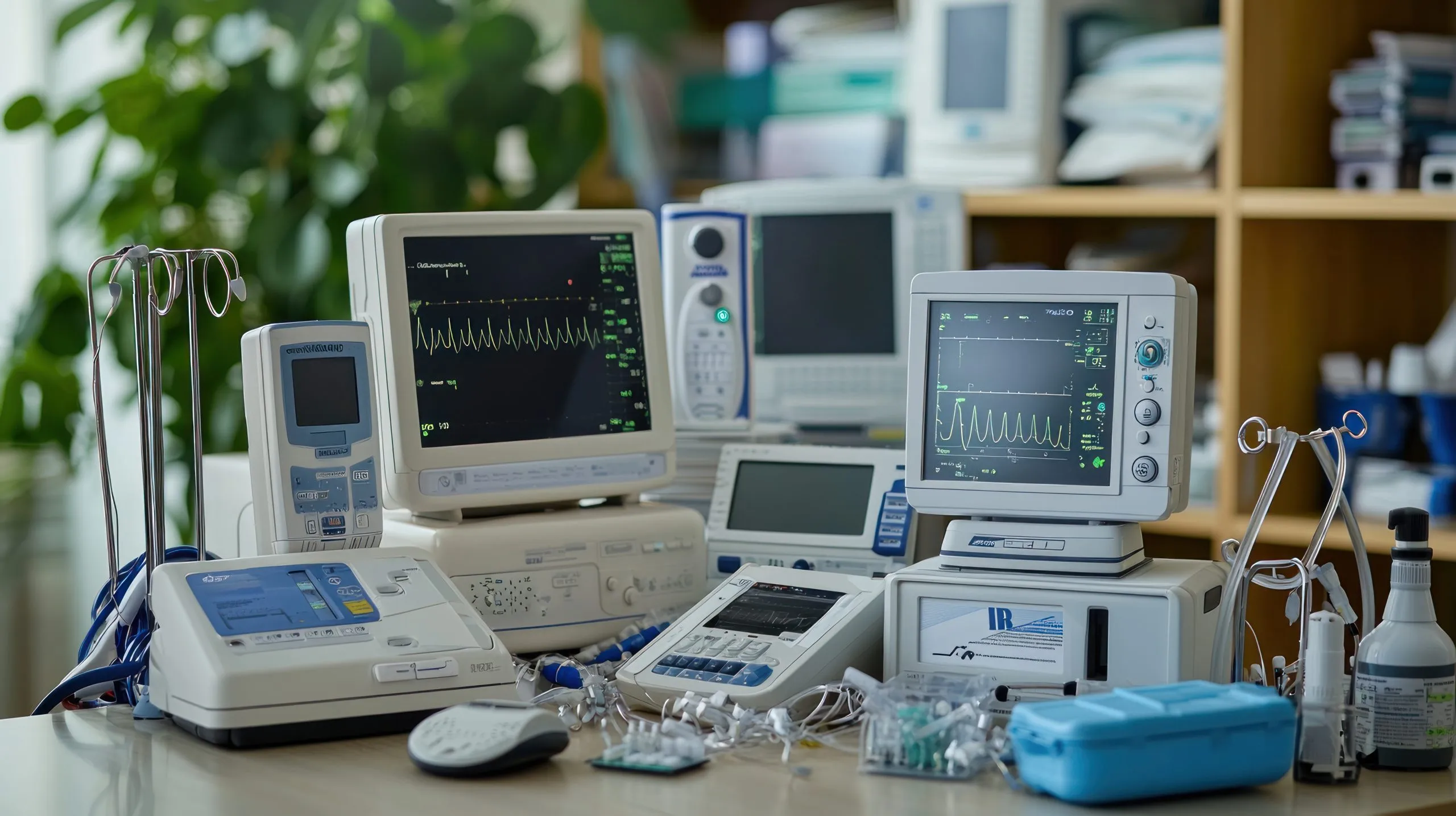
Medical devices are now a fundamental part of how healthcare works across Canada, supporting everything from basic diagnostics to complex surgeries. The market, valued at over USD 10 billion, earlier, continues to grow steadily as demand increases. From imaging machines to wearable monitors, these tools are used at almost every stage of care. Most patients may not notice them directly, but they play a critical role behind the scenes. As healthcare evolves, reliance on technology is becoming more evident. This shift is making medical devices central to improving outcomes. Over time, their presence in everyday care is only increasing. In simple terms, modern healthcare depends heavily on these technologies. They are quietly shaping how care is delivered and experienced.
What’s Driving the Growing Use of Medical Devices in Canada?
An Aging Population Is Increasing Healthcare Needs
Canada’s aging population is one of the biggest drivers of demand for medical devices. As more people live longer, the need for ongoing monitoring and treatment grows. Chronic diseases such as diabetes and heart conditions are becoming more common. This increases the need for diagnostic and therapeutic devices. Healthcare providers rely more on devices for continuous care. This demand is expected to continue for many years. It creates a steady need across hospitals and clinics. In practical terms, more patients mean more frequent use of medical technology. This demographic trend is shaping long-term market growth. It also highlights the need for more efficient and scalable solutions.
Technology Is Making Healthcare Smarter and More Efficient
Advancements in technology are transforming how medical devices are used. Innovations like AI, robotics, and connected devices are becoming more common in healthcare settings. Smart medical devices in Canada are growing at around 14% annually. These technologies improve accuracy and speed in diagnosis and treatment. Hospitals are becoming more digitally connected environments. Devices are increasingly integrated with data systems. This allows better decision-making and patient monitoring. Over time, technology is making care more precise and personalized. It is also helping extend healthcare beyond traditional settings. This shift is redefining how care is delivered across the system.
Rising Healthcare Spending Supporting Adoption
Canada’s increasing healthcare spending is enabling the adoption of advanced medical devices. Hospitals and clinics are investing in modern equipment to improve services. This includes imaging systems, surgical tools, and monitoring devices. Public funding plays a key role in these investments. Private sector demand is also contributing to growth. Better infrastructure leads to greater use of technology. As facilities expand, so does the need for updated equipment. In simple terms, more funding allows for better tools and care. This creates a strong foundation for continued market growth. It also ensures that healthcare systems keep up with evolving needs.
Canadian Government Regulations Supporting Medical Device Market Growth
Government regulations ensure that medical devices in Canada meet strict safety and quality standards. Health Canada plays a central role in approving and monitoring devices before they reach the market. These rules help build trust among healthcare providers and patients. There is also support for adopting innovative technologies. Policies encourage the use of efficient and advanced devices. Funding programs support modernization efforts. This creates a stable and predictable environment for companies. It also ensures patient safety remains a priority. Overall, regulation supports both innovation and reliability.
Competitive Environment of Canada’s Medical Devices Market
The Canada medical devices market includes a mix of global companies and local innovators. More than 1,500 medtech firms operate in the country, contributing to a diverse ecosystem. Large companies dominate advanced and high-value segments. Smaller firms focus on niche innovations and new technologies. Most activity is concentrated in major provinces like Ontario and Quebec. Competition is driven by quality, innovation, and pricing. Partnerships between companies and healthcare providers are increasing. The market continues to attract new entrants. This dynamic environment supports ongoing innovation. It also helps improve the overall quality of healthcare solutions.
Market Challenges affecting Canada’s Medical Devices Market
High Costs Can Limit Adoption
Advanced medical devices often come with high costs, which can limit their adoption in some healthcare settings. Smaller facilities may struggle to afford new equipment. Budget constraints can delay upgrades. Maintenance and training add to overall expenses. Healthcare providers must balance cost with quality. This can slow the adoption of newer technologies. Cost remains a major factor in purchasing decisions. Addressing affordability will be important for future growth. Finding cost-effective solutions will help expand access.
Dependence on Imports Creates Risks
Canada relies heavily on imported medical devices, which makes the market vulnerable to global supply chain disruptions. Delays in shipments can affect availability. Currency changes can impact pricing. Supply chain issues can disrupt healthcare delivery. Local manufacturing is still relatively limited. Reducing dependency could strengthen the market. Improving supply chain resilience is becoming essential. This is an area that requires long-term focus. Building local capacity could improve stability.
Future Outlook
Canada’s medical devices market is expected to become more advanced, connected, and patient-focused. Continued innovation and investment will drive this transformation. AI-powered and smart devices will become more common. Patients will benefit from faster and more personalized care. Healthcare providers will rely more on real-time data. Devices will increasingly support remote and home-based care. The system will shift toward more proactive healthcare. Technology will play a central role in everyday treatment. Overall, care will become more efficient and accessible. In simple terms, healthcare will feel more connected and responsive.
Consultants at Nexdigm, in their latest publication CanadaMedical Devices Market Outlook 2035, analyze the sector by System Type (Teleconsultation Services, Remote Patient Monitoring Systems, Telemedicine Software Platforms, Mobile Health Applications and Telemedicine Integration Systems), by End User Segment (Hospitals, Clinic and Healthcare Providers and Patients).
Nexdigm suggests that businesses should consider partnerships with local manufacturers to reduce costs and align with government initiatives promoting domestic production. Strengthening regulatory knowledge and building relationships with key stakeholders in the healthcare sector will also be essential for navigating the complexities of Canada’s medical devices market.
To take the next step, simply visit our Request a Consultation page and share your requirements with us.
Harsh Mittal
+91-8422857704