
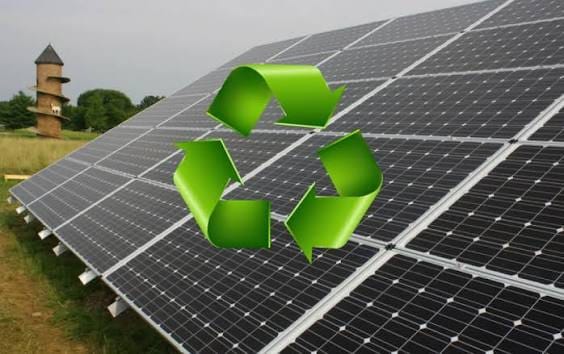
Canada’s renewable energy transition is creating new opportunities beyond solar power generation, particularly in solar panel recycling. With the country’s cumulative solar photovoltaic capacity exceeding 4 GW, thousands of panels installed over the past two decades will eventually require responsible end-of-life management. As sustainability becomes a priority for utilities, businesses, and homeowners, recycling offers a practical solution to recover valuable materials such as glass, aluminum, silicon, and copper. The Canada Solar Panel Recycling Market is emerging as a critical component of the clean energy ecosystem, helping reduce landfill waste while supporting the nation’s circular economy ambitions.
Market Drivers Advancing the Canada Solar Panel Recycling Industry
Rising Deployment of Solar Energy Systems
Canada’s solar sector has witnessed significant expansion, particularly across Ontario, Alberta, British Columbia, and Quebec. The country has surpassed 4 GW of installed solar capacity, with utility-scale and distributed solar projects continuing to enter operation. As solar panels typically have operational lifespans of 25–30 years, a growing volume of aging modules is expected to enter the waste stream in the coming years. This growing installed base creates a long-term need for collection, dismantling, and recycling services. Companies that establish recycling capabilities early are expected to benefit from the increasing number of retired panels over the next decade.
Valuable Material Recovery Driving Industry Interest
A typical solar panel contains approximately 70–75% glass, along with aluminum frames, copper wiring, silicon cells, and small quantities of silver. Recycling enables recovery of these materials for use in manufacturing and industrial applications. As global concerns around critical raw material supply chains increase, recovered materials are becoming economically attractive. Manufacturers and recyclers are investing in advanced technologies that improve recovery rates and reduce processing costs, strengthening the business case for solar panel recycling.
Corporate Sustainability and Circular Economy Goals
Many Canadian businesses are moving beyond basic environmental compliance and embracing broader ESG and net-zero commitments. Recycling solar panels aligns with these objectives by minimizing waste and reducing demand for virgin raw materials. Utilities, commercial property owners, and renewable energy developers increasingly prefer end-of-life management solutions that demonstrate environmental responsibility. This growing emphasis on circular economy practices is encouraging partnerships between solar developers and recycling firms, accelerating market development.
Government Initiatives Supporting the Canada Solar Panel Recycling Industry
Federal and provincial governments are promoting cleaner energy systems and responsible waste management practices. Canada’s commitment to achieving net-zero emissions and expanding renewable energy generation indirectly supports solar recycling initiatives. Provinces are also evaluating extended producer responsibility frameworks and electronic waste management policies that can strengthen collection and recycling infrastructure. These initiatives are expected to encourage investment in recycling facilities while improving awareness of proper solar panel disposal practices across the country.
Competitive Landscape of Canada Solar Panel Recycling Sector
The market remains relatively young but is attracting interest from recycling companies, waste management providers, and renewable energy service firms. Key participants are focusing on material recovery optimization, technology development, and strategic partnerships. Some organizations are collaborating with solar manufacturers and project developers to create efficient take-back and recycling programs. As panel retirement volumes increase, competition is expected to intensify, leading to greater innovation and capacity expansion across Canada’s recycling ecosystem.
Challenges Impacting Canada Solar Panel Recycling Industry
Limited Specialized Recycling Capacity
Despite growing demand, Canada currently has limited infrastructure dedicated specifically to solar panel recycling. Most facilities are still developing processes capable of handling increasing panel volumes efficiently.
Transportation and Processing Economics
Solar panels are bulky and often located in geographically dispersed regions. Collection, transportation, and processing costs can reduce profitability, especially when material recovery values fluctuate. Developing cost-effective logistics networks will remain essential for sustained market growth.
Future Outlook
The future of Canada’s solar panel recycling sector looks increasingly promising as renewable energy adoption continues to accelerate. Growing solar deployment, stronger sustainability commitments, and advances in recycling technology are expected to drive market expansion. Industry stakeholders are likely to invest in automated material recovery systems, improved collection programs, and circular economy partnerships. As larger volumes of solar panels reach the end of their operational lives, recycling will transition from a niche activity to an essential segment of Canada’s renewable energy value chain, creating both environmental and economic benefits for the country.
Consultants at Nexdigm, in their latest publication “Canada Solar Panel Recycling Market Outlook to 2035” analyze the sector By Service Provider Model (Third-Party Logistics Aggregators and Integrated Decommissioning Contractors), By Regulatory Status (Mandatory EPR Jurisdictions, Voluntary Stewardship Programs and Non-Regulated Emerging Markets) and By Application Sector (Utility-Scale Solar Farms, Commercial and Industrial Rooftop and Residential Off-Grid systems).
Nexdigm suggests that businesses in “Canada Solar Panel Recycling Industry” focusses on oilfield, desalination, construction, and industrial applications, strengthen local warehousing, develop application-specific grades, improve technical support, and build resilient sourcing networks to serve expanding energy, water, and manufacturing demand.
To take the next step, simply visit our Request a Consultation page and share your requirements with us.
Harsh Mittal
+91-8422857704