
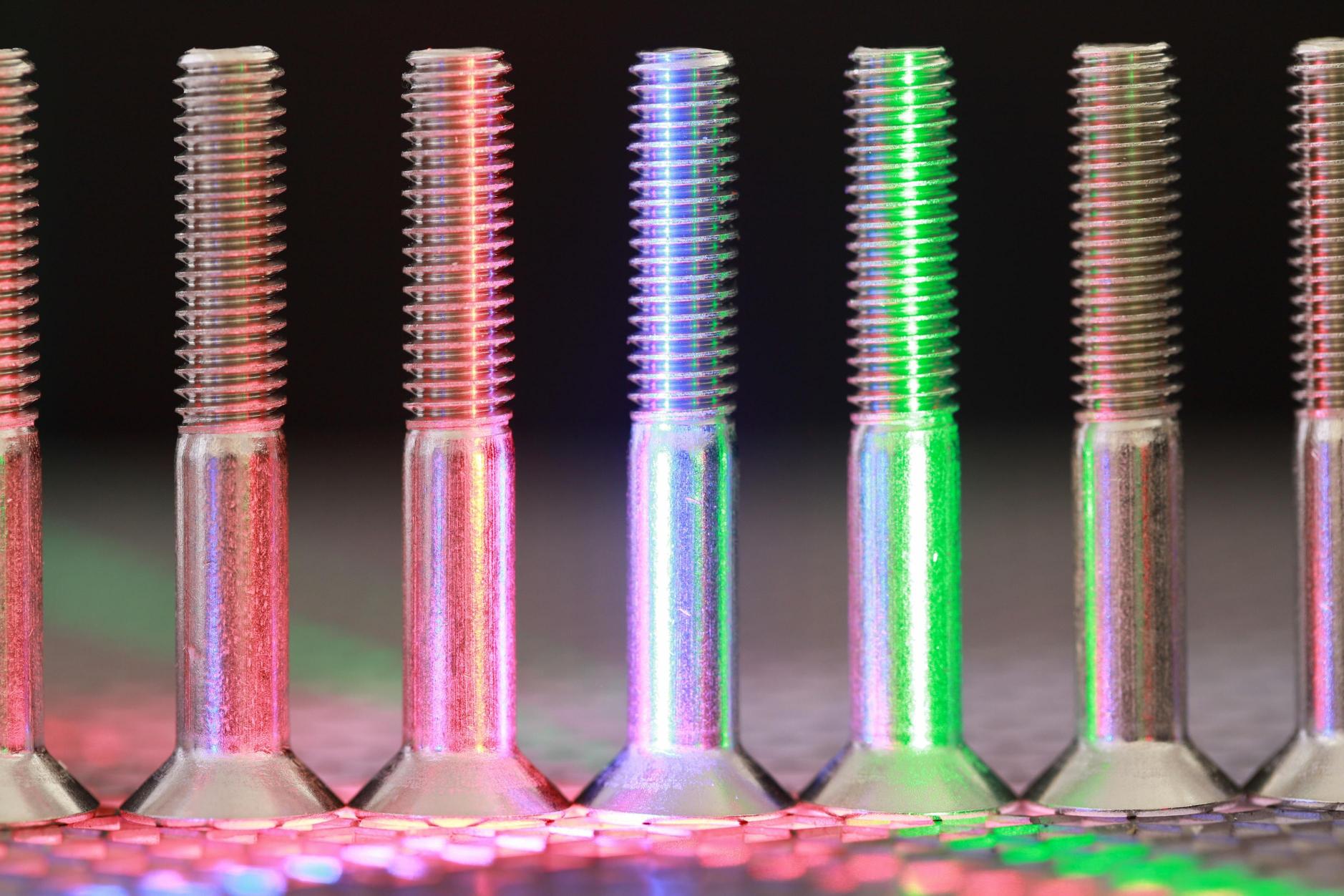
Canada titanium metal industry is experiencing robust growth, supported by strong demand from aerospace, automotive, and advanced manufacturing sectors. The industry is projected to reach approximately USD 1.42 billion and expand at a 5.6% CAGR through 2035. Canada’s rich titanium-bearing mineral resources, particularly in Quebec, combined with its well-established aerospace ecosystem, create favorable conditions for industry development. Growing adoption of lightweight materials, increasing investments in sustainable extraction technologies, and rising demand for high-performance alloys are further strengthening the country’s position within the global titanium value chain.
Market Drivers Advancing Canada Titanium Metal Growth
Expansion of Aerospace Manufacturing Activities
Canada’s aerospace sector remains one of the primary drivers of titanium consumption. Manufacturing hubs such as Montreal utilize titanium alloys extensively in aircraft structures, engines, fasteners, and landing gear components. Titanium’s high strength-to-weight ratio helps improve aircraft fuel efficiency and operational performance. As global aircraft production expands and next-generation airframe development accelerates, demand for titanium-based components is expected to increase significantly.
Rising Demand from Electric Vehicle Production
The transition toward electric mobility is creating new opportunities for titanium applications. Electric vehicles increasingly utilize lightweight and heat-resistant materials to improve performance and battery efficiency. Titanium is gaining popularity in specialized automotive components due to its durability, corrosion resistance, and ability to withstand high temperatures. Growing EV adoption across North America is expected to contribute to long-term industry expansion.
Increasing Focus on Sustainable Extraction and Recycling
Canadian producers are investing in cleaner extraction methods and circular economy initiatives to improve efficiency and reduce environmental impact. Companies are implementing advanced processing technologies while increasing titanium scrap recycling capabilities. These efforts help strengthen domestic supply chains, reduce dependence on imported materials, and support sustainability goals. Recycling titanium can significantly reduce energy requirements compared to primary production, creating both environmental and economic benefits.
Government Initiatives Supporting Canada Titanium Metal Sector
The Canadian government is promoting sustainable industrial development through environmental regulations and resource-efficiency programs. The Federal Sustainable Development Act encourages lower emissions and cleaner industrial processes across mining and metallurgical sectors. Regulatory support for energy-efficient technologies and circular economy practices is driving adoption of advanced extraction methods and titanium recycling initiatives. These measures help improve long-term supply chain resilience while supporting the country’s environmental objectives.
Competitive Landscape of Canada Titanium Metal Industry
The industry comprises mining companies, titanium processors, alloy manufacturers, and aerospace suppliers focused on innovation and operational efficiency. Key participants include Rio Tinto Iron and Titanium, ATI Inc., TIMET, VSMPO-AVISMA, and several specialized aerospace materials suppliers. Companies are expanding processing capabilities, investing in low-carbon production methods, and strengthening recycling operations to meet increasing demand from aerospace and industrial applications.
Challenges Impacting Canada Titanium Metal Industry
Volatile Raw Material and Commodity Prices
Titanium production is influenced by fluctuations in mineral feedstock costs and global commodity markets. Variations in supply, demand, and international trade conditions can impact profitability and investment planning across the sector.
High Energy Requirements for Production
Titanium extraction and refining remain energy-intensive processes that require significant capital investment. Rising energy costs and stringent environmental compliance requirements can increase operational expenses for manufacturers and processors.
Future Outlook
Aerospace and Advanced Manufacturing Creating New Opportunities
Continued growth in aerospace production, defense applications, and electric vehicle manufacturing is expected to generate strong demand for titanium alloys. Expanding use of lightweight, high-performance materials will support sustained industry development.
Sustainability Initiatives Strengthening Industry Expansion
Investments in cleaner extraction technologies, scrap recycling, and resource-efficient production processes are expected to enhance competitiveness across the sector. As companies increasingly adopt circular economy principles and low-carbon manufacturing practices, Canada’s titanium metal industry is well-positioned for long-term growth while maintaining supply chain resilience and environmental compliance.
Consultants at Nexdigm, in their latest publication “Canada Titanium Metal Market Outlook to 2035 ,” analyze the sector By ((Defining Canadian Mineral Extraction Scope, Primary Production Capacity Bottom-up Calculation, Aerospace End-market Demand Correlation Analysis, Export Tariff Impact Assessment).
Nexdigm suggests that businesses in the Canada Titanium Metal Industry focus on aerospace manufacturing, electric vehicle applications, and sustainable titanium processing. Investments in low-carbon extraction technologies, titanium recycling, and advanced alloy production can help companies improve operational efficiency, strengthen supply chain resilience, and capitalize on growing industrial demand.
To take the next step, simply visit our Request a Consultation page and share your requirements with us.
Harsh Mittal
+91-8422857704