
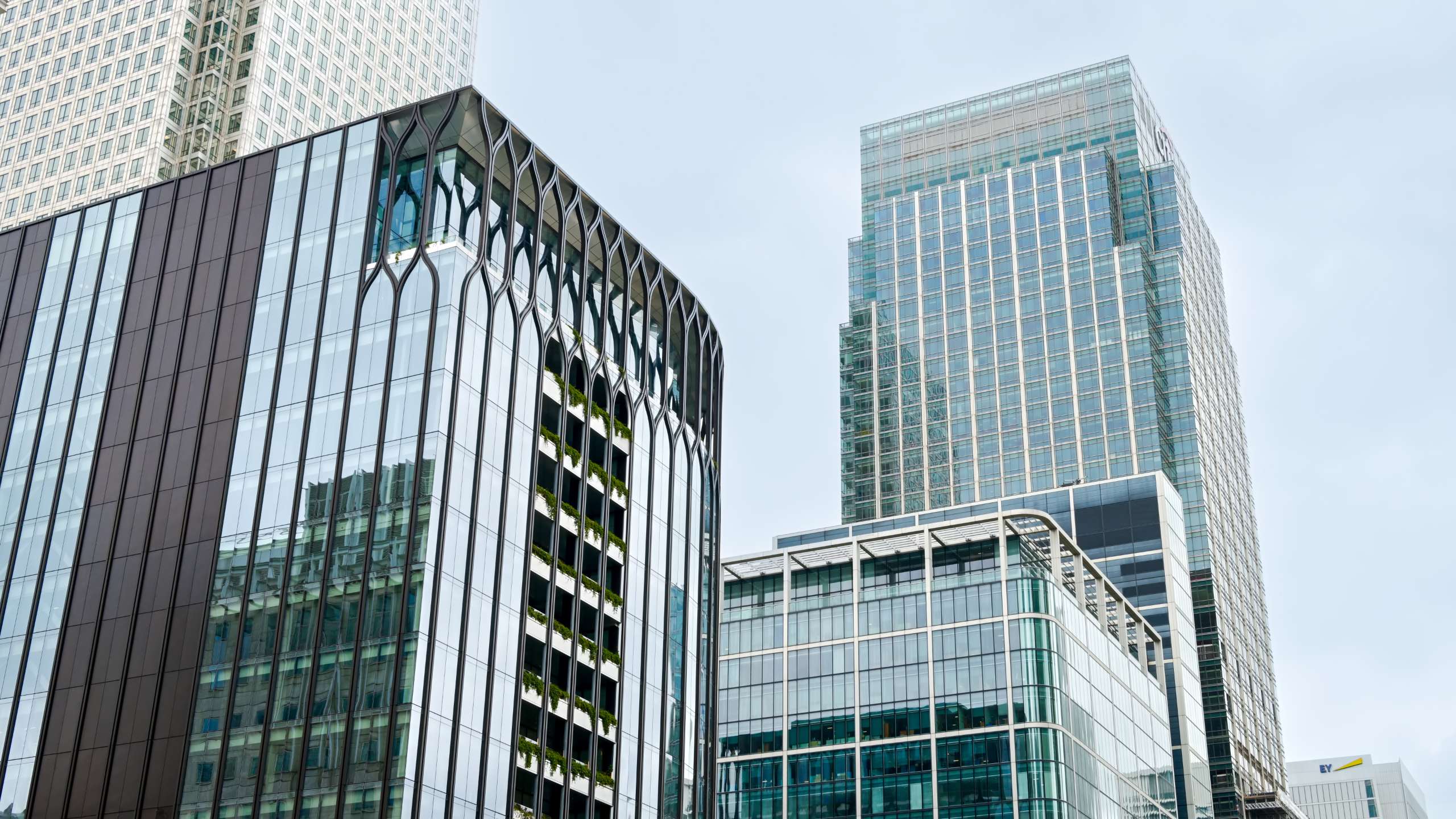
China’s architectural and construction glass market continues to evolve alongside the country’s large-scale infrastructure development, urban renewal programs, and sustainability initiatives. The construction industry was valued at approximately CNY 9.13 trillion in 2024, supported by substantial public and private sector investments across commercial, residential, industrial, and transportation projects. Additionally, China invested around CNY 1.2 trillion in transportation infrastructure projects and recorded 1,860 LEED-certified projects covering more than 25 million square meters during 2024, reinforcing demand for energy-efficient building materials. These trends are accelerating the adoption of advanced glazing products, including Low-E glass, insulated glass units, and smart façade systems across modern construction projects.
Key Market Drivers for China’s Architectural and Construction Glass Industry
Government-Led Infrastructure Development Sustains Glass Demand
Infrastructure investment remains a key pillar supporting China’s construction ecosystem. The government planned approximately CNY 1.2 trillion in transport infrastructure investments during 2024, creating substantial demand for architectural glass across airports, railway stations, metro systems, commercial developments, and public facilities. Large-scale infrastructure modernization projects continue to require high-performance façade systems, tempered glass, laminated glass, and insulated glazing solutions, supporting long-term market demand.
Green Building Expansion Accelerates Adoption of Energy-Efficient Glazing
China’s commitment to carbon reduction and sustainable urbanization is increasing the adoption of advanced architectural glass products. In 2024, mainland China recorded approximately 1,860 LEED-certified projects covering more than 25 million square meters, highlighting the growing emphasis on sustainable construction. Demand is rising for Low-E glass, solar-control glazing, insulated glass units, and other energy-efficient solutions that help improve building performance while reducing energy consumption
Commercial and Urban Redevelopment Projects Support Premium Glass Applications
Major urban centers including Beijing, Shanghai, Shenzhen, Guangzhou, and Chengdu continue to witness investment in commercial complexes, mixed-use developments, office towers, and institutional buildings. Developers increasingly utilize curtain wall systems, smart façades, skylights, and decorative glass solutions to enhance building aesthetics and functionality. As China’s cities continue upgrading aging infrastructure and advancing urban renewal programs, opportunities are emerging for value-added and specialized architectural glass products.
Government Support Through Green Building Policies and Infrastructure Modernization
The Chinese government continues to promote sustainable construction through green-building regulations, carbon-reduction targets, and infrastructure investment programs. In addition, mandatory green building certification requirements have been expanded across major cities, with regulations covering an estimated 320 million square meters of new construction annually. These policies encourage developers to incorporate energy-efficient materials and advanced façade technologies, creating favorable growth conditions for the architectural glass industry.
Competitive Landscape Driven by Scale, Innovation, and Sustainable Building Requirements
China’s architectural and construction glass market is highly competitive, comprising large domestic manufacturers, regional processors, fabricators, and specialized glazing solution providers. Competition is increasingly focused on energy efficiency, product quality, advanced coating technologies, and customized façade solutions. Supported by more than 25 million square meters of LEED-certified space added in 2024 and growing green-building adoption, suppliers are investing in high-performance glazing, smart glass technologies, and value-added processing capabilities to strengthen their market position
Market Challenges Facing China’s Architectural and Construction Glass Industry
Real Estate Market Adjustments Impact Construction Activity
While infrastructure construction remains resilient, ongoing weakness in portions of China’s property market continues to affect new building completions and construction activity. Developers remain cautious regarding new investments, which can influence short-term demand for architectural glass products across certain residential segments.
Increasing Sustainability and Technical Performance Requirements
Developers, regulators, and institutional investors are placing greater emphasis on energy efficiency, carbon reduction, safety, and environmental compliance. Meeting these evolving requirements requires significant investment in advanced manufacturing technologies, coatings, certifications, and product innovation, increasing operational pressures for market participants.
Future Outlook
Looking ahead, China’s architectural and construction glass market is expected to benefit from continued infrastructure spending, green-building expansion, and urban redevelopment initiatives. China’s construction industry is projected to reach approximately CNY 11.72 trillion by 2028, supported by sustained public investment and modernization projects. Furthermore, mandatory green-building requirements across major cities are influencing an estimated 320 million square meters of new construction annually, accelerating demand for energy-efficient glazing systems. With more than 25 million square meters of LEED-certified space added in 2024, future growth is likely to center on Low-E glass, smart glazing technologies, solar-control façades, and high-performance insulated glass solutions. Companies investing in sustainable innovation and advanced processing capabilities will be well-positioned to capitalize on China’s evolving construction landscape.
Consultants at Nexdigm, in their latest publication “China Architectural and Construction Glass Market Outlook to 2035,” analyse the sector By Product Type (Clear Float Glass, Tinted Float Glass and Reflected Coated Glass), By Coating Application (Offline PVD Coatings and Online CVD Coatings) and By Distribution Channel (Direct B2B Developer, Specialized Glass Fabricated Networks and Architectural Design Firm Specification).
Nexdigm suggests that businesses in China’s Architectural and Construction Glass Industry focus on energy-efficient glazing technologies, green-building compliance, advanced processing capabilities, and infrastructure partnerships to capitalize on growing demand for sustainable and high-performance building solutions.
To take the next step, simply visit our Request a Consultation page and share your requirements with us.
Harsh Mittal
+91-8422857704