
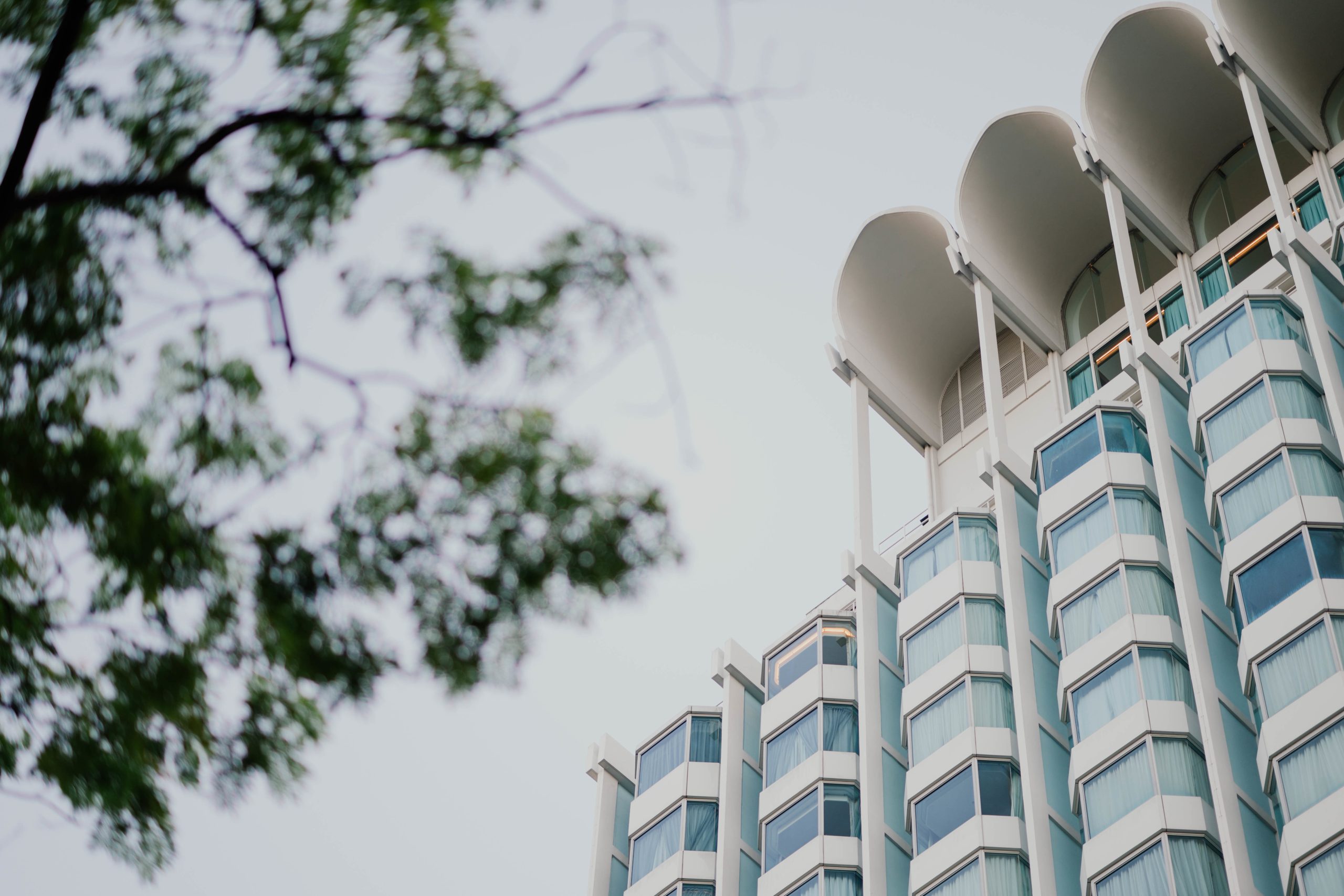
The China building thermal insulation market is expanding, supported by energy-efficient construction, sustainable infrastructure, building renovations, and increasing demand for advanced thermal protection materials. Insulation products include glass wool, mineral wool, expanded polystyrene (EPS), extruded polystyrene (XPS), and polyurethane systems designed to reduce heat transfer and improve indoor comfort. The market was valued at approximately USD 3.85 billion in 2025 and is projected to reach USD 5.8 billion by 2035, growing at a CAGR of approximately 4.17%. Increasing investment in green buildings, residential retrofits, and commercial infrastructure is creating long-term opportunities for manufacturers and suppliers.
Growth Drivers Shaping China’s Building Thermal Insulation Industry
Rising Energy Efficiency and Decarbonization Requirements Accelerate Market Growth
China’s increasing emphasis on energy conservation, carbon reduction, and sustainable construction is strengthening demand for advanced building thermal insulation materials. The building sector accounts for approximately 20% of China’s total final energy consumption, highlighting significant opportunities for energy optimization. Insulation products help minimize heat transfer through roofs, walls, floors, and building envelopes, reducing heating and cooling requirements. Glass wool accounted for approximately 33.13% of China’s building insulation market revenue in 2025, reflecting demand for thermally efficient and cost-effective materials. Increasing energy costs, environmental commitments, and stricter building performance requirements are encouraging developers and property owners to adopt advanced insulation solutions.
Residential Construction and Building Renovation Support Market Expansion
Growing investment in residential renovations, commercial properties, industrial facilities, and infrastructure modernization is creating opportunities for thermal insulation manufacturers. China’s real estate development sector recorded approximately 737.43 million square metres of completed building floor space in 2024, highlighting the substantial scale of construction activity despite a slowdown in property development. Residential and commercial developers are increasingly adopting mineral wool, fiberglass, EPS, XPS, and polyurethane insulation systems to improve thermal performance and building durability. Demand for affordable housing upgrades, energy-efficient retrofitting, and improved building envelope performance is supporting wider adoption of advanced insulation technologies.
Sustainable Materials and Advanced Insulation Technologies Encourage Market Development
Increasing emphasis on green building certification, circular construction, and environmentally responsible manufacturing is encouraging innovation in thermal insulation products. Manufacturers are developing recycled-content mineral wool, advanced polymer insulation boards, aerogel materials, and low-emission insulation systems. Growing interest in net-zero buildings, prefabricated construction, and high-performance building envelopes is creating opportunities across residential, commercial, and institutional applications.
Government Supporting China’s Building Thermal Insulation Industry Development
China’s building energy-efficiency policies promote improved thermal performance, sustainable construction, and renovation of existing infrastructure. The government established targets to complete approximately 200 million square metres of energy-saving building retrofits during 2024–2025, alongside the development of ultra-low-energy buildings. China’s General Code for Energy Efficiency and Renewable Energy Application in Buildings (GB 55015-2021) establishes mandatory efficiency requirements for building design. Green building initiatives and national decarbonization objectives further encourage advanced insulation materials, sustainable building envelopes, and energy-efficient construction technologies.
Competitive Dynamics Across China’s Building Thermal Insulation Industry
The China building thermal insulation market includes domestic insulation manufacturers, multinational construction material companies, specialty chemical suppliers, and regional distributors. Key participants include Saint-Gobain, ROCKWOOL, Owens Corning, Kingspan, BASF, Knauf Insulation, and Johns Manville. Competition centers on thermal conductivity, fire resistance, moisture protection, product durability, pricing, and installation efficiency. Manufacturers are increasingly focusing on advanced mineral wool, high-performance polymer insulation boards, recyclable materials, and low-carbon manufacturing technologies. Companies offering certified products, diversified portfolios, strong distribution networks, and reliable technical support can strengthen competitiveness across residential, commercial, and industrial applications.
Challenges Influencing China’s Building Thermal Insulation Industry
Raw Material Costs and Construction Market Uncertainty
Fluctuations in petrochemical feedstock prices, manufacturing expenses, and transportation costs can affect insulation production profitability. Weakness in residential property development and changing construction investment patterns may create demand uncertainty. Price competition among domestic manufacturers can further pressure margins and discourage investment in premium insulation technologies.
Fire Safety Compliance and Installation Requirements
Stringent fire safety standards, moisture resistance requirements, and building energy-efficiency regulations create technical challenges for insulation manufacturers. Improper installation, thermal bridging, and inconsistent product quality can reduce insulation performance, requiring continuous investment in testing, certification, and professional installation practices.
Future Outlook
The China building thermal insulation market is expected to experience sustained growth as energy-efficiency requirements, sustainable construction, and building renovation initiatives reshape the construction materials industry. Increasing adoption of high-performance mineral wool, advanced polymer insulation boards, recyclable materials, and innovative thermal protection systems will create opportunities for manufacturers and suppliers. Growing emphasis on residential retrofitting, commercial building modernization, green construction, and low-carbon infrastructure is likely to strengthen market demand. As China advances building decarbonization and sustainable urban development, companies offering certified products, advanced insulation technologies, reliable installation services, and strong distribution networks should remain well positioned for long-term market expansion.
Consultants at Nexdigm, in their latest publication “China Building Thermal Insulation Market Outlook to 2035,” analyze the sector By Application Area (Residential Construction, Commercial Office Infrastructure, Industrial Facility Envelopes, Data Center Climate Control, Cold Chain Logistics Warehousing,), By Installation Method (External Wall Insulation EWI, Internal Wall Lining, Roof and Ceiling Systems, Floor and Foundation Insulation, Curtain Wall Infill Systems)
Nexdigm suggests that businesses in the China Building Thermal Insulation Market Outlook to 2035 should prioritize high-performance insulation materials, sustainable manufacturing, energy-efficient retrofitting, fire safety compliance, strategic construction partnerships, and distribution expansion to strengthen competitiveness and capture emerging market opportunities.
To take the next step, simply visit our Request a Consultation page and share your requirements with us.
Harsh Mittal
+91-8422857704