
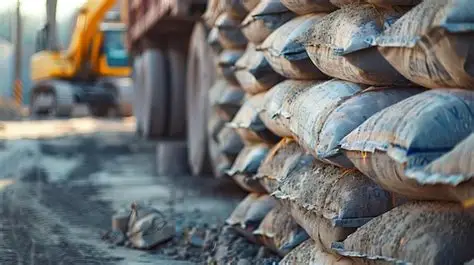
China’s green cement market is experiencing significant growth as the country intensifies efforts to decarbonize one of the world’s largest construction sectors. China produces more than 2 billion tons of cement annually, accounting for over half of global cement output, while its urban population exceeds 930 million people, representing an urbanization rate of more than 66%. The construction industry contributes approximately 6–7% of national GDP, supported by extensive investments in transportation, renewable energy, industrial modernization, and smart-city development. China also operates the world’s largest high-speed rail network, spanning over 48,000 kilometers, and continues to expand green infrastructure projects nationwide. As the country advances toward its carbon-neutrality ambitions and promotes sustainable building standards, demand for green cement is increasing across residential, commercial, industrial, and infrastructure applications, positioning the material as a cornerstone of China’s low-carbon construction transition.
Key Market Drivers for China’s Green Cement Industry
Infrastructure Modernization and Urban Redevelopment Fuel Demand for Sustainable Construction Materials
China continues to invest heavily in transportation infrastructure, high-speed rail networks, urban transit systems, data centers, and utility upgrades. The country operates more than 48,000 kilometers of high-speed rail, the largest network globally, while ongoing infrastructure investments continue to support large-scale construction activity. Urban redevelopment projects across major cities are increasing demand for environmentally friendly building materials. Green cement is increasingly favored for projects seeking to reduce embodied carbon emissions while maintaining structural performance and durability.
Rapid Urbanization and Green Building Expansion Accelerate Market Adoption
China’s urban population exceeds 930 million people, creating sustained demand for residential, commercial, and mixed-use developments. The country has become one of the world’s largest green building markets, with green-certified building floor space exceeding billions of square meters. Developers are increasingly pursuing sustainable construction certifications and ESG objectives, creating strong demand for low-carbon building materials. Green cement provides a practical solution for reducing lifecycle emissions while supporting energy-efficient and environmentally responsible building practices.
Industrial Decarbonization and Carbon Neutrality Goals Support Low-Carbon Cement Demand
China has committed to achieving carbon neutrality by 2060 and reaching peak carbon emissions before 2030. The cement industry, which accounts for a significant share of industrial emissions, is under increasing pressure to adopt cleaner production methods. Manufacturers are investing in clinker reduction, alternative fuels, carbon capture technologies, and industrial waste utilization to lower emissions. These initiatives are accelerating the adoption of green cement products across infrastructure, industrial, and commercial construction segments.
Government Support and Sustainability Initiatives Backed by Carbon Neutrality Goals and Green Development Policies
China’s green cement market is receiving strong support from national decarbonization policies aimed at achieving carbon neutrality by 2060 and reducing emissions from energy-intensive industries. The construction sector is a major focus area, supported by rapidly expanding green building programs and clean energy investments. China has installed more than 1,400 GW of renewable energy capacity, making it the world’s largest renewable energy market, while green building floor space has expanded to billions of square meters nationwide. Additionally, ongoing investments in sustainable urban development, energy-efficient infrastructure, and industrial modernization are encouraging wider adoption of low-carbon construction materials, creating significant opportunities for green cement utilization.
Competitive Landscape Supported by Massive Cement Production Capacity and Growing Sustainable Construction Requirements
China’s green cement market operates within the world’s largest cement industry, with annual production exceeding 2 billion tons and supported by an urban population of more than 930 million people. Manufacturers are increasingly investing in clinker-substitution technologies, carbon capture solutions, waste heat recovery systems, alternative fuels, and industrial by-product utilization to reduce emissions and comply with evolving environmental regulations. Competition is primarily based on carbon-reduction performance, production efficiency, sustainability credentials, product quality, and technological innovation. As demand for green buildings, renewable energy infrastructure, electric vehicle manufacturing facilities, and low-carbon industrial projects continues to increase, suppliers offering advanced sustainable cement solutions are expected to strengthen their market position.
Major Challenges Facing China’s Green Cement Industry
High Decarbonization Costs and Technology Investment Requirements
Transitioning to low-carbon cement production requires significant capital expenditure on emissions-reduction technologies, carbon capture systems, and energy-efficient manufacturing processes. Balancing sustainability objectives with cost competitiveness remains a major challenge for producers.
Overcapacity and Regulatory Compliance Pressures
China’s cement industry continues to face production overcapacity in certain regions, creating pricing pressure and operational challenges. In addition, manufacturers must comply with increasingly stringent environmental and carbon-emission regulations, requiring continuous investments in modernization and sustainability initiatives.
Future Outlook
China’s green cement market is expected to experience substantial growth through 2035, supported by annual cement production exceeding 2 billion tons, urbanization above 66%, and the country’s commitment to achieving carbon neutrality by 2060. Rising investment in green buildings, renewable energy installations, electric vehicle infrastructure, and sustainable urban redevelopment will continue to drive demand for low-carbon construction materials. Furthermore, advancements in carbon capture technology, alternative binders, industrial waste utilization, and clinker-reduction methods are expected to strengthen market growth. Green cement will play an increasingly important role in supporting China’s transition toward a more sustainable and resource-efficient construction sector.
Consultants at Nexdigm, in their latest publication “ China Green Cement Market Outlook to 2035,” analyse the sector By Cementitious Material Type (PLC Type I, PLC Type II and PLC Type III), By Production Technology (Waste Heat Recovery Systems and Oxygen-Fuel Combustion) and By Distribution Channel (Direct to Construction Groups, Government Tendering Portals and Regional Bulk Distributors).
Nexdigm suggests that businesses in China’s Green Cement Industry focus on accelerating carbon-reduction technologies, expanding the utilization of industrial by-products, and strengthening collaborations with green infrastructure and sustainable construction stakeholders to capitalize on the growing demand for low-carbon building materials and environmentally responsible urban development projects.
Tio take the next step, simply visit our Request a Consultation page and share your requirements with us.
Harsh Mittal
+91-8422857704