
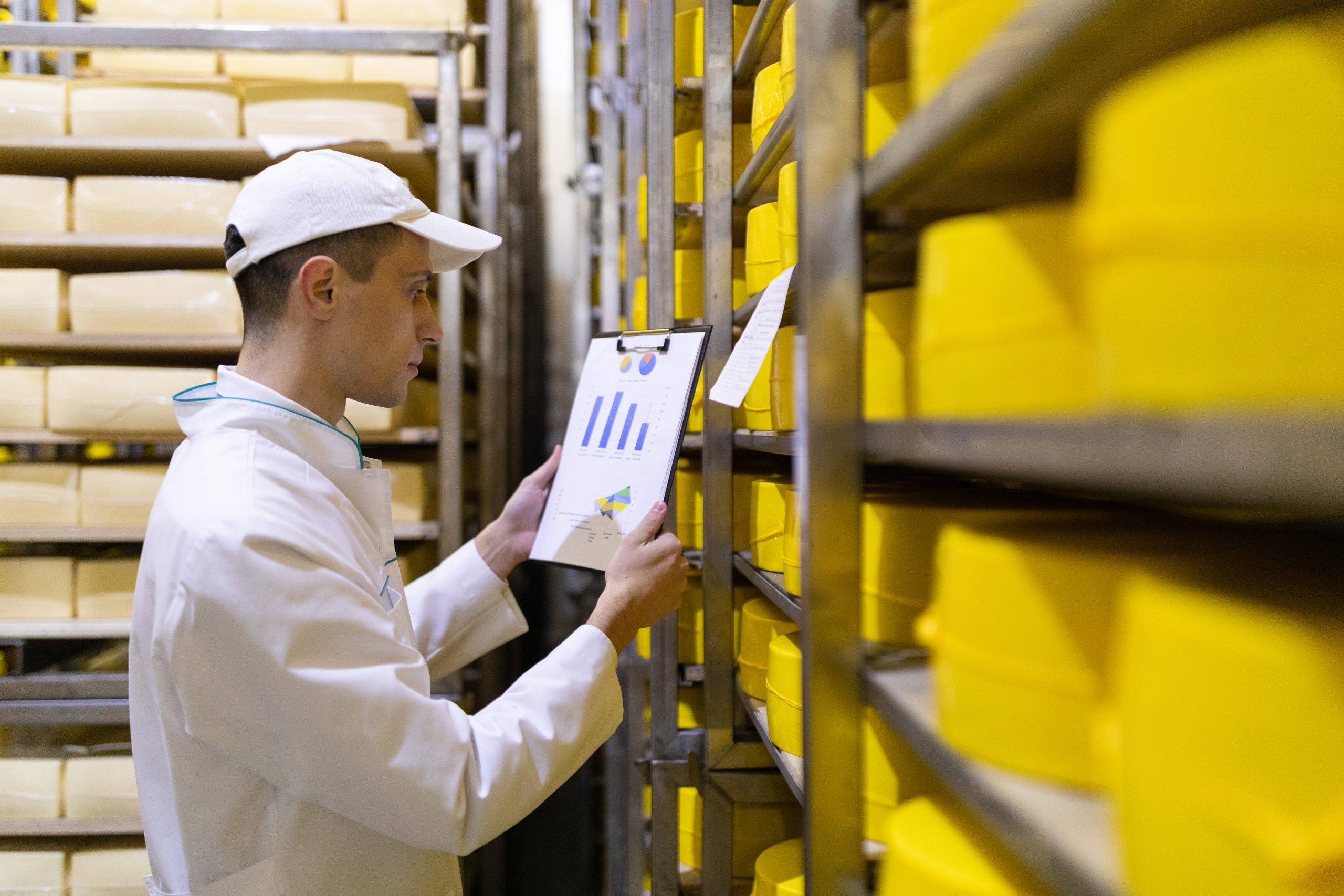
Cold storage is becoming a critical part of modern food and pharmaceutical supply chains. Growing consumption, food processing, exports, organized retail, and temperature-sensitive medicines are increasing the need for reliable cold-chain infrastructure.
India’s cold-storage network is expanding, but capacity remains uneven across regions and applications. As of FY2025–26, 408 integrated cold-chain projects had been approved under PMKSY, with 300 completed, creating 10.06 lakh MT of cold-storage, controlled-atmosphere, and deep-freezer capacity.
However, capacity alone does not determine market opportunity. The location, temperature specification, customer base, transportation connectivity, energy costs, and utilization of facilities can be equally important.
A Cold storage logistics market assessment helps organizations identify where demand is growing, which capacity gaps matter most, and where investment can create sustainable value.
Nexdigm connects these market signals to provide a practical view of cold-chain demand across food, pharmaceuticals, distribution, and temperature-controlled logistics.
How Nexdigm Reads the Cold Storage Demand
Cold-storage demand is becoming more diversified. Food companies require facilities for fruits, vegetables, dairy, meat, seafood, frozen foods, and processed products. Pharmaceutical companies need controlled environments for medicines, vaccines, biologics, and other temperature-sensitive products.
Nexdigm separates these demand pools to understand the specific capacity requirements behind each market.
This distinction matters because a facility designed for frozen food may not satisfy pharmaceutical requirements, while a general cold store may not provide the controlled-atmosphere capabilities required for certain fresh produce.
Mapping the Capacity Shortage
Nexdigm compares cold-storage capacity with agricultural production, pharmaceutical clusters, food-processing centers, consumption markets, ports, airports, and distribution hubs.
This reveals locations where additional facilities could reduce transportation distances, improve product availability, support exports, or reduce temperature-related losses.
The assessment also considers whether gaps exist in storage, refrigerated transportation, packhouses, ripening facilities, or specialized temperature-controlled infrastructure.
Nexdigm’s Cold-Chain Logistics Assessment Framework
Nexdigm conducts Cold-Chain Logistics Market Assessment which evaluates market attractiveness and investment potential across three key dimensions. The assessment framework helps organizations with cold-chain infrastructure investments through:
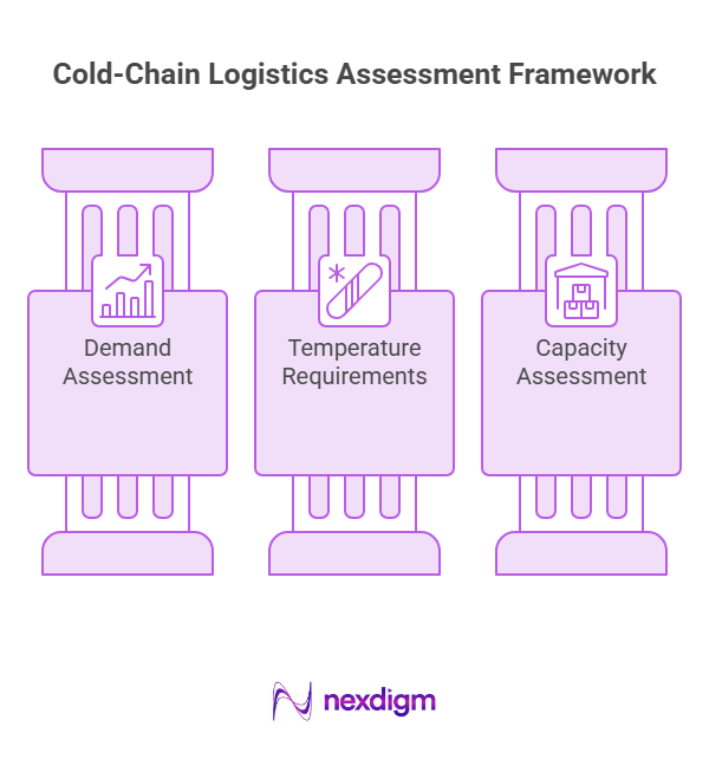
- Demand Assessment: Assessment of the current and future demand for temperature-controlled storage across key end-use sectors. The analysis evaluates consumption patterns, industry growth, distribution requirements, and market trends that drive cold-chain infrastructure needs.
- Temperature Requirements Assessment: Evaluation of the storage conditions required for different product categories, including chilled, frozen, controlled-atmosphere, and pharmaceutical products. The assessment identifies specialized temperature requirements that may create differentiated market opportunities.
- Capacity Assessment: Reviewing existing and planned cold-storage infrastructure to understand supply-demand dynamics, facility quality, utilization levels, and regional capacity gaps. This helps identify markets where additional cold-chain investment may be required.
Nexdigm’s Cold-Chain Market Insights
Based on the Cold-Chain Logistics Market Assessment, Nexdigm identifies the key market trends, demand drivers, and infrastructure dynamics shaping the cold-chain sector. This section highlights areas of strong growth, emerging storage requirements, regional capacity gaps, and other market factors that influence investment attractiveness and long-term operational potential.
Strategic Recommendations by Nexdigm’s Experts
Analyzing the assessment findings, Nexdigm provides strategic recommendations to help stakeholders capitalize on identified opportunities and address market challenges.
These recommendations include capacity expansion priorities, location-specific investment strategies, facility modernization initiatives, and service enhancements designed to improve competitiveness and support sustainable growth.
Connecting Food and Pharma Opportunities with Nexdigm
Food and pharmaceutical products are among the fastest-growing users of temperature-controlled logistics. While both sectors require reliable cold-chain infrastructure, their storage, handling, and compliance requirements differ significantly.
Nexdigm evaluates demand patterns, product requirements, and supply chain locations to determine where cold-chain investments can generate the strongest returns while supporting multiple industries. The key areas of assessment include:
- Food Supply Chains: Nexdigm analyzes the movement of fresh produce, dairy, meat, seafood, and processed foods to identify regions requiring cold storage, transportation, and distribution infrastructure to reduce spoilage and improve market access.
- Pharmaceutical Distribution Networks: The assessment examines pharmaceutical manufacturing hubs, vaccine distribution channels, and healthcare demand centers to determine the need for specialized temperature-controlled warehousing and compliant transportation solutions.
- Multi-Commodity Infrastructure Opportunities: Nexdigm identifies facilities that can efficiently serve both food and pharmaceutical customers, improving asset utilization, diversifying revenue streams, and enhancing the commercial viability of cold-chain investments.
- Specialized Cold-Chain Requirements: Certain products require highly controlled environments, advanced monitoring systems, and regulatory compliance. Nexdigm evaluates whether dedicated infrastructure is required to meet product integrity and quality standards.
This helps identify future opportunities for multi-commodity facilities as well as specialized infrastructure.
Nexdigm’s Case
A food and pharmaceutical logistics provider took Nexdigm’s support to assess regional cold-storage demand and identify an underserved distribution zone. After implementing the findings, storage utilization increased 30%, temperature-controlled shipment capacity rose 25%, product spoilage declined 19%, and delivery reliability improved 22%, strengthening network performance.
To take the next step, simply visit our Request a Consultation page and share your requirements with us.
Harsh Mittal
+91-8422857704