

For decades, compact cars represented the entry point into personal mobility for millions of consumers. They offered an attractive balance of affordability, fuel efficiency, maneuverability, and lower ownership costs. However, in recent years, the segment has faced mounting pressure from SUVs, crossovers, and evolving consumer preferences.
Hence, a comprehensive Compact car market opportunity study suggests that while the segment may not return to its historical dominance, it remains strategically positioned to capitalize on changing affordability dynamics and urban mobility requirements.
Understanding the Compact Cars Segment
Compact cars are designed to make everyday mobility simple, affordable, and efficient. Known for their lower purchase costs, fuel efficiency, and easy maneuverability, they are particularly popular among urban commuters, first-time car buyers, and cost-conscious consumers.
For many households, compact cars have long served as a practical entry point into personal vehicle ownership. Even as SUVs and crossovers gain popularity, compact cars continue to appeal to buyers looking for reliable transportation, lower running costs, and convenience in increasingly crowded urban environments.
The Growing Demand of Compact Cars
Despite growing competition from SUVs and crossovers, compact cars remain an important part of the automotive market. Their affordability, fuel efficiency, and suitability for urban mobility continue to make them a practical choice for many consumers. These advantages continue to support the segment’s relevance and future growth potential:
Affordability a Strategic Advantage
Vehicle prices across categories have increased significantly due to inflationary pressures, technology integration, regulatory compliance costs, and supply chain challenges. For first-time buyers, young professionals, and budget-conscious households, affordability is becoming a primary purchase determinant. Compact cars continue to offer:
- Lower acquisition costs
- Better fuel economy
- Reduced insurance expenses
- Lower maintenance requirements
- Improved total cost of ownership (TCO)
As consumers become more value-focused, these advantages create favorable conditions for segment revival.
Urbanization Supports Compact Mobility
Cities continue to struggle with traffic congestion, increasing vehicle density and limited parking infrastructure. In such environments, compact cars provide practical benefits that larger vehicles often cannot match. Urban consumers prioritize:
- Ease of parking
- Better maneuverability
- Lower operating costs
- Efficient city commuting
Changing Demographics Are Reshaping Demand
Younger consumers often evaluate vehicles differently than previous generations. Rather than focusing exclusively on vehicle dimensions, they increasingly assess how effectively a vehicle fits into their lifestyle. Compact cars equipped with the following features satisfy their demands:
- Financial flexibility
- Sustainability
- Practical usage
- Technology features
Assessing Segment Economics
While consumer demand is important, the economics of the segment ultimately determine long-term viability. Compact vehicles traditionally operate with thinner margins compared to premium SUVs. Manufacturers often face pressure from:
- Rising material costs
- Regulatory compliance expenses
- Electrification investments
- Competitive pricing dynamics
However, despite narrower margins, compact cars provide significant benefits of:
- High-volume sales potential
- Strong brand-entry opportunities
- Customer lifecycle expansion
- Fleet and mobility market access
The segment’s affordability advantages, urban relevance, and ability to attract first-time buyers continue to support its strategic importance. As economic and mobility trends evolve, the important question is not whether compact cars remain relevant, but whether these strengths are sufficient to drive a meaningful market innovation.
Can the Compact Cars Regain Momentum?
The answer is yes. While SUVs and crossovers continue to dominate consumer preferences, compact cars retain strong advantages in affordability, fuel efficiency, and urban practicality. Rising ownership costs, increasing urban congestion, and growing demand for cost-effective mobility solutions could create new opportunities for the segment.
At Nexdigm, evaluating the future potential of compact cars requires a deeper understanding of affordability trends, consumer behavior, competitive dynamics, and ownership economics. By analyzing these factors, businesses can identify where demand is likely to emerge and develop strategies that align with evolving market realities.
Nexdigm in Turning Market Signals into Growth Momentum
At Nexdigm, understanding whether compact cars can regain momentum involves looking beyond surface-level sales trends and examining broader market fundamentals. The strategic market research and advisory approach help stakeholders evaluate:
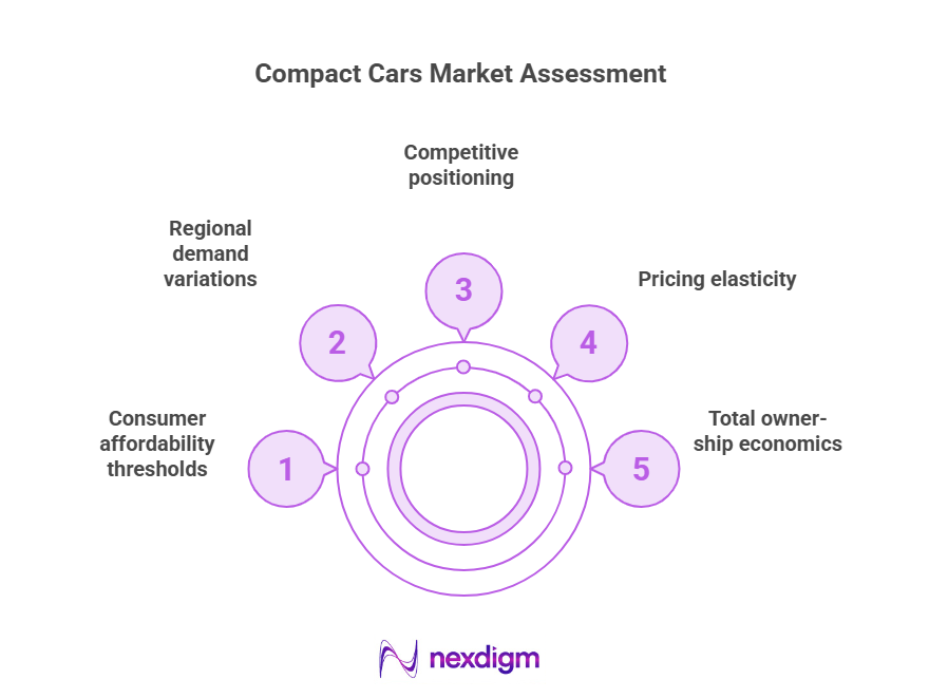
- Consumer affordability thresholds: Determines the price points and ownership costs consumers are willing and able to bear in different markets.
- Regional demand variations: Analyzes geographic differences in consumer preferences, purchasing behavior, and market growth potential.
- Competitive positioning: Assesses how compact cars compare against competing vehicle segments in terms of value, features, and appeal.
- Pricing elasticity: Evaluates how changes in vehicle pricing influence consumer demand and purchase decisions.
- Total ownership economics: Examines fuel, maintenance, insurance, and operating costs that impact long-term ownership affordability.
By combining these insights, Nexdigm helps organizations identify growth opportunities, refine market strategies, and make informed decisions that align with changing consumer expectations and compact car market dynamics.
Nexdigm’s Case
Nexdigm supported an automotive player in reassessing India’s compact-car opportunity as hatchback sales reached 107,602 units in July 2026, up 44% YoY. The assessment identified affordability and urban practicality as growth levers, enabling sharper pricing and stronger segment economics.
To take the next step, simply visit our Request a Consultation page and share your requirements with us.
Harsh Mittal
+91-8422857704