
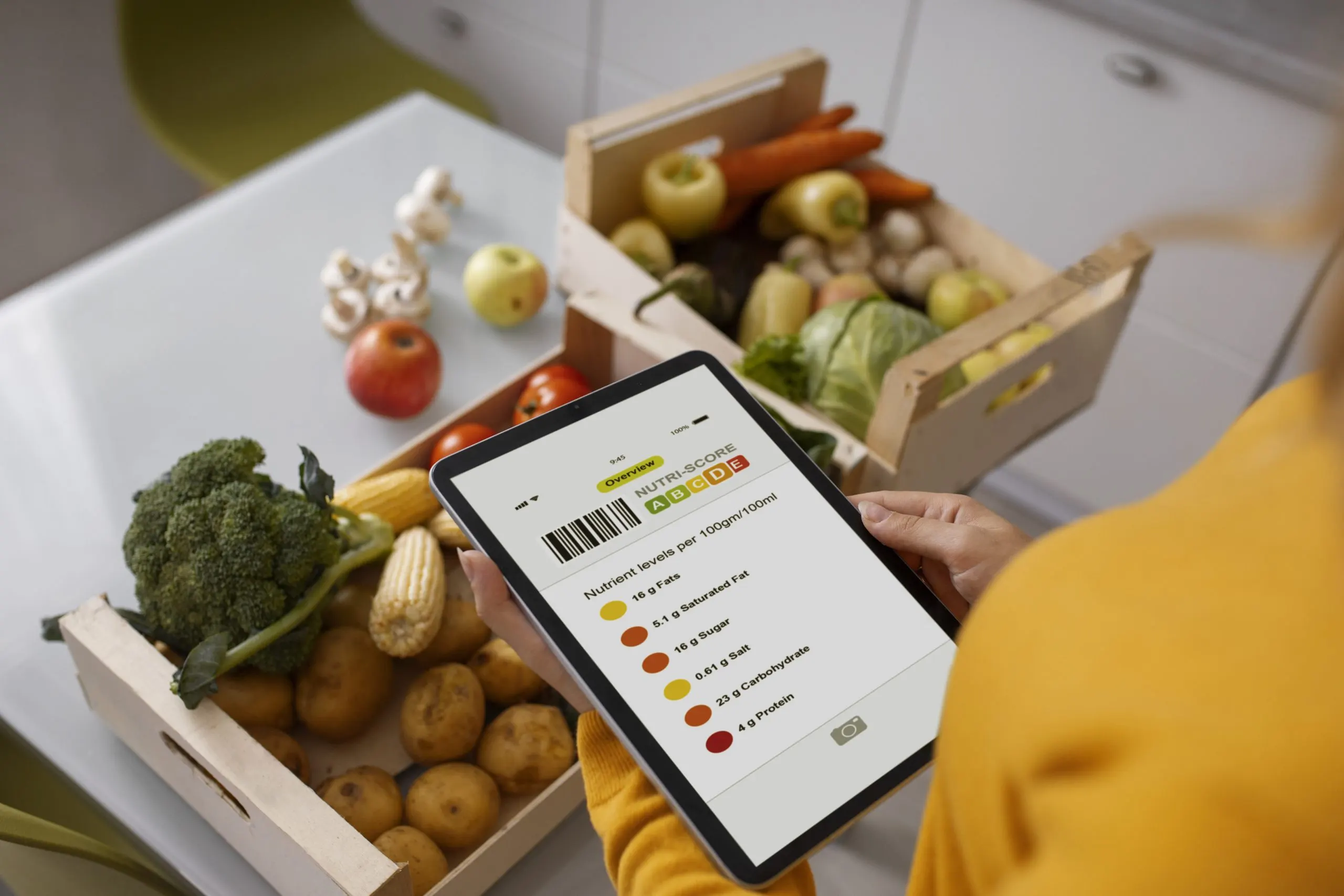
In highly competitive food markets, brand loyalty is increasingly shaped by consumer satisfaction rather than price alone. Consumer satisfaction benchmarking combined with competitive intelligence enables food companies to measure satisfaction scores, repeat purchase behavior, product quality perception, and service experience against industry peers. Competitive intelligence further helps brands understand how competitors are improving loyalty, engagement strategies, and satisfaction drivers across categories.
The global food industry shows that brands with higher consumer satisfaction scores achieve 20–30% stronger repeat purchase rates and up to 15% higher revenue stability compared to low-performing peers. Studies indicate that a 5-point improvement in satisfaction scores, when tracked with competitive intelligence, can increase loyalty retention by nearly 10–12%. Additionally, dissatisfied customers are 60% more likely to switch brands, highlighting the importance of continuous satisfaction tracking and competitive intelligence monitoring.
Edging Competitive Intelligence in Consumer Satisfaction Benchmarking
Competitive intelligence in consumer satisfaction benchmarking involves Consumer satisfaction data food markets and food customer experience benchmarking analyzing competitor satisfaction scores, loyalty drivers, feedback patterns, and engagement strategies. It helps identify gaps, predict loyalty shifts, and improve customer experience strategies to strengthen long-term brand preference:
-
Competitor Satisfaction Score and Loyalty Comparison
Competitive intelligence helps track competitor satisfaction ratings and loyalty metrics, enabling evaluation of relative brand performance and identification of improvement opportunities in food markets.
-
Consumer Feedback and Sentiment Analysis
Using competitive intelligence, brands analyze reviews, ratings, and sentiment trends to understand consumer perceptions and align offerings with evolving expectations across competitors.
-
Product Experience and Quality Perception Benchmarking
Competitive intelligence supports evaluation of taste, packaging, and consistency benchmarks, helping enhance product experience and strengthen satisfaction-driven loyalty against competitors.
-
Customer Retention and Repeat Purchase Insights
By integrating competitive intelligence, companies compare retention rates and repeat purchase behavior to identify loyalty drivers and optimize engagement strategies effectively.
-
Service Experience and Engagement Benchmarking
Competitive intelligence enables assessment of customer service, delivery, and engagement touchpoints to improve satisfaction and benchmark against leading industry players.
Nexdigm’s Benchmarking for Food Brand Loyalty Strategy
Uses of Nexdigm benchmarking and competitive intelligence for food brand loyalty strategy include consumer satisfaction benchmarking food industry and food brand loyalty analytics in analyzing satisfaction data, loyalty drivers, and competitor performance to identify gaps. It helps brands improve customer experience, strengthen retention, and optimize engagement strategies.
The Impact of Nexdigm Benchmarking on Consumer Satisfaction and Loyalty
The impact of Nexdigm benchmarking and competitive intelligence on food market loyalty includes identifying satisfaction gaps, improving product experience, enhancing engagement strategies, and strengthening retention while maintaining strong competitive positioning in experience-driven markets.
-
Satisfaction Score Benchmarking and Gap Identification
Competitive intelligence helps analyze consumer satisfaction scores across competitors to identify gaps and refine strategies for improved brand loyalty and experience outcomes.
-
Feedback Analysis and Experience Optimization
Using competitive intelligence, brands evaluate consumer feedback and sentiment trends to enhance product experience and strengthen emotional brand connection effectively.
-
Retention Rate and Loyalty Performance Benchmarking
Competitive intelligence enables assessment of customer retention and repeat purchase rates to improve loyalty programs and long-term engagement strategies.
-
Service Quality and Engagement Improvement Insights
By leveraging competitive intelligence, companies compare service and engagement metrics to optimize customer touchpoints and enhance satisfaction-driven loyalty performance.
-
Competitive Loyalty Strategy and Market Response
Competitive intelligence allows brands to respond quickly to loyalty trends, ensuring stronger retention strategies and sustained brand preference in dynamic food markets.
Nexdigm’s Case:
Nexdigm partnered with a food company facing declining loyalty and satisfaction. Using benchmarking and competitive intelligence, it analyzed feedback and competitors, improving satisfaction by 14–18% and repeat purchases by 12%, strengthening loyalty and retention.
To take the next step, simply visit our Request a Consultation page and share your requirements with us.
Harsh Mittal
+91-8422857704