
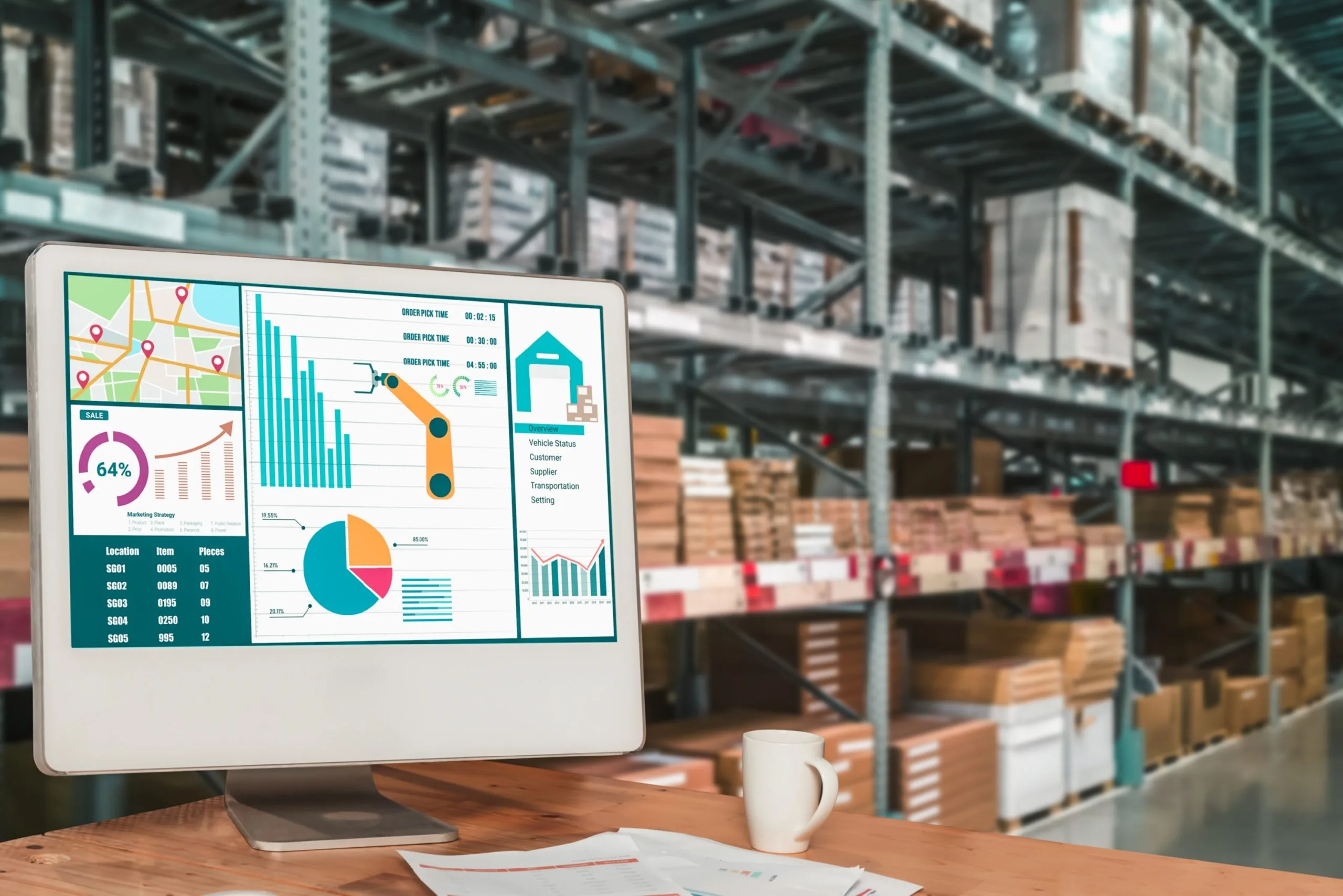
Department store pricing benchmarking analysis helps multi-category retailers evaluate price competitiveness across apparel, beauty, home, electronics, and other product segments. By combining competitor intelligence, assortment comparisons, promotional tracking, and customer demand insights, comprehensive Pricing Analysis reveals pricing gaps and margin opportunities.
Effective department store pricing benchmarking analysis also supports category-level price architecture, regional differentiation, markdown planning, and omnichannel consistency. These insights enable retailers to strengthen value perception, protect profitability, respond faster to market changes, and establish disciplined pricing strategies across diverse brands, departments, customer segments, and sales channels more effectively.
Research indicates that a 1% price increase can raise operating profit by 8.7%, assuming stable sales volume, while advanced retail pricing engines may deliver up to 3% growth in revenue and profit, demonstrating the measurable value of structured pricing analysis.
Multi-Category Retail Pricing Analysis for Stronger Market Positioning
Multi-category retail pricing analysis helps department stores strengthen market positioning by aligning prices, promotions, assortments, and customer value across diverse categories, channels, locations, and competitive environments with greater precision overall. Its core benefits are:
- Assortment Rationalization: Identify overlapping, underperforming, and strategically important products, helping retailers simplify assortments, improve price clarity, strengthen category productivity, and allocate shelf space more effectively.
- Vendor Negotiation Assistance: Provide pricing, margin, and competitor evidence for supplier discussions, helping retailers secure improved terms, promotional funding, exclusive products, and stronger commercial partnerships overall.
- Seasonal Planning: Support timely price adjustments across seasonal merchandise, helping retailers capture peak demand, manage inventory exposure, improve sell-through, and reduce end-of-season markdown requirements.
- Premiumization Analysis: Identify opportunities to introduce higher-value products, exclusive collections, and elevated services, supporting customer trade-ups, stronger differentiation, and increased average transaction values across departments.
Nexdigm’s Retail Pricing Intelligence for Stronger Market Positioning
Nexdigm’s retail pricing intelligence empowers department stores and multi-category retailers with data-driven pricing analysis, competitive benchmarking, and actionable market insights. Our expertise in department store pricing benchmarking analysis, retail price optimization, pricing strategy consulting, competitor price monitoring, and category-level pricing intelligence helps businesses identify pricing opportunities, strengthen market positioning, improve profitability, and deliver consistent customer value across omnichannel retail environments.
Nexdigm’s Integrated Pricing Strategy Model for Department Stores
Nexdigm’s integrated pricing strategy model combines market intelligence, category economics, customer behavior, and governance to strengthen competitiveness, profitability, price consistency, and commercial performance across department store formats and channels. Some of the major strategies in use are:
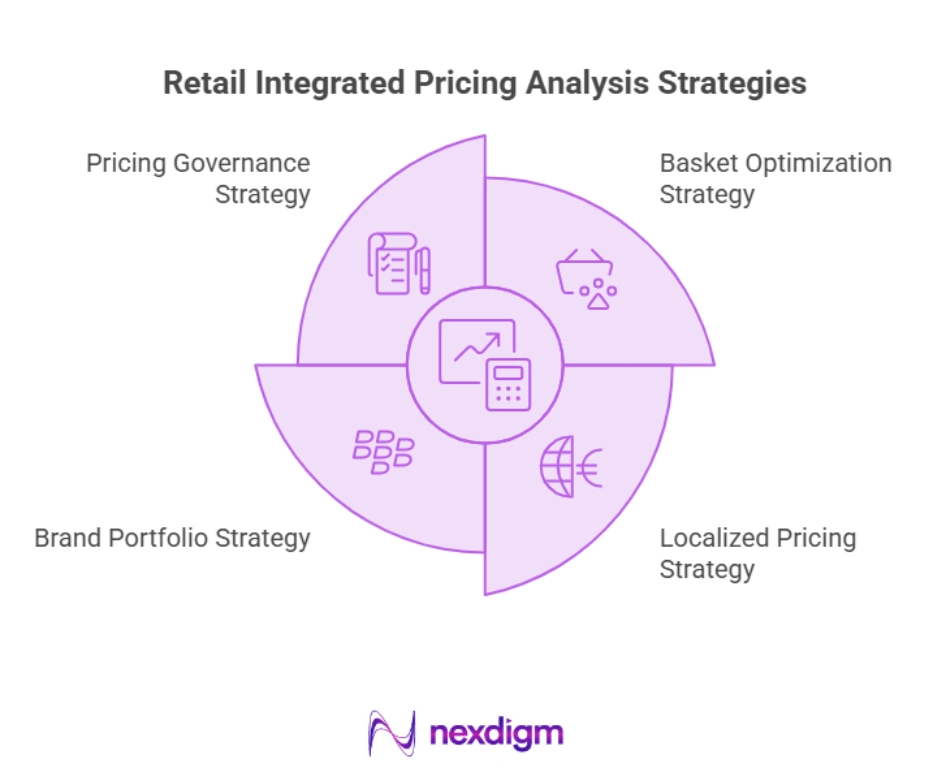
- Basket Optimization Strategy: Assessing how prices across complementary categories influence total spending, enabling coordinated decisions that increase basket value, improve cross-selling, and strengthen overall customer profitability levels.
- Localized Pricing Strategy: Adjusting prices by store cluster, region, competition, demand, and customer profile, improving local relevance while preserving central governance and consistent department store positioning standards.
- Brand Portfolio Strategy: Balancing private labels, national brands, luxury lines, and exclusive collections through differentiated pricing, reinforcing portfolio clarity, customer choice, and profitable category positioning across stores.
- Pricing Governance Strategy: Establishing decision rights, approval workflows, pricing rules, performance measures, and monitoring systems to improve execution accuracy, reduce inconsistencies, and maintain disciplined pricing across business units.
Nexdigm’s Case
Nexdigm supported a department store group by evaluating category prices, competitor positions, promotions, and margin performance. The engagement improved price realization by 7%, increased full-price sales by 11%, reduced markdown dependency, and accelerated pricing decisions by 25%, strengthening profitability and consistency across physical and digital retail channels
To take the next step, simply visit our Request a Consultation page and share your requirements with us.
Harsh Mittal
+91-8422857704