
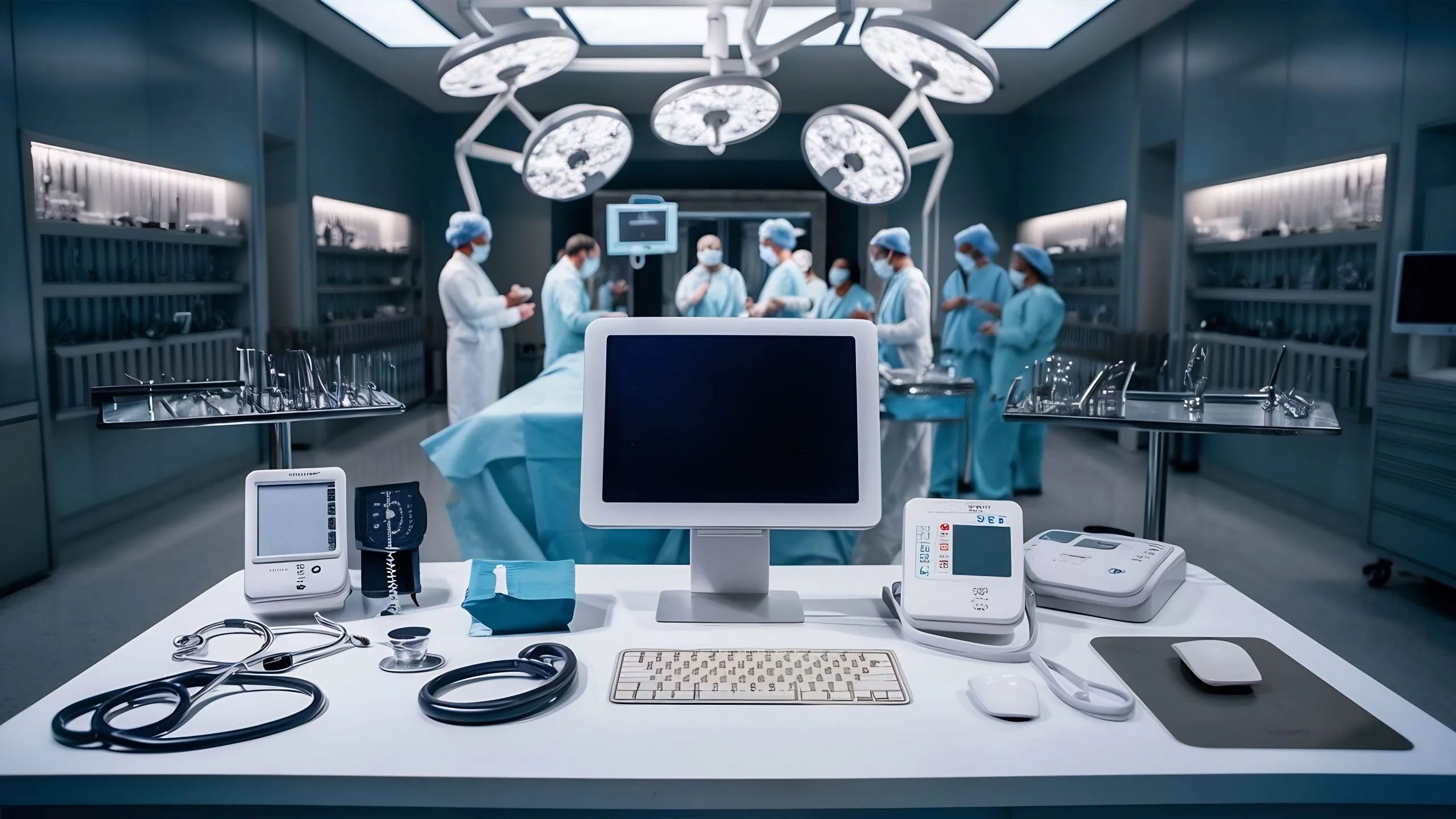
The Egypt Medical Devices Market is set to experience substantial growth as the country’s healthcare sector evolves, driven by increasing demand for advanced medical technologies and government investments. With an expanding population, rising chronic diseases, and growing healthcare infrastructure, Egypt presents a promising market for medical device manufacturers. The market is expected to reach a value of approximately $3.5 billion by next decade, reflecting both local needs and international market integration. This growing demand is supported by improvements in healthcare services and an increasing focus on quality and innovation in medical technologies.
Major Market Growth Drivers of Egypt’s Medical Device Sector
Growing Healthcare Needs
The Egyptian healthcare sector is under increasing pressure to meet the growing demands of its population, which is expected to reach 120 million, in the coming years. Rising cases of chronic diseases like diabetes, cardiovascular disorders, and cancer are contributing to the demand for medical devices. With a high number of people requiring long-term care, the market for diagnostic devices, imaging systems, and patient monitoring devices is expected to see significant growth. This demand, coupled with an expanding healthcare infrastructure, is pushing medical device manufacturers to innovate and meet these needs.
Government Investment and Healthcare Reforms
The Egyptian government is investing heavily in healthcare reforms, aimed at improving access to healthcare and modernizing infrastructure. The government’s health insurance expansion program and public-private partnerships are key drivers of the medical devices market. These initiatives focus on improving healthcare access and enhancing the quality of healthcare services across the country. Additionally, the government is actively fostering domestic manufacturing of medical devices, with various incentives for local production, including tax breaks and funding for healthcare startups.
Technological Advancements and Adoption
Technological advancements are accelerating the growth of Egypt’s medical devices market. Innovations such as telemedicine, artificial intelligence (AI) in diagnostics, and robotic surgery are gaining traction in Egypt’s healthcare system. With healthcare institutions increasingly adopting advanced diagnostic tools and imaging devices, the market for high-tech medical equipment is expected to grow rapidly. The adoption of these technologies is improving the accuracy of diagnoses and treatment plans, contributing to better healthcare outcomes and driving demand for more sophisticated medical devices.
Egyptian Government’s Support to boost Medical Devices Sector
The Egyptian government has been instrumental in boosting the medical devices sector through supportive policies and funding programs. Key initiatives include the health insurance expansion program, which aims to offer comprehensive coverage to all Egyptians by next decade, and funding for local medical device manufacturers. The Ministry of Health has also provided incentives for foreign investors to set up manufacturing facilities, promoting self-sufficiency in medical device production. These efforts are expected to bolster the domestic industry and reduce reliance on imports.
Competitive Environment of Egypt’s Medical Devices Industry
The competitive landscape of Egypt’s medical devices market is evolving with both local and international players. Global companies like Siemens Healthineers, Medtronic, and Philips lead the market in terms of advanced technologies and high-quality devices. However, local manufacturers are increasingly gaining market share by producing more affordable alternatives for essential medical equipment. The government’s push for local production is creating opportunities for domestic firms to enter the market and cater to the growing demand for medical devices. Collaboration between international and local players is also on the rise.
Market Barriers faced by Egypt’s Medical Devices Industry
Regulatory Hurdles
Despite rapid growth, the Egyptian medical device market faces challenges related to regulatory approval and market access. Regulatory processes for medical devices in Egypt can be complex and time-consuming, particularly for foreign manufacturers looking to enter the market. Strict guidelines around product registration, testing, and certification can delay product launches and increase costs for companies. However, the government is working to streamline regulatory procedures, which could improve the overall ease of doing business in the sector.
Limited Domestic Production Capacity
Although the Egyptian government is encouraging local production of medical devices, the country still faces a significant gap in manufacturing capacity. Many medical devices are still imported, which leads to higher costs for hospitals and healthcare providers. Expanding local manufacturing capabilities will be crucial to meeting the rising demand and reducing reliance on imports. Efforts to establish more manufacturing plants and attract foreign investment are underway, but challenges remain in building a competitive local production ecosystem.
Future Outlook
Looking towards the future, Egypt’s medical devices market is poised for continued growth, driven by healthcare reforms, technological innovation, and increased government support. The market is expected to reach a value of $3.5 billion, with significant investment in both domestic manufacturing and advanced medical technologies. As the demand for medical devices continues to rise, especially in diagnostics and monitoring, businesses in the sector will benefit from the expanding healthcare infrastructure and greater access to financing. In addition, the increasing adoption of AI and robotics will further accelerate market growth, positioning Egypt as a key player in the Middle East and North Africa’s healthcare landscape. The future of Egypt’s medical devices market looks bright, with ongoing opportunities for innovation and market expansion.
Consultants at Nexdigm, in their latest publication Egypt Medical Devices Market Outlook 2035, analyze the sector by System Type (Teleconsultation Services, Remote Patient Monitoring Systems, Telemedicine Software Platforms, Mobile Health Applications and Telemedicine Integration Systems), by End User Segment (Hospitals, Clinic and Healthcare Providers and Patients).
Nexdigm suggests that businesses should consider partnerships with local manufacturers to reduce costs and align with government initiatives promoting domestic production. Strengthening regulatory knowledge and building relationships with key stakeholders in the healthcare sector will also be essential for navigating the complexities of Egypt’s medical devices market.
To take the next step, simply visit our Request a Consultation page and share your requirements with us.
Harsh Mittal
+91-8422857704