
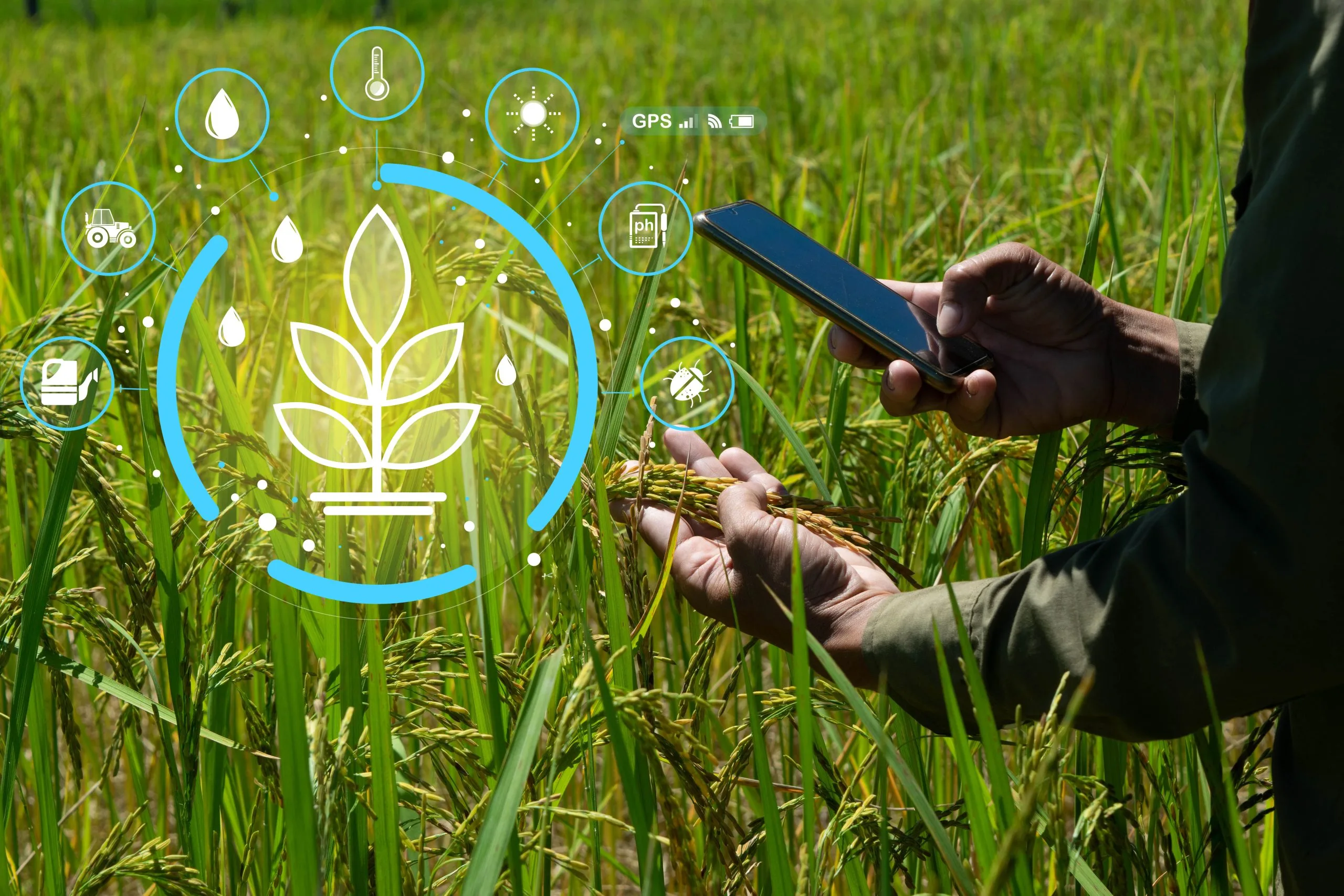
Farmer network strategies play a vital role in improving adoption and market penetration across agricultural communities. By building trusted relationships among farmers, cooperatives, input suppliers, buyers, and extension workers, these strategies help spread awareness, increase product acceptance, and strengthen local participation.
Farmer network development strategy supports knowledge sharing, peer influence, and collective decision-making, which are essential for introducing new agricultural products or services. As a market entry strategy, farmer networks allow organizations to understand rural needs, reduce entry barriers, and create sustainable demand. This approach improves outreach, builds trust, and supports long-term growth in agricultural markets.
Globally, agriculture employed about 892 million people in 2022, equal to 26.2% of total employment, showing the scale of farmer-based markets. Small family farms, which make up five out of every six farms worldwide, produce around 35% of the world’s food on only 12% of agricultural land. These figures show why a Farmer network development strategy is important for adoption, trust-building, and market penetration in rural communities.
Strengthening Local Farmer Networks to Improve Product Adoption
Strengthening local farmer networks enhances product adoption by fostering trust, peer-to-peer learning, and knowledge sharing. These networks encourage farmers to adopt new technologies and practices, accelerating market entry, increasing acceptance, and supporting long-term agricultural growth:

-
Building Farmer Trust
Trust encourages farmers to try new products, accept recommendations, and support wider adoption within their local agricultural communities.
-
Peer-to-Peer Learning
Farmers learn faster from other farmers’ experiences, demonstrations, and practical results within familiar local networks.
-
Lead Farmers
Lead farmers influence adoption by testing products first and sharing successful outcomes with nearby farming groups.
-
Knowledge Sharing Platforms
Regular meetings, training sessions, and field demonstrations help farmers understand product benefits and correct usage.
Nexdigm’s Go-to-Market Planning for Farmer Network Development
Nexdigm’s Go-to-Market Planning for Farmer Network Development focuses on identifying target farmer groups, mapping rural demand, selecting channel partners, and designing outreach models. This approach helps agricultural businesses build trusted farmer networks, improve product adoption, and create a structured market entry strategy for deeper penetration across farming communities.
How Can Nexdigm Strengthen Rural Market Penetration?
Nexdigm can strengthen rural market penetration by mapping farmer segments, identifying local partners, designing outreach models, and building trusted farmer networks that improve product adoption, market access, and long-term agricultural business growth.
-
Farmer Segment Mapping
Nexdigm identifies key farmer groups, crop patterns, and regional demand to design focused rural market penetration strategies.
-
Local Partner Identification
Nexdigm supports partnerships with FPOs, cooperatives, distributors, and agri-dealers to improve rural reach.
-
Customized Outreach Models
Nexdigm designs farmer engagement programs, demonstrations, and awareness campaigns to increase product understanding and adoption.
-
Market Entry Planning
Nexdigm creates structured go-to-market plans that reduce entry barriers and improve rural market access.
Nexdigm’s case:
Nexdigm helped an agri-input company strengthen rural market penetration by mapping 5,000 farmers across three districts, identifying 40 FPOs and local dealers, and designing farmer demonstration programs. Within six months, the company achieved 30% higher product adoption, 25% wider channel reach, and improved farmer engagement through structured network development.
To take the next step, simply visit our Request a Consultation page and share your requirements with us.
Harsh Mittal
+91-8422857704