
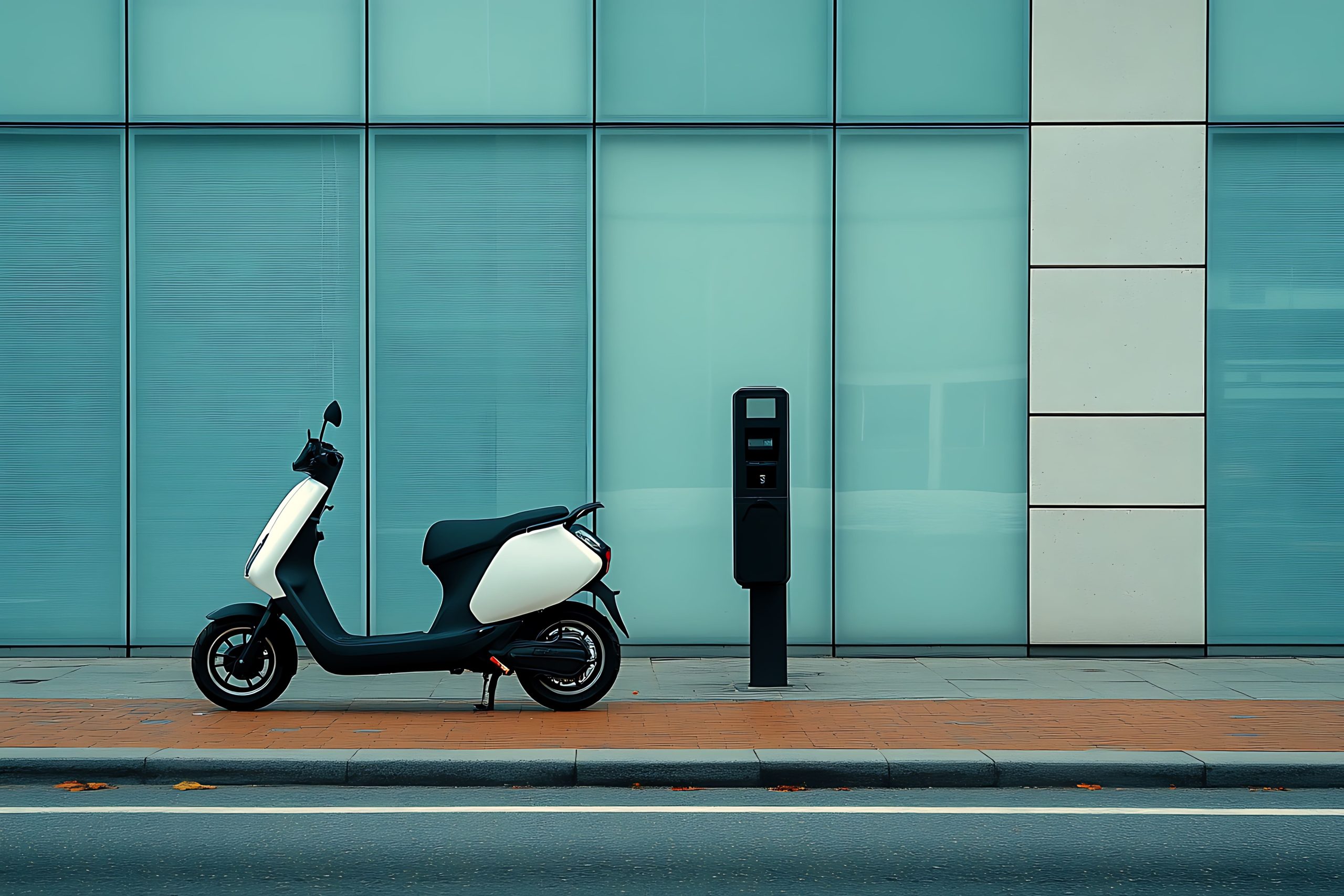
France’s electric two-wheeler market has moved well beyond being a niche urban trend. It now sits at the intersection of transport policy, consumer affordability, and changing city life. In 2026, electric scooters, mopeds, and motorcycles are finding stronger traction in France as more commuters look for practical alternatives to cars in crowded urban areas. Paris remains the clearest example, where traffic restrictions, parking shortages, and low-emission zones have made compact electric mobility far more relevant than it was even five years ago. The appeal is not just environmental. For many riders, the economics are starting to make sense. Fuel prices remain volatile, maintenance is lower than for internal combustion models, and the use case for short urban trips is increasingly obvious. At the same time, adoption is still uneven. Large cities are moving faster, while smaller towns and suburban users continue to weigh cost, charging access, and battery range more cautiously. That gap will shape how the market develops through 2035.
What’s Driving the Electric Two-Wheeler Market in France?
Urban Mobility Is Changing Fast
French cities are becoming less friendly to conventional personal vehicles, and that is quietly reshaping commuter behavior. More people are looking for something lighter, cheaper to run, and easier to park. Electric scooters and mopeds fit that need especially well. In practice, they solve a very specific urban problem: getting through dense traffic without the cost burden of owning a car. This is particularly visible in cities like Paris, Lyon, and Bordeaux, where daily commutes are short enough for battery-powered two-wheelers to work without much compromise. For office workers, students, and part-time gig workers, these vehicles are not aspirational purchases. They are utility machines. That distinction matters because it gives the market a more durable foundation than trend-driven demand.
Fleet Operators Are Becoming Serious Buyers
One of the more overlooked demand pockets in France comes from commercial users. Delivery platforms, courier services, and local logistics operators are steadily replacing petrol scooters with electric models, especially in urban cores where emissions rules are tightening. This shift is less about branding and more about economics. A delivery rider making dozens of short trips a day benefits directly from lower running and servicing costs. Shared mobility operators also play a role, even if the sector has had mixed results. Not every city has embraced shared scooters or mopeds without friction, but they have helped normalize electric two-wheelers for first-time users. A person who rents an e-moped for errands today may be more willing to buy one later. That trial effect is often underestimated.
Better Products Are Finally Reaching the Market
A few years ago, electric two-wheelers often felt like compromised machines – underpowered, awkwardly designed, or too expensive for what they offered. That is changing. Newer models now come with improved range, lighter frames, removable batteries, and better digital interfaces. For many riders, the experience is no longer “good enough for electric.” It is simply good enough. The widening range of products also helps. Budget-conscious buyers can find compact city scooters, while premium brands are testing more performance-oriented electric motorcycles. That broader spread makes the category more credible. It also opens the door to repeat buyers rather than one-time early adopters.
Government-Led Initiatives Supporting Electrification
Public policy has had a clear hand in shaping this market. France’s clean mobility agenda, including vehicle subsidies and low-emission transport rules, has created a more favorable backdrop for electric two-wheelers. Purchase incentives have helped offset the higher upfront cost, while local restrictions on combustion-engine vehicles are making electric alternatives more practical, not just desirable. Still, policy support works best in places where the charging and parking realities line up. Incentives can encourage trial, but they do not solve every on-the-ground issue. That is why city-level implementation matters just as much as national ambition.
Market Competition and Industry Landscape
The market remains fairly competitive, with established names such as BMW Motorrad, Yamaha Motor, and NIU Technologies competing alongside smaller electric mobility brands. Some players are focused on urban commuting, others on premium performance or commercial fleets. Distribution matters more than many assume. A buyer in France still values service access, spare parts, and dealer trust, especially for a relatively new category of vehicle. This is also where the market may begin to split. Brands with reliable after-sales support are likely to outperform those relying only on attractive specifications or low pricing.
High Upfront Cost Still Holds Back Mass Adoption
The biggest barrier remains simple: electric two-wheelers often cost more upfront than petrol alternatives. That is a hard sell for price-sensitive buyers, even when long-term running costs are lower. A common challenge is that many consumers still evaluate these vehicles like short-term purchases, not total-cost-of-ownership decisions. Charging access is another sticking point, particularly for apartment dwellers without private parking. Removable batteries help, but they do not fully solve convenience concerns. Until those everyday frictions become less visible, adoption outside major cities may remain slower than many forecasts suggest.
Future Outlook
Through 2035, France is likely to remain one of Western Europe’s more promising electric two-wheeler markets, particularly in dense urban corridors. Growth will not be uniform, and it probably will not be explosive every year. But the direction is fairly clear. Electric scooters should gain ground fastest, while motorcycles will likely carve out a smaller but more valuable niche among enthusiasts and professional users. Much of the long-term upside will depend on practical factors rather than hype: battery affordability, charging convenience, resale confidence, and city policy consistency. If those pieces improve together, electric two-wheelers could become a mainstream urban transport category in France rather than an alternative one.
Consultants at Nexdigm, in their latest publication “France Electric Two-Wheeler Market Outlook to 2035”, analyzed the market by Vehicle Type (Electric Scooters, Electric Motorcycles, Electric Mopeds), By Battery Type (Lithium-ion, Lead-acid, Swappable Batteries), By End User (Personal Commuters, Delivery Fleets, Shared Mobility Operators), and By Distribution Channel (Dealerships, Online Platforms, Fleet Sales). Nexdigm believes that businesses should prioritize affordable urban-focused models, battery innovation, and strategic partnerships with delivery and mobility service providers to capture long-term growth opportunities in France’s evolving electric mobility landscape.
To take the next step, simply visit our Request a Consultation page and share your requirements with us.
Harsh Mittal
+91-8422857704