
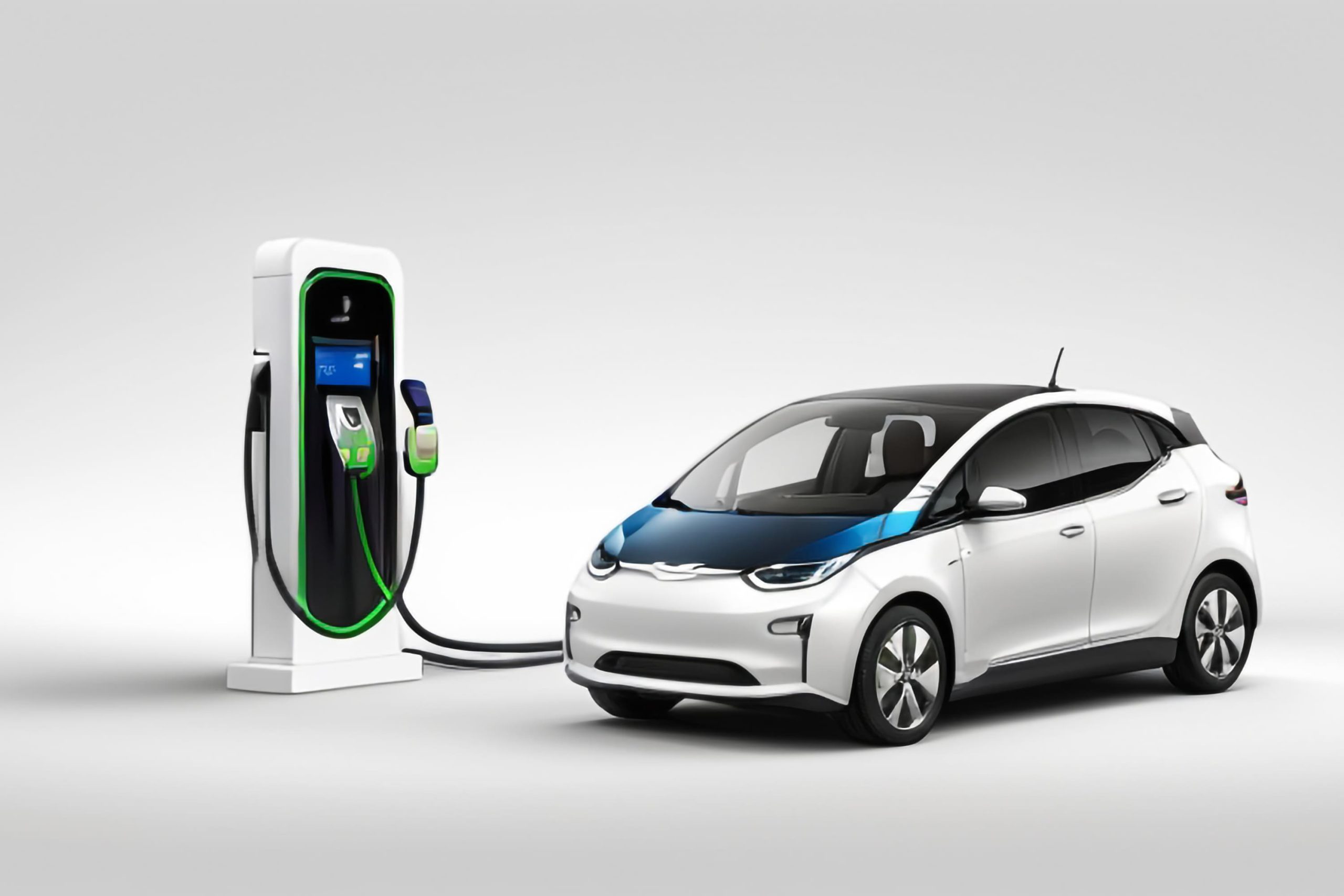
France electric vehicle market has moved well past the “early adoption” phase and is now entering a more commercially meaningful stage. What makes the French market especially interesting is that demand is no longer being shaped only by climate policy or urban buyers wanting a second car. The market is becoming broader, more industrial, and more competitive. By 2026, EV adoption in France is being supported not just by incentives, but also by domestic manufacturing, expanding charging access, and a wider range of practical models for everyday use. France is also becoming one of the more serious EV production bases in Europe, particularly as battery and vehicle assembly investments gather pace.
What’s Driving the Electric Vehicle Market in France?
Consumer Adoption Is Becoming More Mainstream
One of the clearest shifts in France is that electric vehicles are no longer confined to premium buyers or environmentally motivated households. Compact hatchbacks, family crossovers, and city-focused EVs are making the category more accessible to ordinary drivers. That matters because in practice, France is a market where practicality often beats novelty. Consumers want manageable range, realistic charging options, and a monthly cost that feels sensible. This is why smaller electric models from domestic and European brands are doing well. Many buyers are not looking for luxury EVs with oversized batteries. They want a reliable car for commuting, school runs, and occasional intercity travel. That shift toward utility over excitement is helping the category mature.
Local Manufacturing Is Changing the Economics
France is not only trying to sell more EVs, it is trying to build more of them at home. That distinction is important. Battery production projects in northern France, along with local EV assembly initiatives from major automakers, are starting to reshape the economics of the market. Over time, domestic production can reduce import exposure, shorten supply chains, and create better pricing flexibility. Regions such as Hauts-de-France are emerging as important manufacturing zones for batteries and electric vehicles. It is not a guaranteed success story, though. Large industrial projects look impressive on paper, but execution, labor costs, and battery technology choices will determine who actually wins.
Charging Networks and Regulation Are Doing the Quiet Work
Public debate often focuses on incentives, but the less glamorous pieces of the market matter just as much. Charging availability, building-level access, fleet electrification rules, and emissions regulation are quietly doing a lot of the heavy lifting. France has made meaningful progress in charging infrastructure, especially along highways and in urban centers, which reduces one of the biggest psychological barriers to EV adoption. At the same time, tighter European emissions rules are forcing automakers and fleet operators to take electrification seriously. For many companies, switching part of the fleet is no longer a branding exercise. It is becoming a compliance and cost-management decision.
Government-Led Initiatives
French policy has played a major role in getting the market this far, but what stands out is that support has not been limited to consumer rebates. The government has also tried to tackle the affordability problem more directly. The social leasing scheme, for example, brought EV access to lower-income households that would otherwise have remained priced out of the category. That matters because one of the biggest weaknesses in Europe’s EV transition has been the assumption that mass adoption can happen with premium pricing. That said, public support can only go so far. If low-cost EV supply does not keep improving, policy alone will not carry the market through the next decade.
Market Competition
The France electric vehicle market is moderately concentrated, with domestic groups such as Renault and Stellantis holding a strong advantage thanks to brand familiarity, dealer reach, and models tailored to European roads and budgets. Tesla remains influential, especially in shaping consumer expectations around software and performance, but the French market is not built around one premium narrative. Chinese automakers and newer low-cost entrants could become disruptive if they combine decent quality with aggressive pricing. For incumbents, the real pressure may not come from innovation alone, but from who can make EV ownership feel financially normal.
Affordability Still Limits the Pace of Adoption
The biggest challenge in France electric vehicle market is still cost. Even with incentives, many EVs remain too expensive for middle-income households, especially when buyers compare upfront prices against efficient petrol or hybrid alternatives. Consumers may like the idea of electric mobility, but monthly payments tend to decide what actually gets bought. A common challenge is that battery localization and production expansion do not automatically translate into cheaper vehicles in the short term. In fact, the transition period can be expensive. Until affordable EVs become more widely available without heavy state support, adoption will continue but not evenly across all buyer segments.
Future Outlook
France electric vehicle market should see strong momentum through 2035, but the shape of that growth will matter more than the headline numbers. The next phase will likely be less about early enthusiasm and more about whether EVs can become the default choice for ordinary households, used-car buyers, and business fleets. That means affordability, charging convenience, resale confidence, and local manufacturing reliability will matter more than marketing. By 2035, France is likely to be one of Europe’s more mature electric mobility markets, with a stronger domestic production base and a much deeper used-EV segment than it has today.
Consultants at Nexdigm, in their latest publication “France Electric Vehicle Market Outlook to 2035”, analyzed the industry by Vehicle Type (Battery Electric Vehicles, Plug-in Hybrid Electric Vehicles, Hybrid Electric Vehicles), By Vehicle Segment (Passenger Cars, Light Commercial Vehicles, Buses, Trucks), and By End User (Private Buyers, Fleets, Shared Mobility, Commercial Operators). Nexdigm believes that businesses should prioritize affordable EV portfolios, localized battery sourcing, charging ecosystem partnerships, and fleet electrification solutions to capture long-term growth in France’s evolving electric mobility landscape.
To take the next step, simply visit our Request a Consultation page and share your requirements with us.
Harsh Mittal
+91-8422857704