
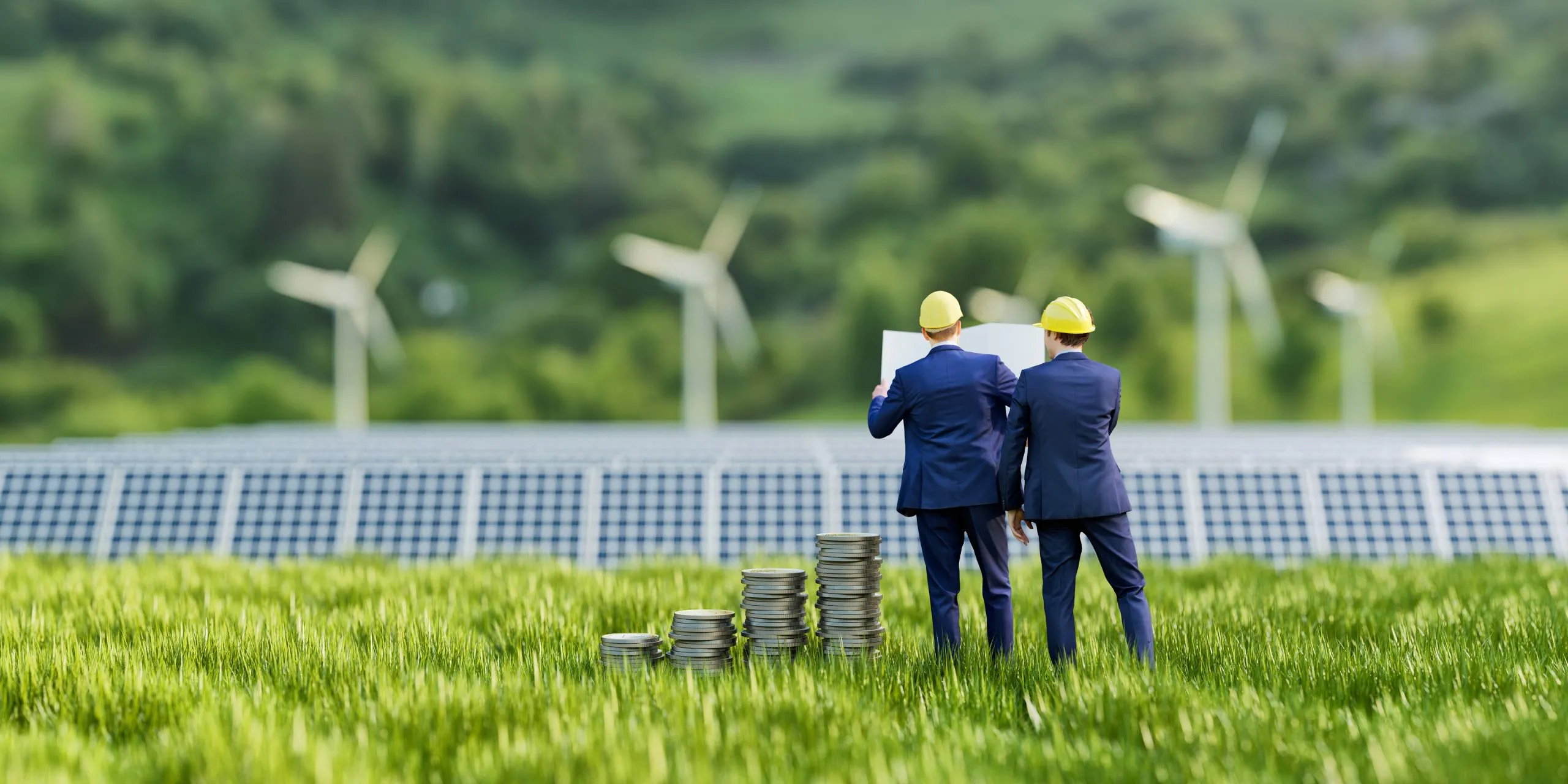
As France continues its ambitious transition towards a sustainable energy future, the renewable energy market is playing a pivotal role in reshaping the country’s energy landscape. The French government has set bold targets to ensure that 40% of electricity comes from renewable sources by next decade. In line with this, the renewable energy sector is growing rapidly, with substantial investments and technological innovations powering the way forward. As solar, wind, and hydroelectric power take center stage, the market presents vast opportunities for growth, while helping France achieve carbon neutrality in the upcoming years. The outlook is bright, and the next decade will see major transformations in how energy is produced and consumed across the country.
Major Drivers of France’s Renewable Energy Market
National Goals Driving Rapid Transition
The main driver of growth in France’s renewable energy market is the country’s ambitious decarbonization strategy. Under the Multiannual Energy Programming (PPE), France aims to generate 40% of its electricity from renewables in the coming years and reduce greenhouse gas emissions in line with European Union climate goals. This transition not only helps combat climate change but also strengthens France’s energy security by decreasing its dependence on fossil fuels. By investing in renewables such as solar, wind, and biomass, France is also diversifying its energy mix to ensure a reliable, sustainable power supply for the future. Government policies, including performance-based incentives and streamlined permits, are making it easier for developers to enter the market and execute large-scale projects efficiently.
Technological Advances Lowering Costs
Over the past decade, there has been a dramatic decline in the costs of key renewable technologies, especially solar and wind energy. Improvements in solar panels, wind turbines, and energy storage systems have made clean energy more accessible and cost-effective for consumers and businesses alike. The rapid evolution of battery storage solutions also ensures that renewable energy, especially from intermittent sources like solar and wind, can be stored and dispatched when needed, making the energy system more stable. With renewable technologies now more affordable than ever, France is positioning itself to lead the renewable transition, creating new opportunities for both domestic and international players to invest in the sector.
Increasing Demand from Consumers and Businesses
On top of strong government policies, consumer demand is also driving growth in the renewable energy market. Both individuals and corporations are increasingly seeking green energy solutions as part of their sustainability commitments. Major businesses are entering into long-term power purchase agreements (PPAs) with renewable energy providers, while consumers are adopting rooftop solar panels and subscribing to green energy tariffs. This heightened demand for renewable energy is creating a robust market for solar and wind projects, benefiting EPC contractors and energy developers who are building the infrastructure needed to support this growing wave of clean energy adoption.
Government Initiatives Shaping the France Renewable Energy Market
Government support has been instrumental in helping France’s renewable energy sector thrive. Through its France innovative future plan, the government has committed €1.5 billion to furthering the development of renewable technologies, including solar, wind, and energy storage. These investments are part of the broader vision to achieve carbon neutrality, in the coming years, and to bolster France’s position as a clean energy leader in Europe. Subsidies, feed-in tariffs, and tax credits for solar projects also play an essential role in encouraging both large and small developers to invest in renewables. These proactive government policies ensure that France stays on track to meet its ambitious renewable energy targets while attracting new investment and driving innovation in the sector.
Competitive Insights of France’s Renewable Energy Market
France’s renewable energy sector is highly competitive, with a mixture of international players and local developers vying for market share. Major energy companies like EDF Renewables, Engie, and TotalEnergies have significantly ramped up their investments in renewable projects, from offshore wind to utility-scale solar farms. However, the competitive landscape is not just dominated by large corporations; numerous smaller independent producers and startups are also making their mark, particularly in niche markets such as distributed generation, energy storage, and hybrid renewable systems. This diversity of players contributes to a dynamic market, fostering innovation, and ensuring that a variety of clean energy solutions are available to meet the needs of different regions and consumers across France.
Challenges Facing the Renewable Energy Market in France
High Initial Investment Costs
While the renewable energy market is growing, capital-intensive investments remain a challenge. The high upfront costs of building large solar farms, offshore wind farms, and extensive energy storage systems can create financial barriers, particularly for smaller developers. While government incentives help reduce some of these costs, securing financing for major projects remains a struggle for some developers. A lack of affordable financing options and risks associated with long project timelines can delay projects or make them economically unfeasible for certain developers, especially those without access to venture capital.
Grid Integration and Infrastructure Constraints
As more renewable energy projects come online, grid integration is becoming a critical issue. The growing demand for renewable energy requires substantial upgrades to the electricity grid to handle fluctuations in power generation. Regions that see a lot of wind or solar projects can face grid congestion and delayed project connections due to insufficient infrastructure. Upgrading the grid and ensuring the smooth integration of renewable energy sources will be key to maintaining reliable energy access across the country. Overcoming these challenges will require ongoing investments in grid modernization and greater coordination between energy producers and grid operators.
Future Outlook
As we move ahead, France’s renewable energy market is set to continue its growth trajectory. The country is expected to increase its renewable energy share significantly, potentially reaching 50% or more of total electricity generation, driven by expansions in solar, wind, and hydroelectric power. With ongoing technological advancements, a supportive policy framework, and growing demand from both consumers and businesses, France is well on track to achieve its long-term energy goals. The renewable energy sector will not only help France reach its carbon neutrality in the upcoming years, but it will also be a key driver of economic growth, job creation, and energy independence. As we move forward, the country’s green energy revolution will open new avenues for innovation, investment, and sustainable development.
Consultants at Nexdigm, in their latest publication France Renewable Energy Market Outlook to 2035, analyze the sector by System Type (Solar Energy System, Wind Energy System, Hydro power Energy System and Biomass Energy Systems), by Platform Type (On shore platforms, Off-shore platforms, Hybrid Platforms, Residential Platforms, Commercial Platforms).
Nexdigm suggests that businesses in France should actively align their strategies with the country’s renewable energy goals. By investing in clean energy technologies like solar, wind, and hydrogen, companies can reduce operational costs, enhance sustainability, and capitalize on government incentives, contributing to the nation’s green transition.
To take the next step, simply visit our Request a Consultation page and share your requirements with us.
Harsh Mittal
+91-8422857704