
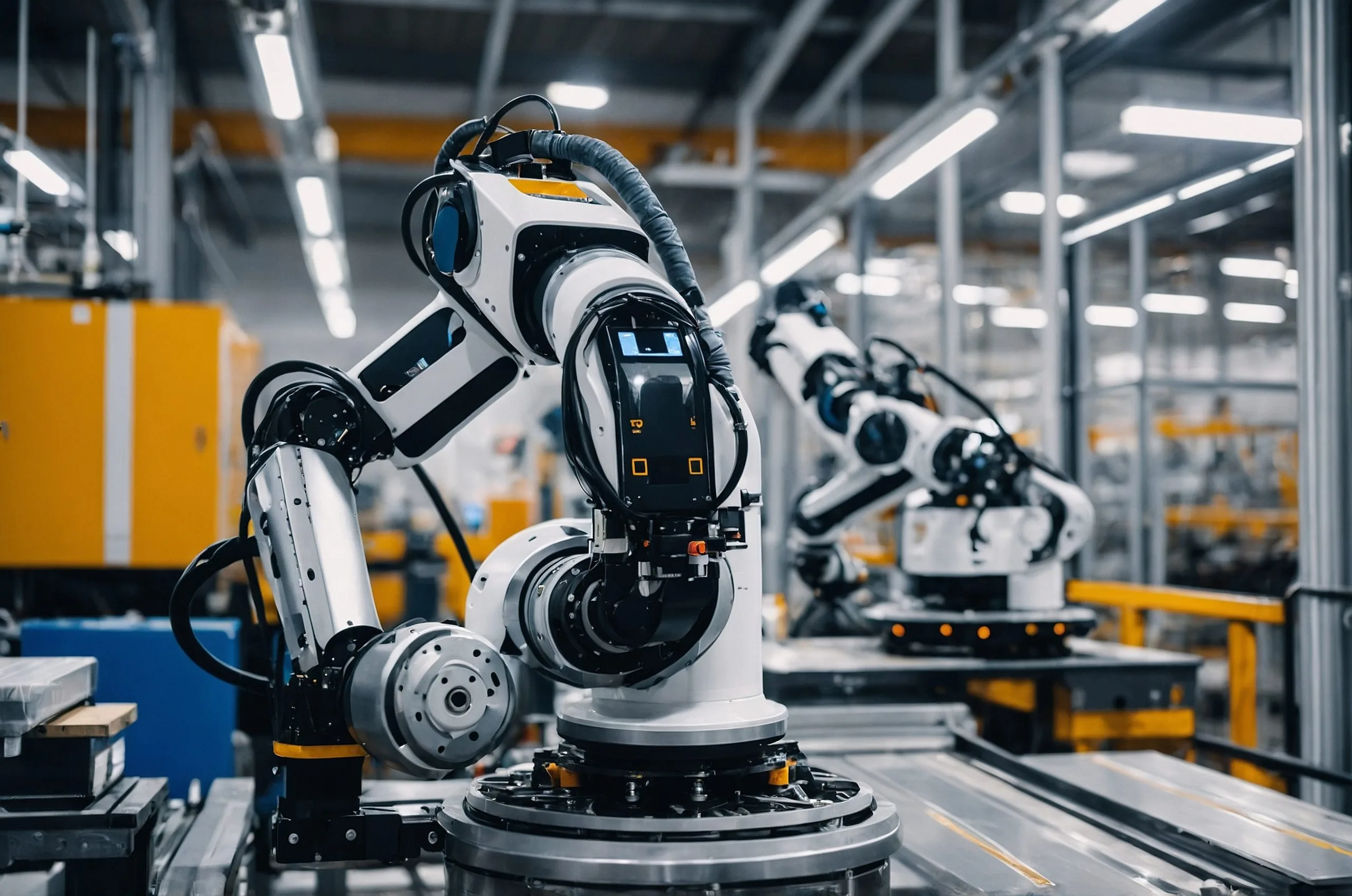
The robotics market in France is positioned for significant expansion through to 2035, driven by automation across industrial and service sectors. France’s robotics ecosystem includes both established industrial solutions and emerging applications in healthcare, logistics, and service robots. Recent analyses suggest the industrial robotics market alone may grow from about USD 15.4 billion in 2025 to over USD 41 billion by 2035 at a strong compound annual growth rate (CAGR) of over 11 % — highlighting both domestic and global demand for automation technologies.
Main Drivers Fueling Growth in France’s Robotics Market, Industrial Automation, Service Robotics, and Technological Advancements
Industrial Transformation
France’s manufacturing sector continues to adopt robotics to enhance productivity, precision, and operational efficiency. Key industries such as automotive, electronics, and pharmaceuticals are integrating industrial robots for tasks including assembly, welding, and quality inspection. Supporting this trend are advancements in AI, machine vision, and collaborative robot (cobot) technologies that allow safer human‑robot interaction and more flexible deployment.
Service Sector Adoption
Service robotics in healthcare, logistics, and hospitality is gaining traction. The service robotics market in France is projected to grow at a CAGR of over 13 % through 2035, with demand in healthcare for patient care, surgical assistance, and rehabilitation solutions, and in logistics for warehouse automation and delivery systems. Residential and commercial applications are also emerging segments.
European and Global Automation Trends
Robotics adoption across the EU is increasing, with robot density rising in European economies to above the global average, reflecting broader regional support for automation and Industry 4.0 initiatives. France, as a significant EU economy, benefits from these broader trends, which accelerate technology diffusion and investment in robotics infrastructure.
Government Initiatives and Strategic Support Boosting Robotics Innovation and Adoption in France
The French government has implemented strategic initiatives to support robotics development, including targeted funding programs and innovation incentives under broader digital and industrial transition plans. National robotics strategies aim to enhance competitiveness, promote R&D collaboration between industry and academia, and support deployment of automation technologies in strategic sectors such as healthcare, manufacturing, and logistics.
Overview of Key Players and Emerging Competitors in France’s Robotics Market
France’s robotics landscape comprises a mix of domestic and international players. Global automation leaders such as ABB, KUKA and Fanuc have a strong presence, while French firms like SoftBank Robotics (through local operations), Navya and specialized innovators contribute to service and autonomous mobility segments. Growing start‑ups and research institutions also add to the competitive ecosystem, especially in niche service and collaborative robotics.
Key Challenges Hindering Robotics Adoption and Growth in France’s Market
High Adoption Costs
Initial investment costs and integration expenses remain key barriers for smaller enterprises. Although robotics delivers efficiency gains, upfront expenditures on hardware, software and workforce training can deter widespread adoption, particularly among SMEs.
Skills and Workforce Gaps
The rapid shift toward robotics requires skilled technical talent in programming, maintenance, and systems integration. A shortage of qualified professionals could slow deployment rates and limit scalability of advanced robotic solutions.
Future Outlook
By 2035, the France robotics market is expected to be substantially larger and more diverse, driven by continued industrial automation, rising service robotics adoption and technological innovation in AI and autonomous systems. Growth areas will likely include healthcare automation, logistics robotics, and collaborative robots that work alongside humans. With sustained investment and supportive policies, France could strengthen its position in Europe’s broader robotics landscape, although challenges around cost and skills development will need coordinated efforts from industry and government to fully address.
Consultants at Nexdigm, in their latest publication “France Robotics Market Outlook to 2035,” analyze the sector by System Type (Industrial Robots, Collaborative Robots, Service Robots, Autonomous Mobile Robots), By Platform Type (Land-based Platforms, Airborne Platforms, Marine Platforms), and By Fitment Type (On-premise Solutions, Cloud-based Solutions, Hybrid Solutions). Nexdigm suggests that businesses should focus on integrating cutting-edge technologies and automation solutions to stay competitive in an increasingly digital and AI-driven environment. As market dynamics evolve, particularly in sectors like manufacturing, healthcare, and logistics, companies must adopt robotics and other automated systems to optimize operations, reduce costs, and enhance customer experiences. By leveraging robotics, businesses can not only streamline production processes but also innovate in areas like service delivery, maintenance, and product development, all of which are crucial for sustaining growth in an increasingly complex global marketplace.
To take the next step, simply visit our Request a Consultation page and share your requirements with us.
Harsh Mittal
+91-8422857704