
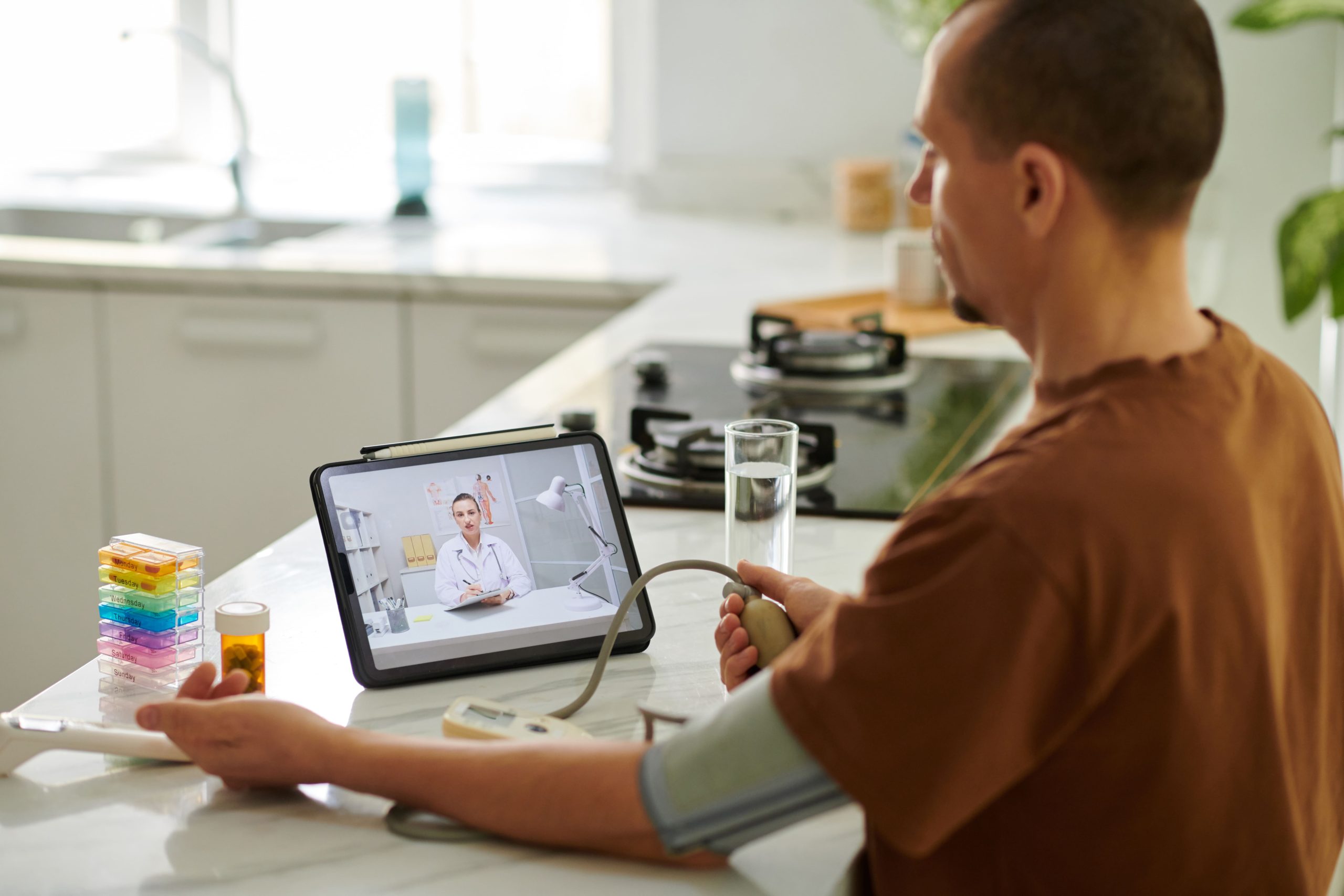
France telemedicine market has moved well beyond its early “pandemic solution” phase and is now settling into a more practical role within the country’s healthcare system. What makes France interesting is that adoption has not come only from patient convenience. It is also a response to a very real healthcare delivery problem: too many patients, not enough easily accessible doctors, and a system under pressure to do more follow-up care without overloading hospitals. By 2026, teleconsultation, digital prescriptions, remote triage, and connected care tools are becoming more embedded in everyday care delivery rather than sitting on the edge of it. At the same time, this is not a market that will grow simply because the technology exists. In France, digital healthcare works best when it fits into reimbursement systems, physician workflows, and patient trust. That is why the next decade will likely be defined less by flashy innovation and more by whether telemedicine can become routine, reliable, and clinically useful at scale.
What’s Driving the Telemedicine Market in France?
Pressure on Physician Access and Care Delays
One of the clearest forces behind telemedicine adoption in France is access. In many parts of the country, especially smaller towns and semi-rural areas, patients still struggle to get timely appointments with general practitioners or specialists. For a patient needing a dermatology follow-up, a mental health consultation, or a prescription renewal, waiting several weeks for a physical slot often makes little sense. This is where teleconsultation has found its strongest use case. It does not replace physical care, but it does remove friction for lower-complexity interactions. In practice, that means fewer unnecessary clinic visits and faster first contact with a physician. That convenience matters, but the real value is operational: it helps absorb demand that would otherwise clog already stretched outpatient services.
Chronic Disease Management and an Aging Population
France, like much of Western Europe, is dealing with an older population and a growing burden of chronic illness. That changes what healthcare demand looks like. More patients now need recurring interactions rather than one-off treatment episodes. Diabetes, hypertension, heart disease, kidney conditions, and neurological disorders all require regular monitoring, medication adjustments, and ongoing physician oversight. Remote care fits naturally into that pattern. A follow-up consultation for blood pressure management or medication review does not always need a waiting room and a commute. For older adults with reduced mobility, that difference is not trivial. It can be the reason care happens on time instead of being postponed. The challenge, of course, is that older populations are not always the easiest digital users, so the service only works when platforms are simple and support is built in.
Better Digital Health Infrastructure
Telemedicine in France has also benefited from a stronger digital backbone than many markets had a few years ago. National digital health initiatives such as Mon espace santé have helped normalize the idea of online health records, secure messaging, and connected care services. That may sound administrative, but it matters. A video consultation is far more useful when prescriptions, documents, and patient history can move through the same system without friction. This is also where France has an edge. The country has not treated telemedicine as a standalone app category. It is increasingly being folded into broader care journeys. That is a healthier direction for the market, because standalone virtual consultations often hit a ceiling once the novelty fades. Integrated digital care tends to last longer.
Government-Led Initiatives
Public policy has played a major role in shaping telemedicine uptake in France. Reimbursement support gave virtual consultations legitimacy early on, and that was critical. Without reimbursement, adoption would likely have stayed limited to private, urban, convenience-led use cases. Instead, telemedicine gained a pathway into mainstream care. The government has also pushed standardization around data security, approved digital tools, and interoperability. That is less visible than patient-facing apps, but arguably more important. A telemedicine market can grow quickly and still become messy. France has tried, not always perfectly, to avoid that by building a more regulated digital health environment.
Market Competition
France telemedicine market is moderately concentrated, with players such as Doctolib, Qare, Livi, Maiia, and Medadom holding visible positions. Competition is no longer just about who can host a video consultation. The real battle is around physician availability, ease of use, reimbursement compatibility, and how well a platform fits into routine care. That is why appointment booking, teleconsultation, prescription handling, and follow-up communication are increasingly bundled together. The winning platforms will probably be the ones that feel least like “telemedicine companies” and most like practical healthcare infrastructure.
Uneven Adoption Across Patients and Providers
A common challenge in France telemedicine market is that adoption still looks uneven on the ground. Younger urban users are generally more comfortable with digital consultations, while older patients and some clinicians remain more cautious. There is also a credibility gap in certain specialties where physical examination is central to diagnosis. Telemedicine works best when used selectively and intelligently. If platforms are pushed too aggressively into care situations where they do not fit, patient trust can erode quickly. That is one of the quieter risks in this market. Convenience alone will not sustain usage if the clinical value feels thin.
Future Outlook
France telemedicine market should continue expanding through 2035, though probably in a more measured and useful way than many early digital health forecasts once suggested. The next stage of growth will likely come from hybrid care models – not just video visits, but remote triage, chronic care follow-up, digital mental health, connected monitoring, and better communication between patients and care teams.
Consultants at Nexdigm, in their latest publication “France Telemedicine Market Outlook to 2035”, believe that businesses should prioritize integrated care pathways, physician onboarding, secure interoperability, and chronic care-focused digital services while leveraging reimbursement-backed teleconsultation and national digital health infrastructure as key growth enablers.
To take the next step, simply visit our Request a Consultation page and share your requirements with us.
Harsh Mittal
+91-8422857704