
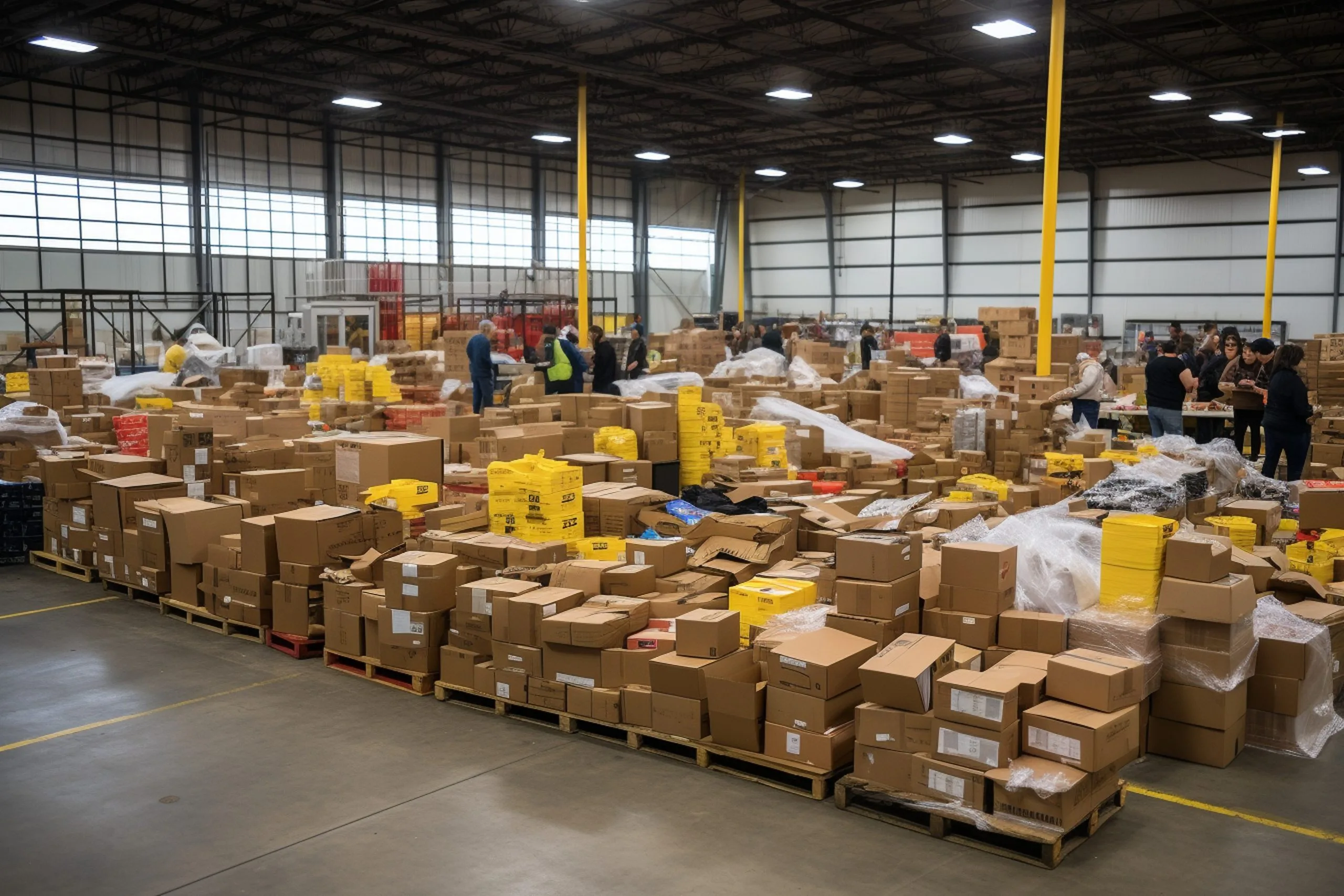
The warehousing market in France has become a vital part of the logistics and supply chain industry, supporting everything from e‑commerce to the pharmaceutical sector. Valued at approximately USD 30 billion, this market is expected to grow steadily as demand for faster deliveries and specialized storage solutions increases. As e‑commerce continues to thrive and consumer expectations evolve, warehousing solutions must become increasingly flexible and tech‑driven. The French warehousing market is positioned for significant growth, driven by both domestic needs and its key role as a logistics hub for Europe.
Key Drivers Driving the Growth of France’s Warehousing Market
The E‑Commerce Surge and Its Impact on Storage Needs
With France’s e‑commerce market predicted to reach heights, the demand for warehousing space continues to soar. Retailers are expanding their operations to meet the growing consumer demand for fast, reliable deliveries, and warehouses are central to this shift. With a focus on speed, retailers are increasingly turning to distributed, urban warehouses to meet the growing expectation for same‑day and next‑day delivery options. The rise of omni‑channel retailing means businesses are seeking efficient storage solutions to manage both online orders and in‑store inventories simultaneously, driving the need for more advanced and flexible warehousing solutions.
Technology Integration and Warehouse Automation
Technology continues to revolutionize the warehousing sector in France, with automation playing an increasingly critical role. Automated storage and retrieval systems (AS/RS), robotics, and AI‑enabled warehouse management systems (WMS) are boosting operational efficiency. These technologies help warehouse operators handle increased volumes while reducing errors and lowering operational costs. The use of real‑time data, sensors, and predictive analytics is allowing operators to optimise space usage and inventory management, ensuring faster processing times. As e‑commerce and global trade grow, automation and digitalisation will remain central to the success of the warehousing market.
Specialized Warehousing and Demand for Cold Storage
The need for specialized warehousing solutions is also driving market growth. The food and beverage sector, along with pharmaceuticals, require temperature‑controlled facilities to ensure product integrity. As demand for fresh, frozen, and perishable goods grows, so does the need for cold storage capacity. The pharmaceutical industry’s rapid expansion, especially with biologics and temperature-sensitive drugs, is further fueling demand for warehouses that meet stringent regulations and provide temperature-controlled environments. These specialized facilities contribute significantly to the growth of the warehousing sector, expanding its scope beyond traditional storage to include niche services.
French Government Support and Policies Shaping the Warehousing Market
The French government plays an active role in supporting the development of warehousing infrastructure. Investments in transportation networks, such as road and rail upgrades, are making it easier to move goods efficiently across the country. Additionally, local policies aimed at reducing carbon emissions and promoting energy efficiency are encouraging the adoption of sustainable logistics practices in warehousing. Government incentives for electric vehicle fleets and green warehouses are helping logistics companies meet regulatory standards while promoting eco-friendly solutions. These initiatives contribute to an overall positive environment for warehousing development in France.
Competitive Environment of France’s Warehousing Market
The competitive landscape in France’s warehousing market is shaped by a mix of global logistics giants and regional players. Major multinational companies such as Prologis, DHL, and Kuehne plus Nagel lead the market, offering large-scale distribution and multi-modal services. These companies focus on integrating high-tech solutions, maintaining large portfolios of industrial real estate, and expanding into growing urban logistics hubs. Regional players like STEF and Geodis focus on tailoring services to local needs, especially in specialized sectors like cold storage and food logistics. As demand for flexibility and speed grows, competition in the market will intensify, with operators investing in both advanced technology and sustainable solutions to stay ahead.
Challenges Facing the France’s Warehousing Market
Rising Costs and Land Scarcity
A major challenge facing the French warehousing market is the rising cost of industrial real estate, particularly in urban areas. The limited availability of land in key logistics hubs around cities like Paris, Lyon, and Marseille has driven up property prices, putting pressure on developers to find new ways to optimise existing space. Rising construction costs, particularly due to inflation and material shortages, further complicate new warehouse development. To remain competitive, logistics companies will need to find creative solutions for space optimisation and consider investing in smaller, tech-enabled micro‑fulfilment centres.
Sustainability and Regulatory Compliance
As France continues to push for greener logistics solutions, warehousing operators face growing pressure to meet sustainability goals. The transition to low‑emission vehicles, renewable energy sources for warehouses, and eco‑friendly building materials all require significant upfront investments. Stricter EU regulations regarding carbon emissions and waste reduction mean that logistics providers must increasingly adopt sustainable practices, despite higher initial costs. Balancing the need for fast, efficient service with eco‑friendly solutions will be a critical challenge for the industry over the next decade.
Future Outlook
Looking towards the future, the French warehousing market is projected to continue expanding, driven by e‑commerce, sustainability efforts, and technological innovation. The market is expected to grow at a steady pace, with demand for warehousing space rising particularly in urban hubs. As automation and AI become more integrated into logistics operations, France’s warehousing industry will see greater efficiency, reduced operational costs, and faster delivery times. Furthermore, sustainability initiatives will drive the adoption of green warehouses, making energy efficiency a key focus for future development. With these trends in mind, France’s warehousing market will remain dynamic, adapting to the ever‑evolving needs of consumers, businesses, and the environment.
Consultants at Nexdigm, in their latest publication France Warehousing Market Outlook to 2035 analyzed the market by System Type (General Storage, Temperature Controlled Warehousing, Bonded Warehousing Facilities) and By End User Segment (E-commerce, Manufacturing, Retail Companies, Agriculture and Food Processes Companies).
Nexdigm believes that businesses in France should collaborate with government initiatives to tap into infrastructure development and benefit from regulatory incentives. Investing in modern warehousing facilities, focusing on sustainability, and optimizing supply chains will enable businesses to meet the rising demand for efficient storage solutions, while also ensuring scalability and adaptability in a rapidly evolving market.
To take the next step, simply visit our Request a Consultation page and share your requirements with us.
Harsh Mittal
+91-8422857704