
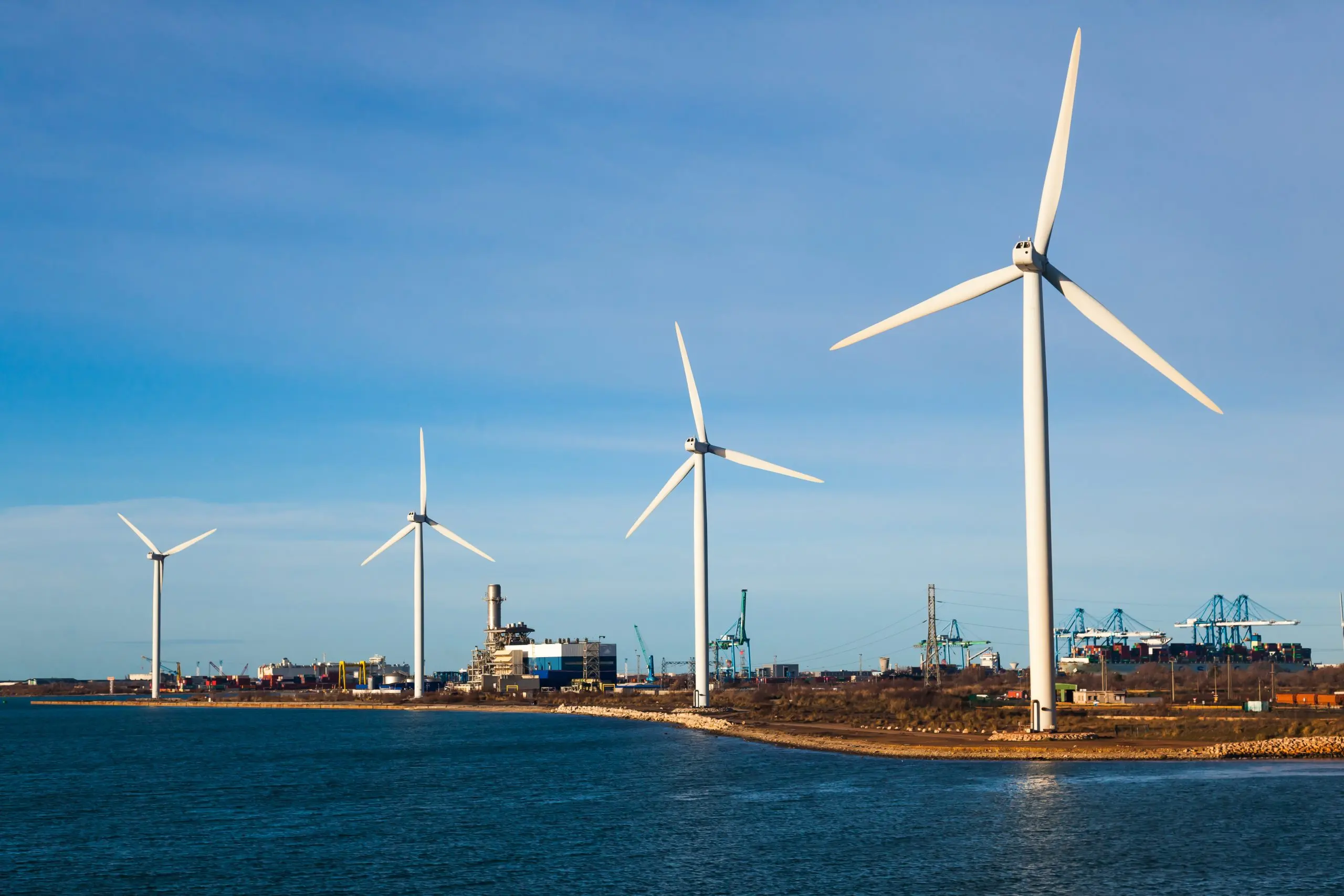
France’s wind energy market is set for significant growth as the country works toward meeting its ambitious renewable energy goals. With both onshore and offshore wind projects in the pipeline, France is accelerating its push for a cleaner, more sustainable energy future. The government’s supportive policies, along with technological advancements and rising investments, are creating a strong foundation for the wind sector. As a result, France is on track to see a major increase in wind energy capacity by 2035, playing a key role in its transition to renewable energy.
Main Factors Driving Growth in the Wind Energy Market
Ambitious Renewable Energy Targets
France is committed to increasing its renewable energy share, and wind energy is central to this goal. The French government aims to boost its wind energy capacity from around 22.9 GW in 2024 to 36 GW by 2035 for onshore wind. Additionally, offshore wind is set to grow from 1.5 GW today to over 10 GW by 2035. This expansion aligns with France’s broader decarbonization objectives, focusing on reducing fossil fuel dependency and achieving carbon neutrality.
Technological Advancements and Cost Reduction
Wind energy technology continues to evolve, making wind projects more efficient and cost competitive. Innovations such as larger, more efficient turbines, improved energy storage systems, and offshore floating platforms are significantly reducing the costs of wind energy generation. These advancements make wind a more attractive investment, enabling the market to expand rapidly, while simultaneously lowering energy costs for consumers and businesses alike.
Government Policies and Initiatives Supporting Wind Energy Growth
The French government has been instrumental in driving wind energy development through incentives like feed-in tariffs and long-term power purchase agreements (PPAs). With these financial supports, France continues to attract both local and international investors, creating a favorable environment for growth in the wind energy sector. Additionally, the government’s renewable energy plans are set to create thousands of jobs while contributing to national sustainability targets.
Key Players and Competition in the Wind Energy Market
France’s wind energy market features a mix of local players and global giants, ensuring a competitive landscape. Leading companies such as EDF Renewables, Engie, and Neon dominate the sector, alongside international turbine manufacturers like Vestas and Siemens Gamesa. This blend of local expertise and global innovation drives the growth of both onshore and offshore wind projects, positioning France as a key player in Europe’s renewable energy transition.
Challenges Facing the Growth of the Wind Energy Market
Regulatory Hurdles and Delays
While the French government has set ambitious targets, the wind energy market still faces challenges. Regulatory delays, especially in permitting offshore wind farms, slow down project development. In addition, fluctuating government policies, particularly related to nuclear energy expansion, adds uncertainty to the wind sector’s growth trajectory. These obstacles make it challenging for developers to meet the ambitious 2035 targets.
Future Outlook
By 2035, France’s wind energy sector will be a key player in the country’s shift to cleaner energy. With ongoing technological innovations and stronger government backing, the wind market is set to grow quickly. While there are still some regulatory challenges to navigate, France’s commitment to meeting its renewable energy targets shows that wind power will play a major role in its energy future. This growth will be a significant step toward achieving sustainability and carbon neutrality, helping France reduce its reliance on fossil fuels.
Consultants at Nexdigm, in their latest publication “France Wind Energy Market Outlook to 2035,” analyze the sector by System Type (Onshore Wind Systems, Offshore Wind Systems, Hybrid Wind Systems, Floating Wind Systems), By Platform Type (Land-Based Platforms, Offshore Platforms, Hybrid Platforms), and By Fitment Type (Onshore Installation, Offshore Installation, Hybrid Installation). Nexdigm suggests that businesses should align their strategies with current market trends, technological advancements, and regulatory changes to stay competitive and capitalize on emerging opportunities in the wind energy sector. By understanding the evolving landscape and adapting to shifts in consumer demand, government policies, and industry innovations, companies can better position themselves for long-term growth and sustainability in the renewable energy market.
To take the next step, simply visit our Request a Consultation page and share your requirements with us.
Harsh Mittal
+91-8422857704