
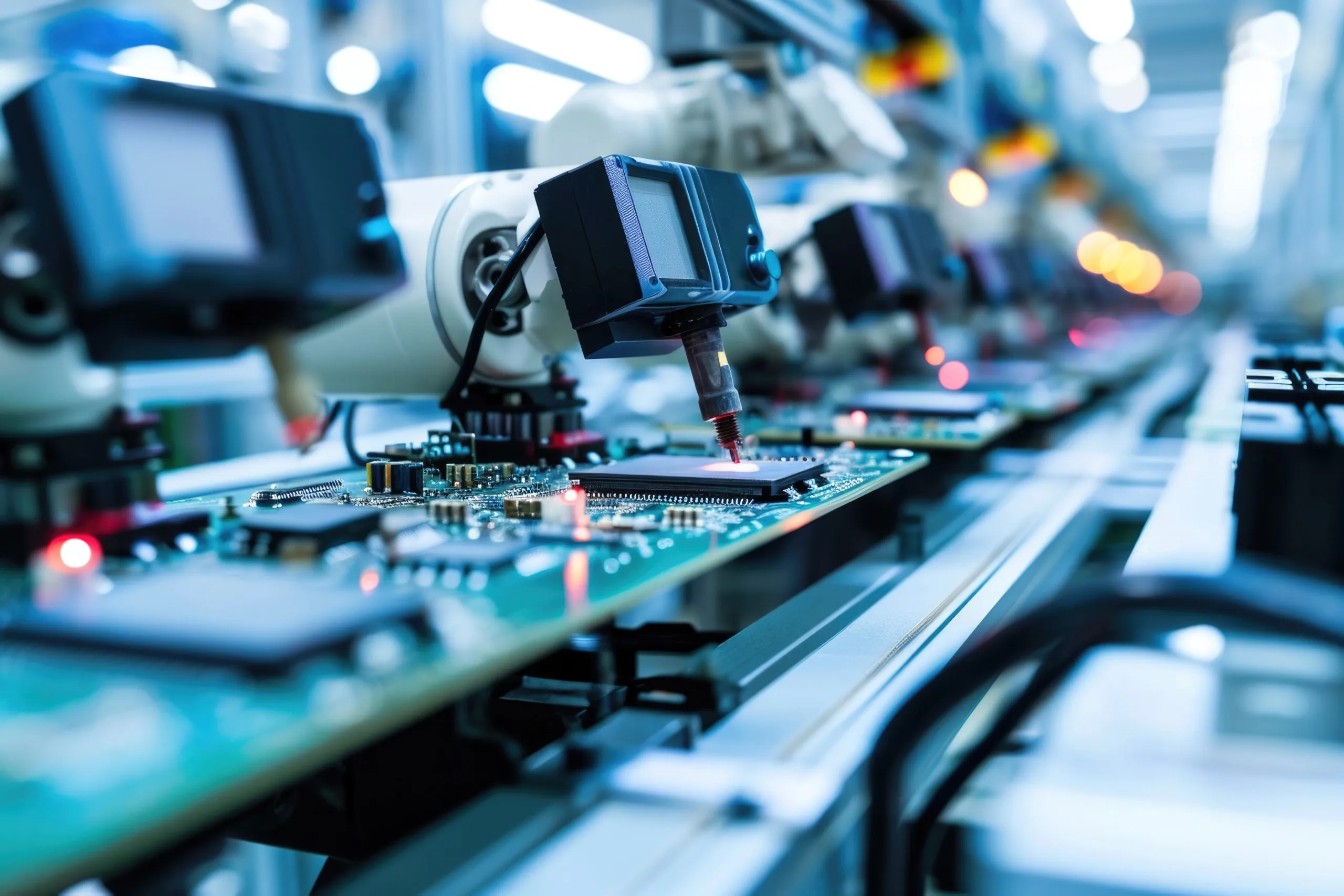
France’s semiconductor manufacturing sector is gradually becoming a more significant component of both the national and European technology landscape. While traditionally dominated by fabless design and materials companies, recent investments and policy frameworks are steering the country toward enhanced fabrication capabilities and localized production. With the global semiconductor market trending toward greater economic and strategic importance, France aims to strengthen its position within Europe’s manufacturing ecosystem through targeted industrial policies and collaboration with global partners. The outlook to 2035 includes both growth potential and structural challenges in scaling advanced chip production.
Key Drivers Shaping the Growth of France’s Semiconductor Manufacturing Market
Rising Domestic and EU Demand
Domestic demand for semiconductors in France is being driven by major end markets such as automotive, industrial automation, aerospace, and defence. France’s automotive sector alone — particularly electrified vehicles — continues to require more complex semiconductor content, increasing local demand for power and sensor chips. At the same time, broader European policy goals to reduce overseas dependency create new opportunities for local manufacturing and tooling.
Strategic Policy and Investment Frameworks
The European Chips Act and related national plans funnel capital toward semiconductor manufacturing and R&D within France. These frameworks encourage public‑private cooperation on fabrication facilities, pilot lines, and advanced packaging capabilities. France is a key node in EU semiconductor investments, including major joint ventures with established manufacturers aimed at expanding European production capacity.
Growing IP and Manufacturing Ecosystem
Segments such as semiconductor intellectual property (IP) are also expanding rapidly in France, with projected growth rates significantly above broader market averages through 2035. This supports a more robust ecosystem of design blocks and software components that feed into chip development and fabrication processes.
Government Policies and Initiatives Fueling the Growth of Semiconductor Manufacturing in France
France benefits from both national and EU‑level government backing. The European Chips Act seeks to double Europe’s share of global semiconductor production and provides exemptions and funding for manufacturing projects through 2030. Coupled with France’s own industrial plans, these initiatives aim to attract investment in fabrication and assembly facilities, pilot lines for advanced nodes, and workforce development targeted at semiconductor manufacturing capabilities.
Overview of Key Players and Competitive Dynamics in France’s Semiconductor Manufacturing Market
The market features established companies and new entrants across the value chain. France hosts major materials producers and design firms, while international partners such as STMicroelectronics participate in joint fabrication efforts within the country. Competition centers on securing advanced process technologies, collaboration with wafer‑fab equipment suppliers, and participation in European and global supply chains to capture investment and production capacity.
Key Challenges Hindering the Growth of Semiconductor Manufacturing in France
Technology and Scale Limitations
Scaling advanced manufacturing in France faces constraints relative to global leaders in Asia and the U.S. Local fabs frequently focus on mature nodes, while sub‑10 nm production remains limited.
Supply Chain and Workforce Gaps
France — like much of Europe — remains dependent on imported components and external manufacturing equipment. There is also ongoing pressure to develop sufficient skilled labour and specialized semiconductor fabrication expertise to sustain domestic growth at scale.
Future Outlook
Through 2035, France’s semiconductor manufacturing segment is expected to expand steadily within the broader European recovery and growth agenda. Local market projections show continued moderate growth in chip market value with rising CAGR supported by automotive electrification, industrial digitization, and defence electronics. The combination of national strategies and EU policy frameworks may help attract further capital and enhance technological capabilities. However, success will hinge on bridging gaps in advanced node production and integrating domestic plants deeper into international supply chains to reduce reliance on Asian imports.
Consultants at Nexdigm, in their latest publication “France Semiconductor Manufacturing Market Outlook to 2035,” analyze the sector by System Type (Semiconductor Foundries, Memory Devices, Logic Devices, Optoelectronics), By Platform Type (Wafer Fabrication Platforms, Assembly & Packaging Platforms, Test Equipment Platforms), and By Fitment Type (On-premise Solutions, Cloud-based Solutions, Modular Solutions). Nexdigm suggests that businesses should focus on aligning their strategies with market trends, investing in technology upgrades, and fostering collaborations with government and industry leaders to enhance their competitiveness in the rapidly evolving semiconductor manufacturing landscape.
To take the next step, simply visit our Request a Consultation page and share your requirements with us.
Harsh Mittal
+91-8422857704