
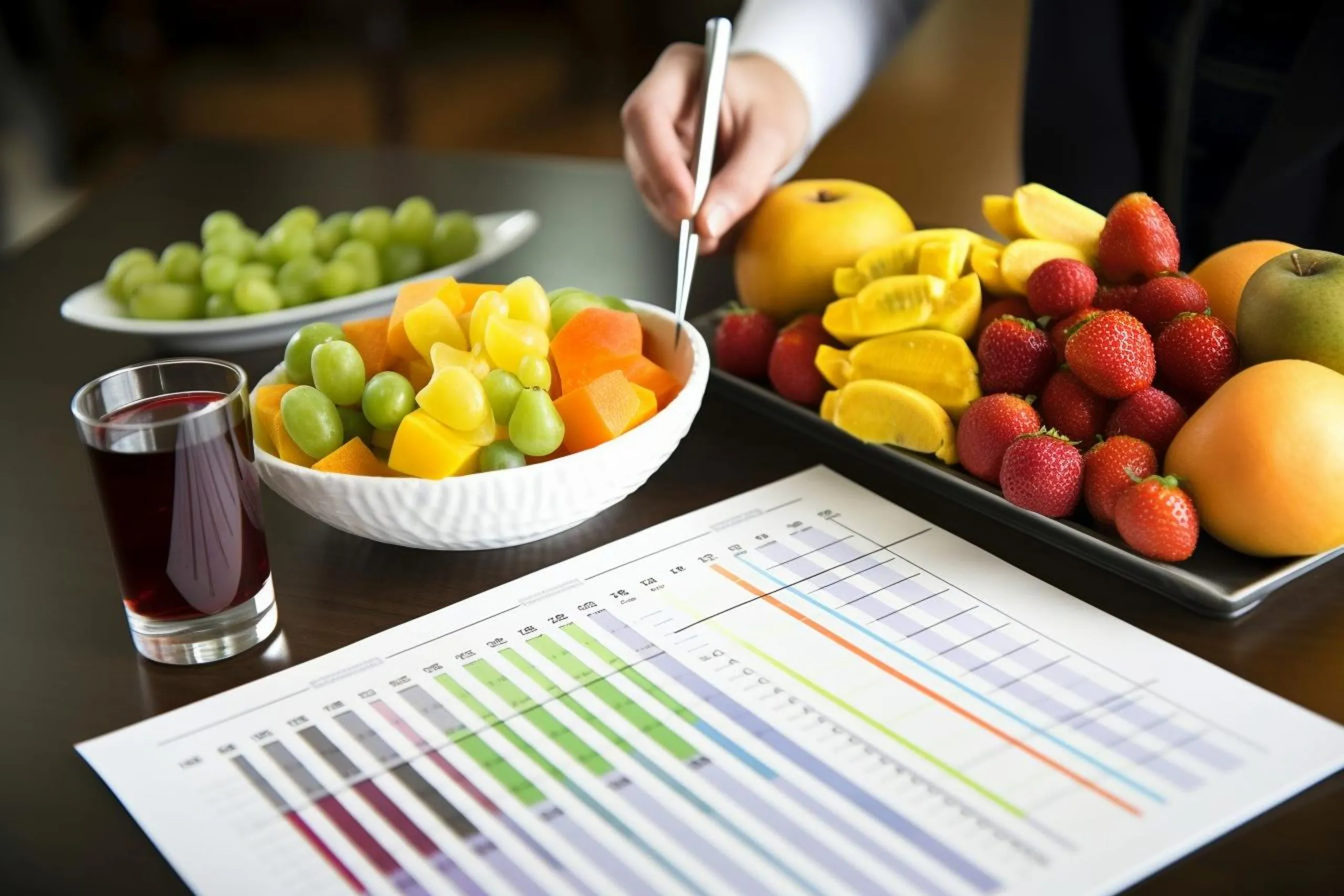
Fruit pricing analysis examines how seasonality, weather disruptions, harvest cycles, perishability, logistics, import dependence, and shifting consumer demand influence prices across premium categories. Effective fruit market pricing analysis compares regional benchmarks, wholesale quotations, retail movements, production costs, and historical trends to identify volatility and pricing gaps.
Strategic Pricing Analysis supports procurement planning, supplier negotiations, margin protection, inventory decisions, and promotional strategies. By combining real-time market intelligence, businesses can anticipate supply constraints, respond to short selling windows, and establish competitive prices across domestic and international fruit markets effectively.
USDA tracks prices for more than 150 fruit and vegetable products, while previous years’ data showed watermelon at $0.26 and apples at $0.50 per cup equivalent. Such category-level differences demonstrate why granular pricing analysis is essential for seasonal sourcing and forecasting.
Market-Based Pricing Analysis for Premium Fruit Categories
Market-based pricing analysis evaluates demand, seasonality, quality grades, competitor prices, and supply conditions to establish competitive fruit prices, protect margins, and support informed procurement and sales decisions effectively. Some major primary elements of Pricing Analysis, in focus are:
- Shelf-Life Pricing Management: Remaining shelf life, storage requirements, and expected sell-through rates guide markdown timing, reducing waste while preserving value across perishable premium fruits.
- Grade and Size Premium Assessment: Quality grades, fruit size, appearance, sweetness, and defect tolerance are compared to establish consistent price differentials across customer and channel segments.
- Cold-Chain Cost Visibility: Refrigeration, controlled-atmosphere storage, handling, and transport costs are incorporated into pricing decisions, improving landed-cost accuracy and margin management.
- Weather-Impact Pricing Response: Weather forecasts, crop damage reports, and yield estimates help businesses anticipate supply disruptions and adjust procurement or selling prices before markets react.
Nexdigm’s Advisory Role in Strengthening Premium Fruit Pricing Strategies
Nexdigm strengthens premium fruit pricing strategies through data-driven market intelligence, seasonal demand analysis, cost benchmarking, and competitive price assessment. With core expertise in fruit market pricing analysis, pricing analysis, commodity price analysis, price trend analysis, market pricing intelligence, and competitive pricing analysis, this enables businesses to optimize procurement, improve pricing accuracy, respond to seasonal volatility, and maximize profitability across premium fruit categories.
Nexdigm’s Strategic Model for Premium Fruit Price Analysis
Nexdigm’s strategic model combines market intelligence, seasonal forecasting, cost analysis, and competitive benchmarking to establish reliable premium fruit prices, improve procurement decisions, protect margins, and manage volatility across markets globally. Key strategies referred by Nexdigm’s expertise are:
- Seasonal Benchmarking Strategy: Regional harvest calendars, supply forecasts, and historical price cycles are compared to establish seasonal benchmarks and improve purchasing and selling decisions.
- Quality-Adjusted Pricing Strategy: Prices are differentiated by variety, grade, size, origin, freshness, and certification, ensuring premium attributes are reflected consistently across customer segments.
- Import Benchmarking Strategy: International quotations, exchange rates, duties, freight, and cold-chain costs are combined to calculate landed benchmarks for imported premium fruit categories.
- Dynamic Market Monitoring Strategy: Real-time supply signals, competitor movements, inventory age, and demand changes are monitored to support timely price adjustments and reduce markdown or spoilage risk.
Nexdigm’s Case
Nexdigm supported a premium fruit distributor by integrating seasonal benchmarks, quality-based pricing, and real-time market monitoring. The engagement improved forecast accuracy by 19%, reduced inventory losses and increased margin realization by 8%, enabling faster, evidence-based commercial decisions.
To take the next step, simply visit our Request a Consultation page and share your requirements with us.
Harsh Mittal
+91-8422857704