
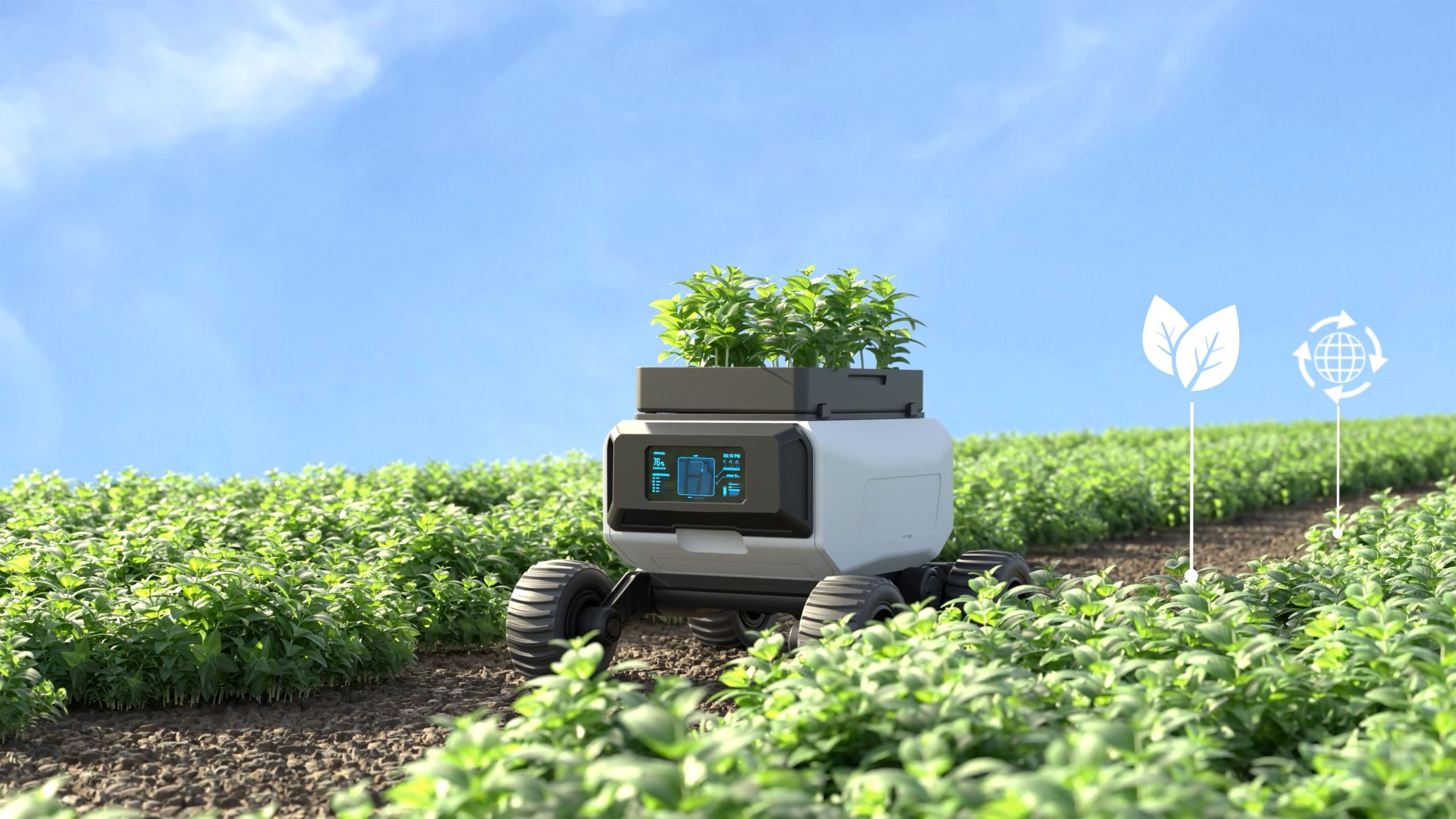
Germany’s agricultural machinery sector is entering a new phase of transformation as precision farming, labor shortages, and sustainability mandates accelerate the adoption of autonomous technologies. As of 2026, Germany remains one of Europe’s largest agricultural equipment markets, supported by advanced farm mechanization and strong domestic manufacturing capabilities. However, rising input costs, an aging farmer population, and tightening environmental regulations are reshaping investment priorities. Autonomous tractors—equipped with GPS guidance, AI-based navigation, and telematics—are gradually moving from pilot deployments to commercial-scale adoption. By 2035, Germany is expected to emerge as a leading European hub for autonomous agricultural machinery integration, driven by digital farming ecosystems and supportive policy frameworks.
What’s Driving the Agricultural Autonomous Tractor Market in Germany?
Labor Shortages and Aging Farmer Demographics
Germany’s agricultural sector is facing structural labor constraints, with a declining rural workforce and increasing average farmer age. Autonomous tractors help address these challenges by enabling 24/7 operations with minimal human supervision. Farms are increasingly deploying driver-optional and fully autonomous models for repetitive tasks such as plowing, seeding, spraying, and harvesting support. This shift enhances operational efficiency while reducing dependency on seasonal labor, particularly during peak cultivation periods.
Advancement in Precision Agriculture and Smart Farming
Germany has been at the forefront of precision agriculture adoption, integrating IoT sensors, satellite mapping, and farm management software into daily operations. Autonomous tractors are a natural extension of this ecosystem, capable of executing data-driven field operations with centimeter-level accuracy. Real-time field mapping, variable rate application (VRA), and AI-powered obstacle detection are improving productivity while minimizing fertilizer and pesticide usage. These capabilities align with Germany’s broader push toward climate-smart agriculture and resource optimization.
Strong OEM Presence and Technological Innovation
Germany hosts some of the world’s leading agricultural machinery manufacturers, including CLAAS and Fendt, both of which are actively investing in autonomous and semi-autonomous tractor platforms. Additionally, global players such as John Deere and CNH Industrial have expanded their autonomous technology trials across German farms. Strategic collaborations between OEMs and agri-tech startups are accelerating innovation in robotics, AI, and cloud-based fleet management systems.
Government-Led Initiatives and Policy Support
Germany’s agricultural transition is closely linked with the European Union’s Common Agricultural Policy (CAP) and sustainability targets under the European Green Deal. Subsidies and incentive programs promoting digital farming tools are indirectly supporting investments in autonomous machinery. Funding under rural development programs encourages farmers to adopt precision technologies that reduce emissions and improve soil health. Moreover, Germany’s focus on reducing chemical inputs by 2030 is increasing demand for highly accurate, AI-enabled spraying solutions—an area where autonomous tractors offer measurable advantages.
Market Competition and Adoption Landscape
The Germany agricultural autonomous tractor market remains in an early but rapidly evolving stage. Large commercial farms and agricultural cooperatives are the primary adopters, given their higher capital capacity and larger field sizes. Mid-sized farms are gradually entering the market through leasing models and technology-sharing cooperatives. Competition is intensifying as OEMs differentiate offerings through software capabilities, battery-electric variants, and hybrid powertrains. Telematics platforms, predictive maintenance solutions, and over-the-air software updates are emerging as key competitive differentiators.
High Initial Investment and Integration Challenges
Despite strong growth potential, the market faces adoption barriers. Autonomous tractors involve significantly higher upfront investment compared to conventional tractors, particularly for fully driverless models. Integration with existing farm management systems, cybersecurity concerns, and the need for high-precision connectivity infrastructure can pose additional hurdles. Furthermore, regulatory clarity regarding liability and safety standards for autonomous field operations remains a developing area, potentially slowing large-scale deployment in the short term.
Future Outlook
Germany’s agricultural autonomous tractor market is projected to witness robust growth through 2035, driven by structural labor shifts, sustainability mandates, and continued advancements in artificial intelligence and robotics. By 2035, autonomous and highly automated tractors are expected to account for a significant share of new tractor sales in the above 100 HP segment, particularly among large-scale grain and mixed farms. Electrification trends are also likely to converge with autonomy, supporting the rollout of low-emission autonomous fleets. Over the long term, autonomous tractors will evolve from standalone machines into fully integrated components of connected farm ecosystems, operating alongside agricultural drones, robotic harvesters, and AI-based farm analytics platforms. Germany is positioned not only as a major adopter but also as a technology exporter within the European autonomous farming landscape.
Consultants at Nexdigm, in their latest publication “Germany Agricultural Autonomous Tractor Market Outlook to 2035,” analyzed the market by Autonomy Level (Driver Assistance, Semi-Autonomous, Fully Autonomous), By Horsepower (Below 100 HP, 100–200 HP, Above 200 HP), By Propulsion Type (Diesel, Hybrid, Electric), and By Farm Size (Small Farms, Medium Farms, Large Commercial Farms). Nexdigm believes that businesses should prioritize scalable software platforms, flexible financing models, and partnerships with agri-tech innovators to capture long-term value in Germany’s rapidly digitizing agricultural machinery market.
To take the next step, simply visit our Request a Consultation page and share your requirements with us.
Harsh Mittal
+91-8422857704