
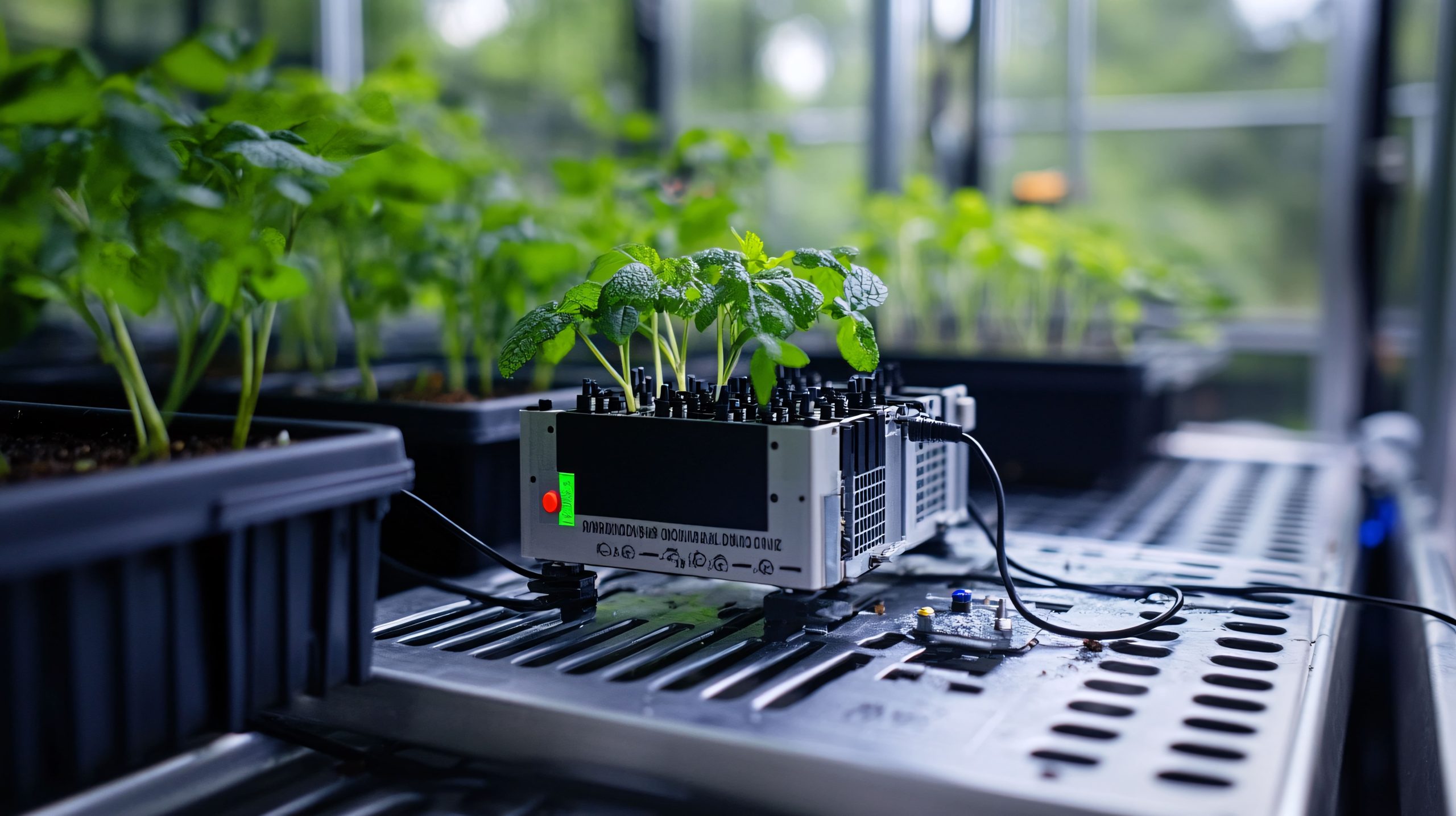
Germany’s agricultural sector is experiencing a digital transformation as precision farming, automation, and smart machinery become increasingly central to modern farming practices. The demand for agricultural electronic components including sensors, GPS modules, control units, and connectivity systems is rising as farms adopt advanced equipment to improve productivity and sustainability. As of 2025, Germany remains one of Europe’s largest markets for precision agriculture technologies, supported by strong farm mechanization rates and the presence of major agricultural machinery manufacturers. However, the supply chain for several high-value electronic components remains globalized, with many semiconductor-based parts sourced from international suppliers. The integration of IoT, AI, and satellite technologies into farm machinery is gradually reshaping how agricultural operations are monitored and managed across the country.
What’s Driving the Agricultural Electronic Components Market in Germany?
Rapid Adoption of Precision Farming Technologies
German farmers are increasingly adopting precision agriculture tools to optimize resource utilization and improve crop yields. Technologies such as GPS-guided tractors, automated seeders, and smart irrigation systems rely heavily on electronic components like sensors, embedded processors, and control modules. These systems enable real-time monitoring of soil conditions, crop health, and machinery performance, helping farmers reduce fertilizer and pesticide usage while maintaining productivity. As environmental regulations become stricter in the European Union, precision technologies supported by advanced electronics are becoming essential for compliance and sustainable farming.
Integration of Smart Machinery and Automation
Modern agricultural machinery in Germany is increasingly equipped with digital control systems, telematics, and automation capabilities. Tractors, harvesters, and sprayers now incorporate electronic control units (ECUs), machine vision systems, and connectivity modules that enable remote diagnostics and automated operations. These technologies allow farmers to manage large fields more efficiently while reducing labor dependency. The rising popularity of semi-autonomous and autonomous farm equipment is further boosting demand for sophisticated electronic components such as LiDAR sensors, cameras, and AI-enabled processors.
Growing Focus on Sustainable Agriculture
Germany’s push toward sustainable farming practices is also influencing the adoption of agricultural electronics. Smart sensors and monitoring systems help optimize water usage, detect crop stress early, and enable targeted application of fertilizers and pesticides. These capabilities support the country’s broader environmental goals, including reducing agricultural emissions and improving soil health. As sustainability reporting and traceability become more important across the food supply chain, digital monitoring systems embedded in farm machinery are becoming increasingly valuable.
Government-Led Initiatives
The German government and the European Union are actively supporting the digitalization of agriculture through various funding programs and innovation initiatives. Programs under the EU’s Common Agricultural Policy (CAP) and Germany’s national digital agriculture strategy provide financial incentives for farmers investing in smart farming technologies. Research collaborations between universities, agri-tech startups, and machinery manufacturers are also accelerating the development of advanced agricultural electronics. Additionally, pilot projects focused on autonomous farming systems and data-driven agriculture are helping demonstrate the commercial viability of these technologies across large-scale farms.
Market Competition
The Germany agricultural electronic components market features a mix of global electronics suppliers, agricultural machinery manufacturers, and specialized agri-tech firms. Major machinery manufacturers such as Bosch Rexroth, Continental AG, and John Deere play a significant role in integrating advanced electronics into agricultural equipment. Semiconductor and sensor manufacturers also contribute to the ecosystem by supplying critical components used in precision agriculture systems. Meanwhile, emerging agri-tech startups are developing innovative sensor technologies, machine vision solutions, and farm data platforms that further expand the market. Collaborations between equipment manufacturers and technology providers are becoming increasingly common. These partnerships focus on integrating advanced sensors, cloud connectivity, and artificial intelligence into agricultural machinery to improve operational efficiency and decision-making capabilities for farmers.
Supply Chain Dependencies and Technological Challenges
Despite Germany’s strong manufacturing base, the agricultural electronics sector still relies heavily on global semiconductor supply chains. Components such as microcontrollers, integrated circuits, and specialized sensors are often sourced from international semiconductor manufacturers. Disruptions in global chip supply during the early 2020s highlighted the vulnerability of agricultural equipment production to electronics shortages. Additionally, integrating complex electronic systems into rugged farming environments presents engineering challenges, including ensuring durability, weather resistance, and reliable connectivity in remote agricultural areas.
Future Outlook
Germany’s agricultural electronic components market is expected to expand steadily through 2035 as digital agriculture becomes a core element of farm productivity and sustainability strategies. The increasing deployment of autonomous farm machinery, AI-powered crop monitoring systems, and connected farm management platforms will continue to drive demand for advanced sensors, processors, and connectivity modules. Precision farming solutions are expected to become standard across medium and large farms, supported by improvements in satellite connectivity and rural broadband infrastructure. By 2035, the agricultural sector in Germany is likely to operate within a highly connected ecosystem where machinery, sensors, and farm management platforms exchange real-time data. This transformation will enable predictive maintenance of equipment, optimized field operations, and improved resource efficiency. Additionally, the integration of robotics and AI-driven analytics will further expand the role of electronic components in agricultural machinery.
Consultants at Nexdigm, in their latest publication “Germany Agricultural Electronic Components Market Outlook to 2035”, analyzed the market by Component Type (Sensors, Control Units, Connectivity Modules, Power Electronics), By Application (Tractors, Harvesters, Smart Irrigation Systems, Precision Sprayers), and By Technology (IoT-enabled Systems, AI-based Monitoring, Satellite Navigation Systems). Nexdigm believes that companies should focus on developing ruggedized electronics, strengthening semiconductor supply partnerships, and leveraging AI-enabled farm data platforms as key competitive differentiators in the evolving agricultural technology landscape.
To take the next step, simply visit our Request a Consultation page and share your requirements with us.
Harsh Mittal
+91-8422857704