
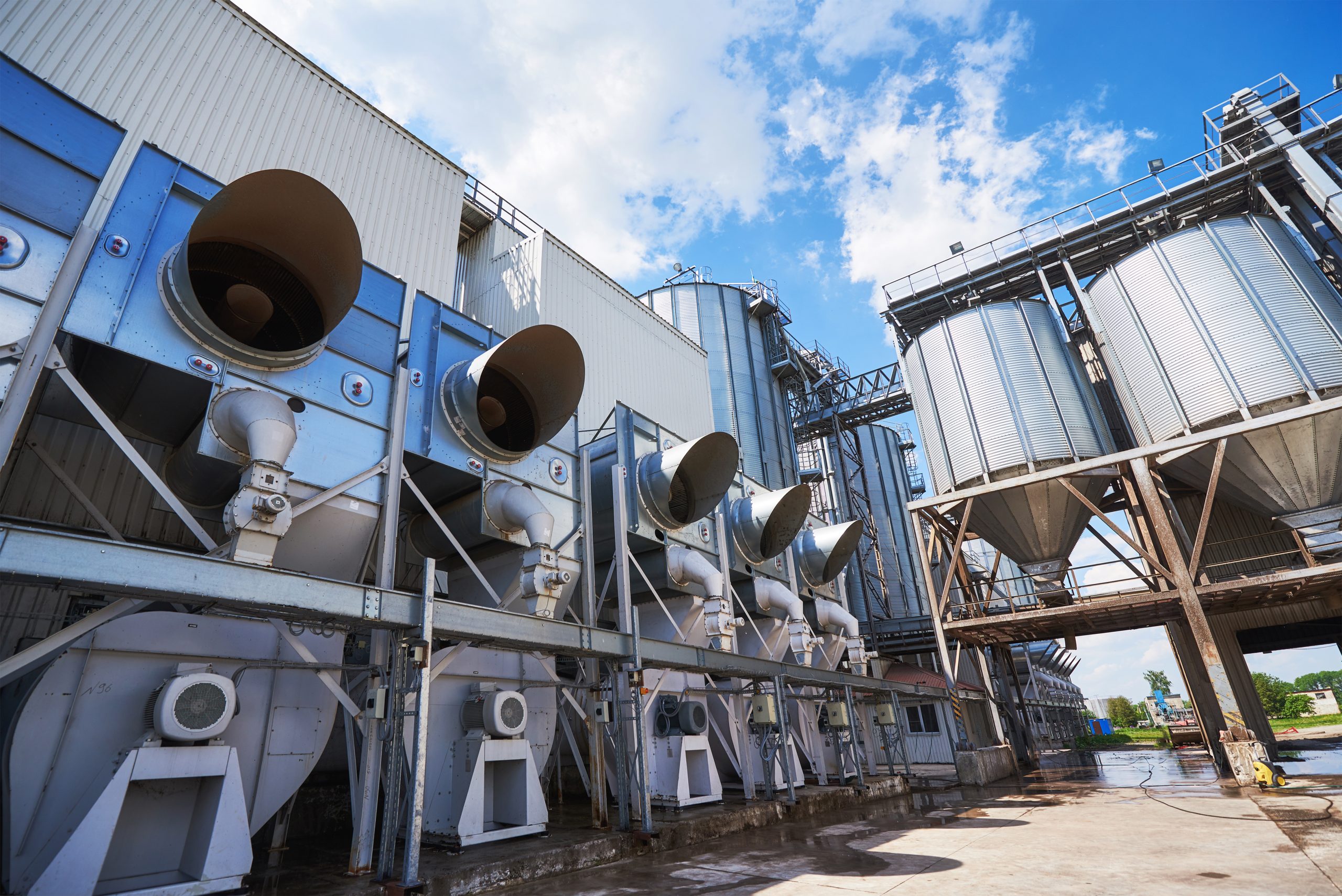
Germany’s Air Separation Unit (ASU) industry plays a crucial role in supporting the country’s advanced manufacturing, chemical processing, healthcare, and energy sectors. ASUs separate atmospheric air into industrial gases such as oxygen, nitrogen, and argon, which are essential for numerous industrial applications. As Germany continues to strengthen its position as Europe’s largest manufacturing economy, demand for reliable industrial gas supplies remains strong. The growing emphasis on green hydrogen development, sustainable steel production, and advanced healthcare infrastructure is further creating opportunities for ASU manufacturers and gas suppliers across the country.
Market Drivers Advancing the Germany Air Separation Unit Industry
Rising Demand from Manufacturing and Metal Processing Industries
Germany remains one of the world’s leading industrial economies, with manufacturing contributing approximately 20% of the country’s gross value added. Industrial gases produced by ASUs are widely used in steel manufacturing, welding, metal fabrication, and chemical production. Oxygen is increasingly utilized in energy-efficient steelmaking processes, while nitrogen supports electronics manufacturing, food packaging, and industrial safety applications. As industrial facilities modernize operations and focus on productivity improvements, the demand for high-purity industrial gases continues to rise.
Germany’s Growing Green Hydrogen Economy Creating New Opportunities
One of the strongest growth drivers for the air separation unit industry is Germany’s commitment to establishing a green hydrogen ecosystem. Electrolyzers require large volumes of high-purity oxygen and nitrogen during hydrogen production and storage processes. Germany has announced multiple hydrogen hub projects and industrial decarbonization initiatives, attracting substantial public and private investments. Since oxygen is a valuable byproduct of hydrogen generation, the integration of ASUs with hydrogen facilities is becoming increasingly common, creating new revenue streams for industrial gas suppliers.
Expanding Healthcare and Life Sciences Applications
Germany possesses one of Europe’s largest healthcare systems, supporting sustained demand for medical oxygen. Hospitals, pharmaceutical manufacturers, biotechnology laboratories, and research institutions depend heavily on high-purity gases supplied through air separation facilities. The country’s aging population and continued investment in healthcare infrastructure are encouraging additional industrial gas production capacity, ensuring reliable supply for critical medical applications.
Government Initiatives Supporting the Germany Air Separation Unit Industry
The German government continues to support industrial decarbonization, clean energy technologies, and hydrogen infrastructure through various funding programs and strategic initiatives. Investments in climate-neutral steel production, carbon reduction technologies, and hydrogen ecosystems indirectly benefit the air separation unit industry. National energy transition goals are encouraging manufacturers to adopt cleaner production methods, increasing demand for oxygen and nitrogen across multiple industrial applications. These initiatives create a favorable environment for long-term ASU investments and technological upgrades.
Competitive Landscape of Germany Air Separation Unit Industry
The German air separation unit market is characterized by the presence of established global industrial gas companies alongside regional suppliers. Major participants include Linde, Air Liquide, Messer Group, and Air Products, all of which operate extensive production and distribution networks throughout the country. Companies are focusing on capacity expansion, energy efficiency improvements, digital plant monitoring, and strategic partnerships with hydrogen and steel manufacturers to strengthen their market positions and meet evolving customer requirements.
Challenges Facing Germany’s Air Separation Unit Industry
High Energy Consumption and Operating Costs
Air separation units require substantial electricity consumption to compress, cool, and separate atmospheric gases. Rising energy costs across Europe continue to impact operational profitability and increase production expenses for industrial gas providers.
Regulatory and Sustainability Pressures
Germany’s ambitious climate objectives encourage industries to reduce emissions and improve energy efficiency. ASU operators must continually invest in advanced technologies, process optimization, and sustainable operations to remain compliant while maintaining competitiveness in a rapidly evolving industrial environment.
Future Outlook
The future of Germany’s air separation unit industry appears highly promising as industrial modernization, green hydrogen deployment, and sustainable manufacturing initiatives gain momentum. Growing investments in low-carbon steelmaking, renewable energy integration, and advanced healthcare applications are expected to support steady demand for industrial gases. Additionally, technological advancements aimed at reducing energy consumption and improving operational efficiency will enhance the competitiveness of ASU facilities. As Germany accelerates its energy transition and industrial decarbonization efforts, the air separation unit market is expected to remain a critical enabler of the country’s economic and environmental objectives.
Consultants at Nexdigm, in their latest publication “Germany Air Separation Unit Market Outlook to 2035“ analyze the sector By Technology Architecture (High Purity Nitrogen Generators and Liquid Oxygen Storage Systems), By Primary End-User Sector (Iron and Steel Manufacturing, Healthcare and Medical Supply) and By Operational Ownership Model (Pipeline Network Connection and Customer-Owned Infrastructure).
Nexdigm suggests that businesses in “Germany Air Separation Unit Industry” focusses on oilfield, desalination, construction, and industrial applications, strengthen local warehousing, develop application-specific grades, improve technical support, and build resilient sourcing networks to serve expanding energy, water, and manufacturing demand.
To take the next step, simply visit our Request a Consultation page and share your requirements with us.
Harsh Mittal
+91-8422857704