
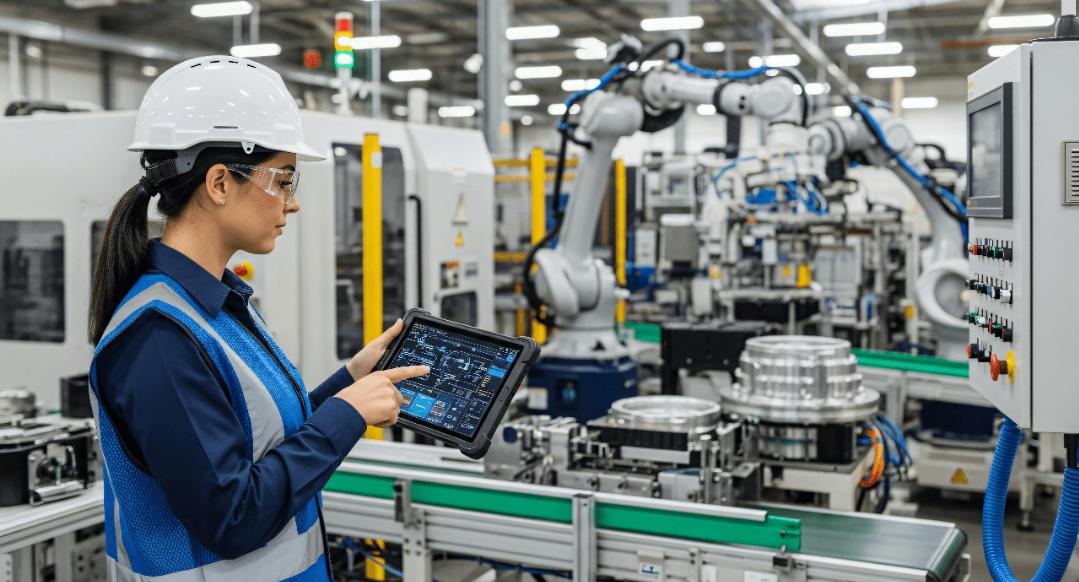
Germany ambient and industrial air quality monitoring systems industry is experiencing steady growth as industries, municipalities, and regulatory authorities prioritize environmental compliance and emissions control. The industry reached an estimated value of USD 1.42 billion, supported by increasing adoption of advanced monitoring technologies and a projected 6.8% growth rate over the coming years. Manufacturing hubs such as Stuttgart and Duisburg continue to drive demand for particulate matter sensors, gas analyzers, and continuous emissions monitoring solutions. The integration of IoT-enabled devices, artificial intelligence, and real-time data analytics is further transforming how organizations monitor and improve air quality performance across industrial and urban environments.
Market Drivers Advancing Germany Ambient and Industrial Air Quality Monitoring Systems Sector
Stringent Environmental Compliance Requirements
Germany maintains some of Europe’s strictest environmental regulations through the Federal Immission Control Act and EU Industrial Emissions Directive. Manufacturing facilities, power plants, steel producers, and chemical industries are required to continuously monitor pollutants such as nitrogen dioxide (NO₂), sulfur dioxide (SO₂), carbon monoxide, and particulate matter. These regulatory obligations are encouraging companies to upgrade legacy monitoring systems and invest in automated emission tracking technologies.
Growing Adoption of IoT and Smart Monitoring Networks
The deployment of IoT-enabled air quality sensors has significantly improved environmental monitoring capabilities. Municipal authorities increasingly use connected sensor networks to create hyper-local air pollution maps and track pollution hotspots in real time. Smart monitoring systems can transmit continuous data to centralized platforms, enabling quicker response times and more accurate environmental assessments. Industry studies indicate that connected environmental monitoring solutions can improve monitoring efficiency by more than 30% compared to conventional systems.
Industrial Modernization and Predictive Maintenance Integration
Germany strong manufacturing and construction sectors are accelerating investments in predictive maintenance solutions. Companies are integrating artificial intelligence with air monitoring equipment to detect performance issues before failures occur. Major industrial facilities are leveraging predictive analytics to reduce downtime, optimize filtration systems, and improve operational efficiency. This trend is particularly visible in steel manufacturing, automotive production, and large-scale industrial processing plants where uninterrupted environmental compliance is essential.
Government Initiatives Supporting Germany Ambient and Industrial Air Quality Monitoring Systems Growth
The German government continues to strengthen air quality management through environmental monitoring programs, emissions reduction targets, and industrial sustainability initiatives. Funding support for smart city projects has encouraged the installation of advanced sensor networks across urban centers. Additionally, compliance with European Union environmental regulations is driving infrastructure modernization and accelerating the deployment of next-generation monitoring technologies. These initiatives support improved public health outcomes while helping industries meet long-term decarbonization objectives.
Competitive Landscape of Germany Ambient and Industrial Air Quality Monitoring Systems Industry
The industry features a mix of established global manufacturers and specialized environmental technology providers. Companies such as Testo SE & Co. KGaA, Siemens, ABB, Thermo Fisher Scientific, and HORIBA are actively developing advanced monitoring solutions that combine real-time analytics, wireless connectivity, and predictive maintenance capabilities. Competition is increasingly focused on technological innovation, data accuracy, remote monitoring features, and integrated software platforms that help customers streamline environmental compliance and reporting processes.
Challenges Impacting Germany Ambient and Industrial Air Quality Monitoring Systems Industry
High Deployment and Maintenance Costs
Advanced air quality monitoring systems require significant upfront investment for sensor installation, calibration, software integration, and ongoing maintenance. Smaller industrial facilities may face budget constraints when transitioning from traditional monitoring equipment to sophisticated smart systems.
Data Management and Technical Complexity
The increasing volume of environmental data generated by connected sensors creates challenges related to data storage, cybersecurity, system integration, and analytics. Organizations often require specialized expertise to manage large datasets and ensure monitoring systems operate accurately and efficiently.
Future Outlook
Expansion of AI-Powered Monitoring Solutions
Artificial intelligence and machine learning technologies are expected to play a larger role in emissions forecasting, equipment diagnostics, and automated compliance reporting. These innovations will improve operational efficiency while enhancing environmental performance across industrial sectors.
Growth of Smart Environmental Infrastructure
Germany’s transition toward sustainable industrial development and smart city ecosystems will continue to support demand for connected air quality monitoring solutions. Increasing investments in digital environmental management, industrial modernization, and decarbonization programs are expected to create new growth opportunities across the industry. As regulatory standards become more stringent, organizations will increasingly adopt advanced monitoring technologies to ensure compliance, improve sustainability performance, and support long-term environmental objectives.
Consultants at Nexdigm, in their latest publication “Germany Ambient and Industrial Air Quality Monitoring Systems Market Outlook to 2035,” analyze the sector By (Define German Immission Control Parameters, Utilize Bottom-Up Revenue Aggregation, Segment Analysis by Industrial Vertical, Verify Data with Bundesnetzagentur Records,).
Nexdigm suggests that businesses in the Germany Ambient and Industrial Air Quality Monitoring Systems Industry should invest in AI-enabled monitoring platforms, IoT-connected sensor networks, and compliance-focused solutions to meet evolving environmental regulations, improve operational efficiency, strengthen sustainability performance, and support long-term industrial decarbonization goals.
To take the next step, simply visit our Request a Consultation page and share your requirements with us.
Harsh Mittal
+91-8422857704