
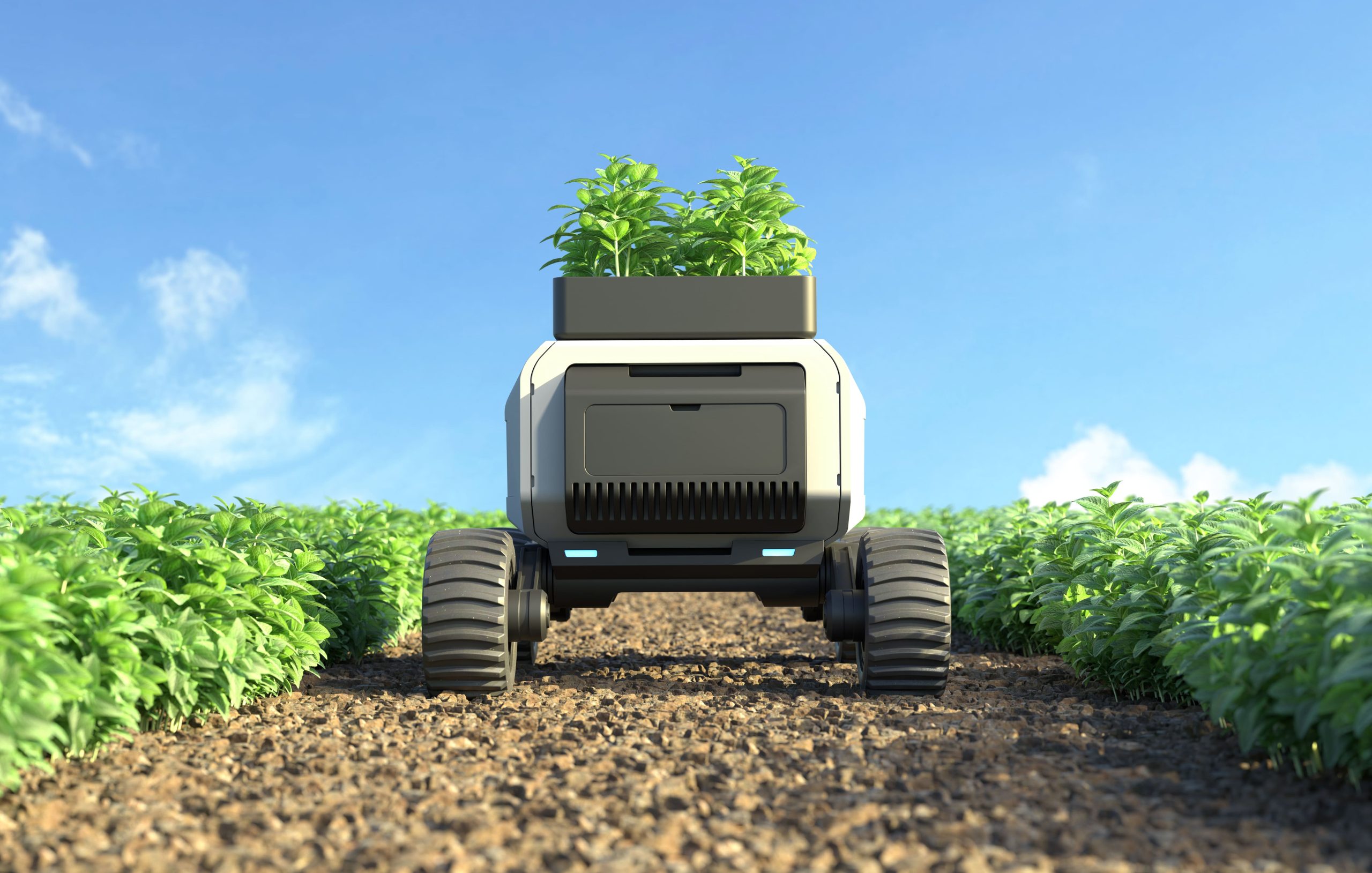
Germany’s agricultural machinery sector is witnessing a rapid transformation as farmers increasingly adopt precision agriculture technologies and autonomous machinery. As one of Europe’s largest agricultural equipment markets, Germany is at the forefront of integrating GPS-guided tractors, smart control systems, and AI-enabled farm automation. By 2026, a growing share of newly deployed tractors in Germany feature advanced telematics, satellite navigation, and semi-autonomous capabilities designed to optimize productivity and reduce operational costs. Rising labor shortages in rural areas, increasing farm consolidation, and the push for sustainable farming practices are accelerating the adoption of autonomous tractors. As digital agriculture expands across Europe, Germany is emerging as a key hub for smart farming innovation and deployment.
What’s Driving the Autonomous Tractor Market in Germany?
Rapid Adoption of Precision Agriculture Technologies
German farmers are increasingly adopting precision agriculture to enhance crop yields while reducing input costs. GPS-enabled tractors equipped with automated steering and variable rate technology allow farmers to perform field operations with high accuracy. These systems optimize seed placement, fertilizer application, and pesticide spraying, minimizing waste and improving efficiency. The integration of sensors, satellite mapping, and farm management software is enabling tractors to operate with minimal human intervention, further boosting productivity.
Labor Shortages in the Agricultural Sector
Germany’s agricultural sector has been facing a steady decline in available farm labor over the past decade. Many farms, particularly large commercial operations, are struggling to recruit skilled machine operators during peak farming seasons. Autonomous tractors equipped with smart control systems help address this issue by enabling continuous operations with limited supervision. By automating repetitive tasks such as plowing, seeding, and spraying, these tractors reduce dependency on manual labor while improving operational efficiency.
Growing Farm Consolidation and Larger Field Sizes
Farm consolidation across Germany is also contributing to the demand for autonomous tractors. Larger farms require highly efficient machinery capable of covering extensive land areas with minimal downtime. GPS-guided tractors allow operators to manage multiple machines simultaneously through centralized digital platforms. This capability enables large-scale farms to streamline field operations and reduce fuel consumption, making autonomous systems an attractive investment for modern agricultural enterprises.
Government-Led Initiatives Supporting Smart Farming
The German government and the European Union are actively supporting the adoption of digital agriculture technologies. Programs under the EU’s Common Agricultural Policy (CAP) and Germany’s national digitalization strategy provide funding and incentives for farmers investing in precision agriculture equipment. Subsidies for smart farming technologies, including automated tractors and GPS-based machinery, are helping farms transition toward data-driven agriculture. Additionally, research collaborations between universities, agricultural institutes, and machinery manufacturers are accelerating innovation in autonomous farming systems.
Market Competition
The Germany autonomous tractor market is highly competitive and driven by strong participation from global agricultural machinery manufacturers. Key players include John Deere, CNH Industrial (New Holland Agriculture and Case IH), AGCO Corporation (Fendt and Massey Ferguson), and Kubota Corporation. German-based brand Fendt, a subsidiary of AGCO, has been a pioneer in autonomous tractor technologies with its FendtONE platform that integrates machine control, farm management software, and telematics into a unified system. Meanwhile, John Deere has expanded its presence in Europe with fully autonomous tractor solutions equipped with AI-powered computer vision and advanced GPS guidance systems. Manufacturers are increasingly investing in connectivity, cloud-based analytics, and remote monitoring capabilities to differentiate their offerings in the smart agriculture market.
High Initial Costs and Technology Integration Challenges
Despite strong growth prospects, the autonomous tractor market in Germany faces several challenges. High upfront costs associated with GPS guidance systems, sensors, cameras, and AI-driven software can make adoption difficult for small and mid-sized farms. Additionally, integrating autonomous systems with existing farm equipment and digital platforms can require significant technical expertise. Connectivity limitations in certain rural areas may also affect the performance of cloud-based farm management systems and real-time data exchange.
Future Outlook
The Germany autonomous tractor market is expected to expand significantly through 2035 as digital farming technologies become mainstream. Increasing adoption of GPS guidance, AI-based navigation, and machine-to-machine communication will enable tractors to perform complex field operations autonomously. By the early 2030s, a large share of new tractors sold in Germany is expected to feature semi-autonomous or fully autonomous capabilities, supported by advanced sensor systems and real-time data analytics. Smart control platforms will allow farmers to manage entire fleets of agricultural machines remotely, improving operational efficiency and reducing fuel consumption. As sustainability regulations tighten across the European Union, autonomous tractors will also play a key role in enabling precision input management and reducing environmental impact. Germany is therefore expected to remain a leader in the adoption of smart agricultural machinery across Europe.
Consultants at Nexdigm, in their latest publication “Germany Autonomous Tractor Market Outlook to 2035”, analyzed the market by Level of Autonomy (Semi-Autonomous, Fully Autonomous), By Technology (GPS Guidance Systems, Machine Vision, LiDAR and Sensor Systems, Telematics), By Application (Plowing, Seeding, Spraying, Harvesting), and By Farm Size (Small Farms, Medium Farms, Large Commercial Farms). Nexdigm believes that manufacturers should prioritize scalable automation platforms, interoperability with farm management software, and cost-efficient retrofitting solutions for existing tractors to accelerate adoption across Europe’s digital agriculture ecosystem.
To take the next step, simply visit our Request a Consultation page and share your requirements with us.
Harsh Mittal
+91-8422857704