
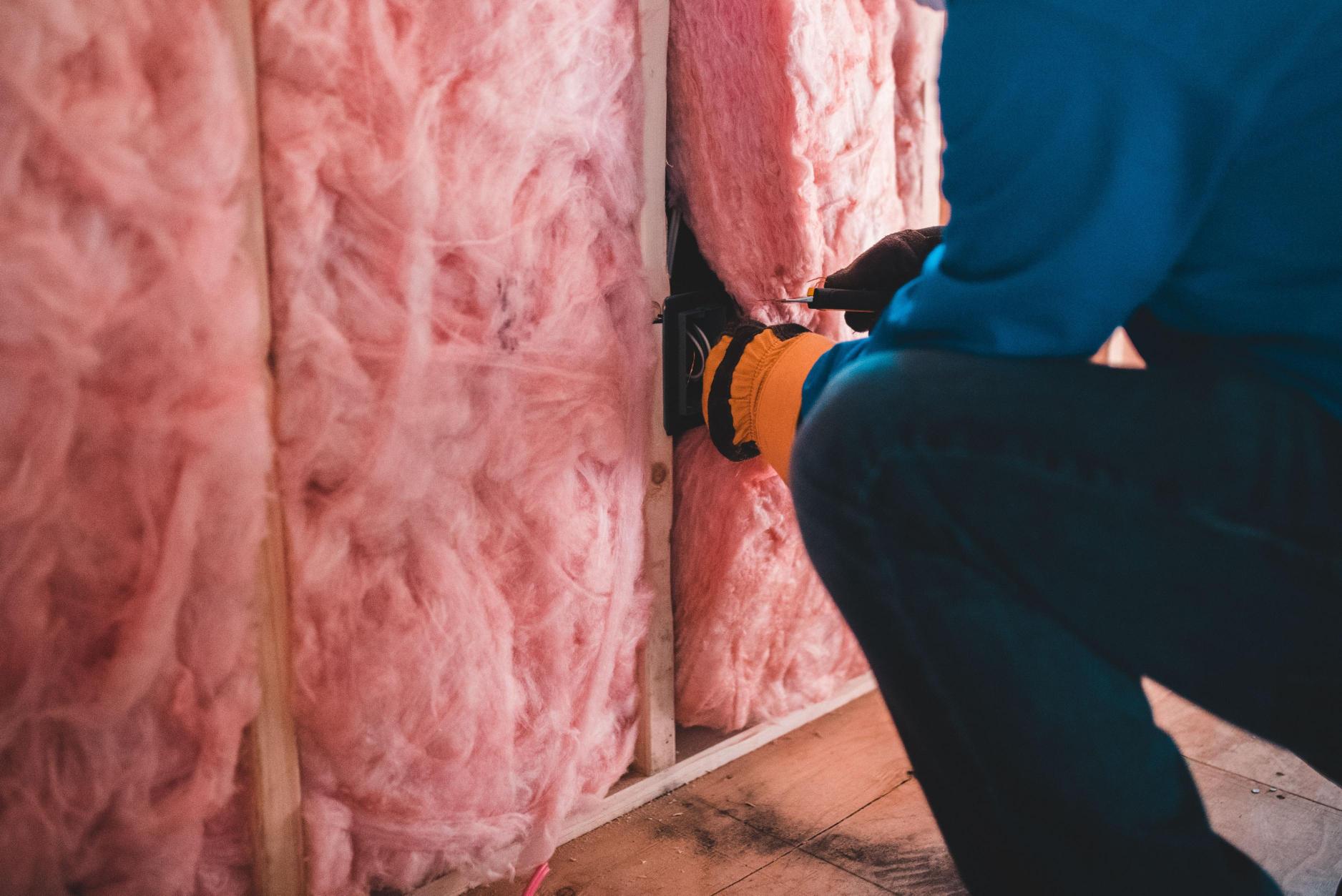
The Germany building thermal insulation industry is experiencing steady growth as energy efficiency becomes a priority across residential, commercial, and industrial construction. The industry is valued at approximately USD 6.42 billion and is projected to expand at a 5.5% CAGR, reaching nearly USD 10.92 billion by the end of the forecast period. Rising energy costs, stringent building efficiency requirements, and large-scale retrofitting of aging structures are encouraging the adoption of advanced insulation materials. Demand for sustainable and high-performance solutions is further transforming the industry as Germany advances toward its long-term climate and carbon reduction objectives.
Market Drivers Advancing Germany Building Thermal Insulation Growth
Growing Demand for Building Retrofitting
A significant driver of industry expansion is the increasing renovation and retrofitting of older residential and commercial buildings. Germany’s aging building stock requires energy-efficiency upgrades to meet modern performance standards. Property owners are investing in wall, roof, and façade insulation to reduce heat loss and lower energy consumption. Retrofitting projects have gained momentum as rising utility costs highlight the long-term savings associated with improved thermal performance.
Transition Toward Sustainable Insulation Materials
Manufacturers are increasingly developing eco-friendly insulation products made from renewable and recyclable materials such as wood fiber, hemp, and cellulose. Growing environmental awareness and sustainability targets have accelerated demand for low-carbon construction materials. These insulation solutions not only enhance energy efficiency but also support broader decarbonization goals within the construction sector.
Rising Need for High-Performance Building Solutions
As construction standards become more demanding, developers are adopting advanced insulation technologies with superior thermal resistance. Polyurethane foams, mineral wool products, and high-R-value composite systems are gaining popularity due to their effectiveness in improving building performance. Commercial developers and industrial facility operators increasingly view thermal insulation as a critical investment for reducing operational costs and enhancing environmental compliance.
Government Initiatives Supporting Germany Building Thermal Insulation Sector
Government support remains a major contributor to industry development. Regulations under the Building Energy Act (GEG) establish strict energy-efficiency requirements for new and renovated buildings. In addition, Germany’s climate protection strategies and alignment with the European Green Deal encourage the adoption of advanced thermal insulation solutions. Financial incentives for building modernization and energy-saving renovations further promote investment in in insulation technologies across the construction sector.
Competitive Landscape of Germany Building Thermal Insulation Industry
The Germany building thermal insulation industry is highly competitive, featuring established domestic and international manufacturers. Key participants include BASF SE, Saint-Gobain ISOVER, G+H Group, Rockwool, Knauf Insulation, and Kingspan Group. Companies compete through product innovation, sustainability-focused offerings, and high-performance insulation technologies. Strategic investments in bio-based materials and low-carbon manufacturing processes are becoming important for differentiators across the industry.
Challenges Impacting Germany Building Thermal Insulation Industry
High Material and Installation Costs
Advanced insulation systems often involve substantial upfront expenses, which can discourage adoption among cost-sensitive property owners. Although energy savings are significant over the long term, initial investment requirements remain a challenge.
Supply Chain and Raw Material Volatility
Fluctuations in raw material prices and supply chain disruptions can impact manufacturing costs and product availability. Companies must manage procurement risks while maintaining competitive pricing and product quality.
Future Outlook
The future of the Germany building thermal insulation industry remains promising as stricter efficiency requirements, sustainability objectives, and building modernization programs continue to accelerate adoption. Growing demand for bio-based insulation materials, high-performance composite systems, and energy-saving retrofits will create significant opportunities across residential and commercial construction. As Germany advances its climate-neutral ambitions, thermal insulation solutions will play an increasingly important role in reducing energy consumption and supporting sustainable building development.
Consultants at Nexdigm, in their latest publication “Germany Building Thermal Insulation Market Outlook to 2035 ,” analyze the sector By (GEG Directive Regulatory Review, Bottom-Up Construction Output Analysis, Primary Industry Expert Interviews, Supply Side Capacity Assessment, Demand-Side Building Permit Tracking).
Nexdigm suggests that businesses in the Germany Building Thermal Insulation Market focus on high-performance insulation systems for residential retrofitting projects, leveraging demand generated by stringent energy-efficiency regulations, sustainable building practices, and the transition toward low-carbon construction materials.
To take the next step, simply visit our Request a Consultation page and share your requirements with us.
Harsh Mittal
+91-8422857704