
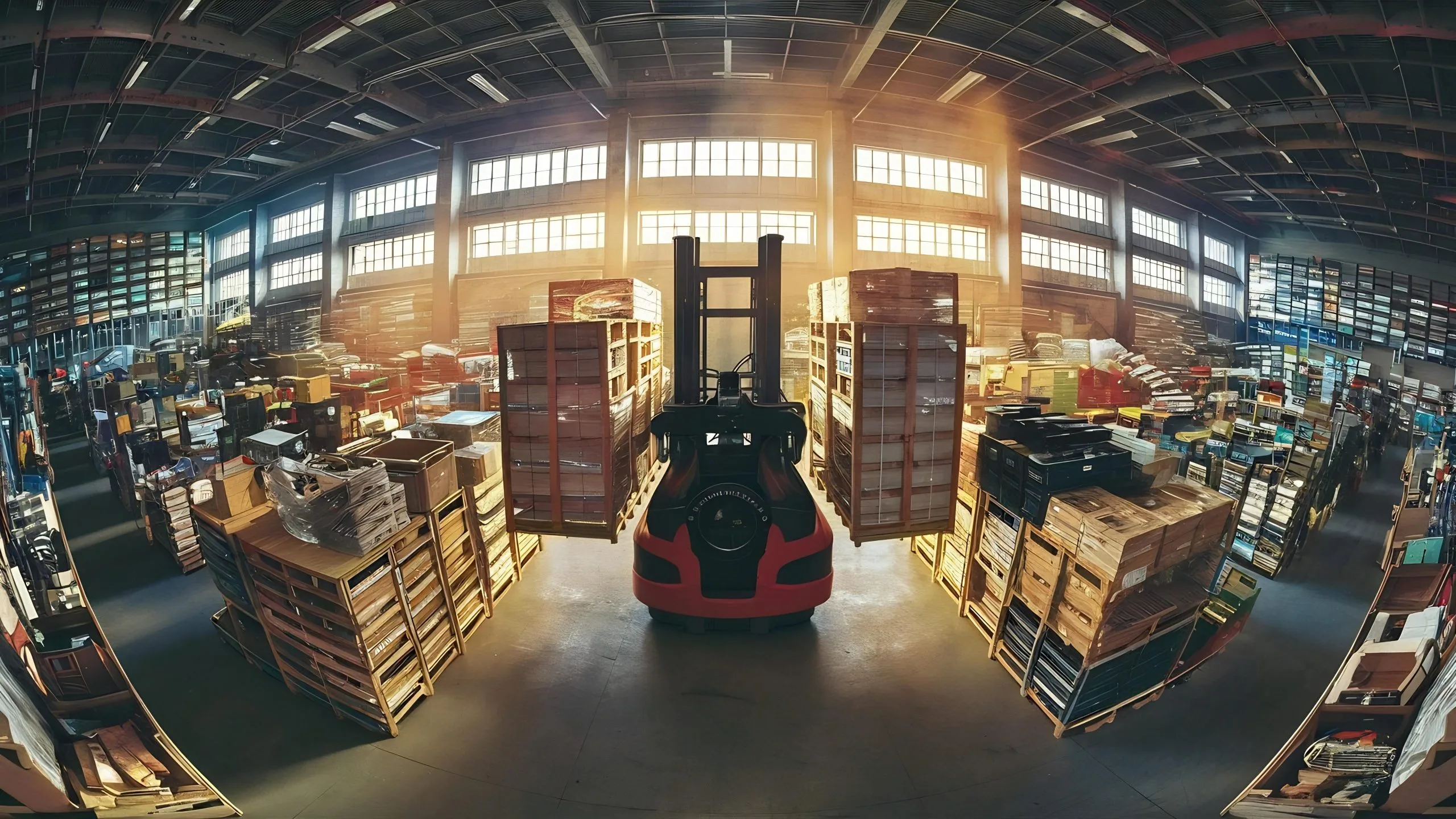
Germany’s Courier, Express, and Parcel (CEP) market is experiencing significant transformation, driven by growing e-commerce demand, technological advancements, and the need for faster deliveries. With consumers expecting quicker shipping times, the CEP industry is booming, and Germany is at the heart of it all. In the coming years, the market is expected to reach heights, fueled by the rise of online shopping and growing interest in same-day deliveries. Companies in Germany are rapidly adapting to the evolving landscape, making it one of Europe’s top logistics hubs. The German CEP sector is becoming increasingly important not just for domestic shipping but also for facilitating international trade and cross-border e-commerce.
Key Drivers of Growth in Germany’s CEP Market
E-Commerce Growth and Consumer Demand for Speedier Deliveries
As e-commerce continues to thrive in Germany, the need for efficient and speedy parcel deliveries has surged. Online retail sales reached EUR 94 billion and are expected to rise significantly over the next few years. Consumers now demand faster, more reliable delivery services, including same-day and next-day options, to meet their ever-increasing expectations for convenience. Germany’s well-established position in European e-commerce, with major platforms like Amazon and Zalando leading the way, is amplifying this demand. Retailers are collaborating with logistics companies to optimize delivery processes, providing consumers with a seamless shopping experience.
Technological Advancements Driving Operational Efficiency
The integration of cutting-edge technology into logistics operations is helping Germany’s CEP sector keep up with growing demand. Automation in sorting facilities, real-time tracking, and AI-powered route optimization are improving delivery efficiency and reducing operational costs. Many logistics companies are investing heavily in these technologies to stay ahead in a competitive market. These innovations are not just helping businesses reduce delays but are also increasing reliability and customer satisfaction. As delivery expectations continue to rise, technology is essential in maintaining high standards and ensuring the speed and accuracy that consumers now expect.
The Green Logistics Movement: Sustainable Delivery Solutions
Sustainability is becoming a major focus for the German CEP market. Environmental concerns and new regulations are pushing companies to adopt green logistics practices. Many CEP providers are transitioning to electric vehicles for deliveries, especially in city centers, to reduce emissions. Additionally, there is a strong push towards sustainable packaging and carbon-neutral shipping options. Consumers are becoming more environmentally conscious, and many are actively seeking out companies that prioritize sustainability. As a result, investing in eco-friendly logistics solutions is not just good for the planet it’s also a strong competitive differentiator in the marketplace.
Government Support for the Germany’s CEP Sector
The German government is actively supporting the growth of the CEP industry through major investments in transportation infrastructure, including upgrades to rail, highways, and ports. These developments aim to improve the efficiency of goods movement, reduce congestion, and ensure faster delivery times. Sustainability is also a focus, with government incentives encouraging CEP providers to switch to electric vehicles and reduce carbon emissions. Such initiatives are laying the foundation for a future where green logistics practices are the norm.
Competitive Insights of Germany’s CEP Market
The German CEP market is highly competitive, with both global players and strong local companies battling for market share. Major international players like DHL, UPS, and FedEx dominate the market, while local companies such as Hermes and Deutsche Post play an equally crucial role. To stay competitive, companies are expanding their delivery networks, improving technology adoption, and exploring new logistics solutions like electric fleets and automation. Strategic collaborations with retailers and e-commerce platforms are helping CEP providers deliver more tailored solutions to meet customer needs.
Navigating the Challenges in Germany’s CEP Market
Rising Operational Costs and Labor Shortages
As the demand for faster deliveries increases, the cost of logistics operations continues to rise. Labor shortages and increased fuel prices are putting pressure on CEP companies to maintain affordable delivery services while managing profitability. Logistics providers are now focusing on automation, route optimization, and other digital solutions to alleviate these rising costs. The competitive landscape is forcing companies to find innovative ways to manage operational costs without compromising service quality. Investments in technology are proving to be a critical strategy for ensuring sustainable business growth.
Last-Mile Delivery Complexity and Urban Congestion
Last-mile delivery in densely populated urban areas is one of the most challenging aspects of the CEP industry. Traffic congestion, narrow streets, and limited delivery windows make it difficult to ensure timely and efficient deliveries. Companies are investing in smaller delivery vehicles and local distribution centers to overcome these obstacles. Urban logistics is increasingly becoming a focus area, with companies exploring solutions such as crowd-sourced delivery services, drones, and electric delivery bikes to address last-mile challenges while minimizing environmental impact.
Future Outlook
The future of Germany’s CEP market looks promising, driven by e-commerce growth, technological innovations, and the ongoing push toward sustainability. As delivery speed becomes a major differentiator, logistics companies are increasingly relying on AI, automation, and electric vehicles to meet consumer demands for faster and greener delivery options. With investments in infrastructure, technology, and sustainability, Germany is well-positioned to lead the CEP sector in Europe and beyond. Companies that focus on innovation, operational efficiency, and customer-centric solutions will be best positioned to succeed in the evolving logistics landscape, making the German CEP market one to watch in the coming decades.
Consultants at Nexdigm, in their latest publication Germany CEP Market Outlook to 2035 analyze the sector by Fitment Type (Business to Business Delivery services, Business to Consumer and Consumer to Consumer Delivery Services), by End User Segment (E Commerce Retailers, Manufacturing and Industrial Shippers, Healthcare and Pharmaceutical Companies).
Nexdigm suggests that businesses in Germany should invest in technology that improves user experience and integrates seamlessly into smart homes. Also, focusing on sustainability through eco-friendly designs and energy-efficient products will resonate with today’s environmentally conscious consumers. By staying ahead of trends and continuously innovating, businesses can tap into new growth opportunities and ensure their long-term success in the competitive Germany CEP market.
To take the next step, simply visit our Request a Consultation page and share your requirements with us.
Harsh Mittal
+91-8422857704