
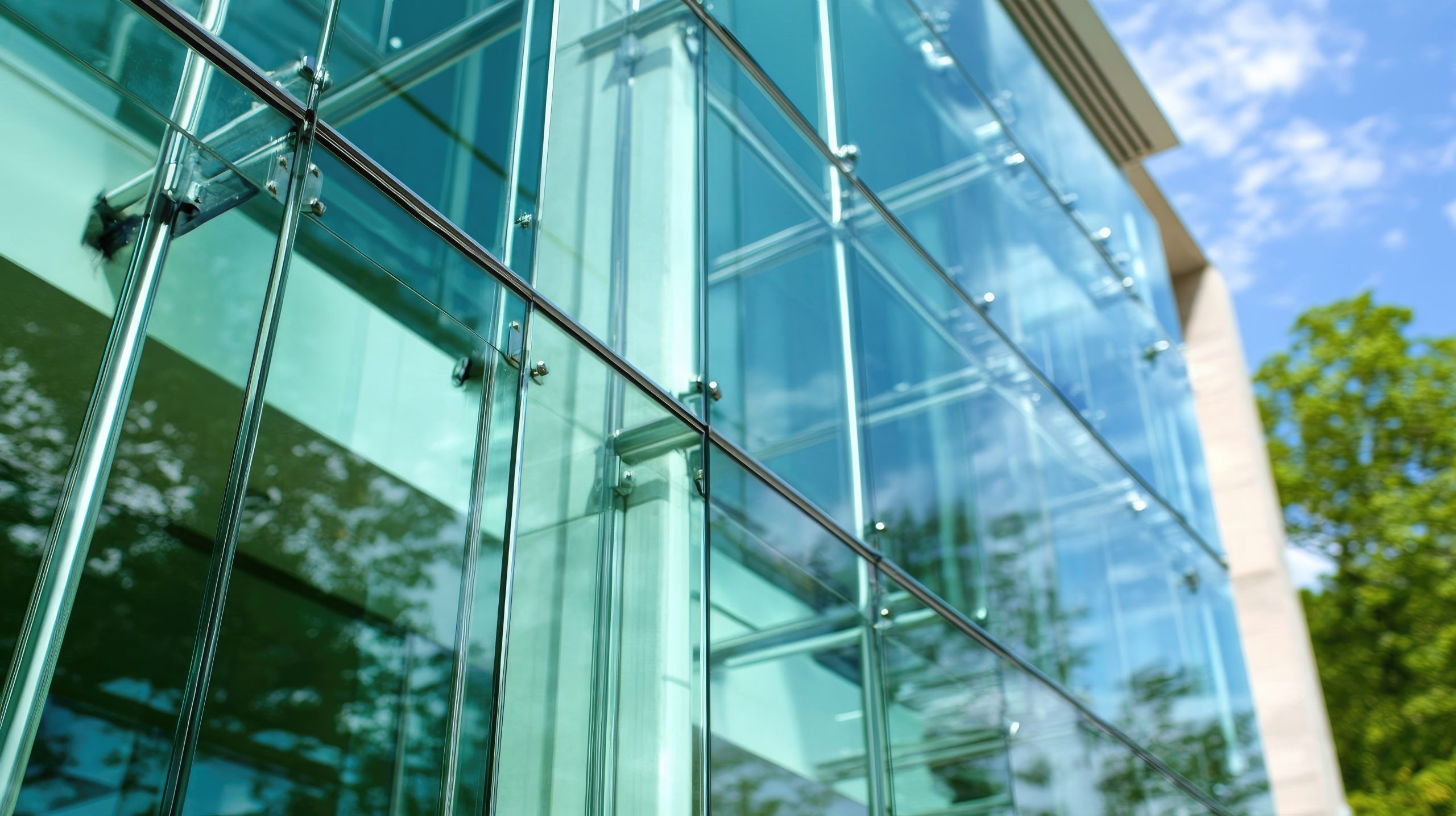
Germany’s coated glass market is becoming increasingly tied to the country’s push for energy-efficient buildings, renovation, and renewable energy. Architects and property owners are looking beyond conventional glazing toward Low-E, solar-control, and other high-performance coated products that help improve insulation and indoor comfort. Buildings account for around 35% of Germany’s final energy consumption, making better-performing façades and windows an important part of efficiency efforts. Building-related final energy consumption has already fallen by about 20.2% between 2008 and 2024, but further improvement remains necessary.
Key Factors Driving Germany’s Coated Glass Industry
Building Renovation Is Creating Stronger Demand for High-Performance Glass
Germany has a large existing building stock, making renovation one of the biggest opportunities for the coated glass industry. Improving older windows and façades can reduce unwanted heat transfer and strengthen the overall energy performance of residential and commercial properties. In 2024, space heating alone represented approximately 27.4% of Germany’s total final energy consumption, while hot water accounted for another 5.1%. Together, building-related heating and hot-water use represented around 32.5% of national final energy consumption. These figures are encouraging developers and homeowners to consider Low-E glass, double and triple glazing, and advanced thermal coatings during refurbishment projects.
Germany’s Solar Expansion Opens New Opportunities for Coated Glass
Germany’s growing solar sector is another important driver. Installed solar capacity reached approximately 117 GW by the end of 2025, after around 16.4 GW of new solar capacity was added during the year. Nearly half of the new capacity was installed on buildings. This creates opportunities for coated glass used in photovoltaic modules, anti-reflective applications, and emerging building-integrated photovoltaic systems. Germany is targeting 215 GW of solar capacity by 2030, which means average annual additions of around 19.6 GW would be needed to reach the goal.
Sustainability Is Changing Germany’s Architectural Glass Preferences
German construction is increasingly focused on reducing operational energy use while maintaining daylight, comfort, and architectural quality. Low-E coatings can reduce heat transfer through glass while allowing buildings to retain large glazed areas. As sustainability standards influence new construction and renovation decisions, architects are increasingly specifying coated products that balance thermal insulation, solar control, transparency, and design flexibility.
Government Initiatives Supporting Germany’s Coated Glass Market
Germany’s energy-transition policies continue to support the use of more efficient building materials. Federal programs promote energy-efficient construction and renovation, while financial support is available for measures designed to lower building energy demand. The government’s focus is particularly important because buildings still account for roughly 35% of final energy consumption. Funding for efficiency improvements and renewable-energy integration indirectly supports demand for advanced windows, façade systems, insulated glazing, and Low-E coated glass.
Competitive Landscape of Germany’s Coated Glass Industry
Germany’s coated glass market includes global manufacturers, European glass groups, specialist processors, façade contractors, and regional glazing companies. Competition increasingly revolves around thermal performance, solar control, durability, sustainability credentials, and architectural flexibility. Companies such as Saint-Gobain, AGC, and Guardian Glass participate in the wider German and European architectural glass ecosystem. Guardian, for example, offers Low-E solutions including ClimaGuard and Guardian Sun, while maintaining an extensive network of German processors and façade partners.
Challenges Affecting Germany’s Coated Glass Market
Advanced Coated Glass Comes With Higher Costs
High-performance Low-E, multi-layer, and solar-control coatings generally cost more than conventional glazing. This can make project economics more difficult, particularly when renovation budgets are tight. Customers therefore need a clear understanding of lifecycle savings before choosing premium glass.
Weak Construction Activity Can Affect Short-Term Demand
Germany’s coated glass industry also depends heavily on construction and renovation activity. Higher financing costs, labour shortages, material expenses, and slower property development can delay new projects. These pressures may temporarily restrict demand even as long-term energy-efficiency requirements remain supportive.
Future Outlook
As we look ahead, Germany’s coated glass industry is moving toward a market where glass is expected to contribute actively to building performance rather than simply provide visibility and design appeal. The opportunity is especially strong in renovation, where replacing inefficient glazing can help reduce heating requirements while making older buildings more comfortable. Solar growth also creates another route for innovation. Germany already had 117 GW of installed solar capacity at the end of 2025, yet the national target stands at 215 GW by 2030. As these trends continue, Low-E glass, solar-control coatings, advanced insulating units, smart glazing, and photovoltaic glass should become increasingly important across the German market.
Consultants at Nexdigm, in their latest publication “Germany Coated Glass Market Outlook to 2035,” analyze the sector By Coating Type (Low E Coated Glass, Single Silver, Double Silver, Triple Silver E Coated Glass and Neutral Solar Control Glass), By Glass Substrate Type (Float, Tempered, Heat Strengthened Glass), By Application Type (Commercial, Office Buildings and Healthcare Facilities)
Nexdigm suggests that businesses in Germany’s Coated Glass Industry should prioritize energy-efficient glazing, advanced Low-E technologies, and sustainable manufacturing. Companies should strengthen local partnerships, invest in innovation, address renovation demand, and align product portfolios with Germany’s building-efficiency standards and expanding solar applications.
To take the next step, simply visit our Request a Consultation page and share your requirements with us.
Harsh Mittal
+91-8422857704