
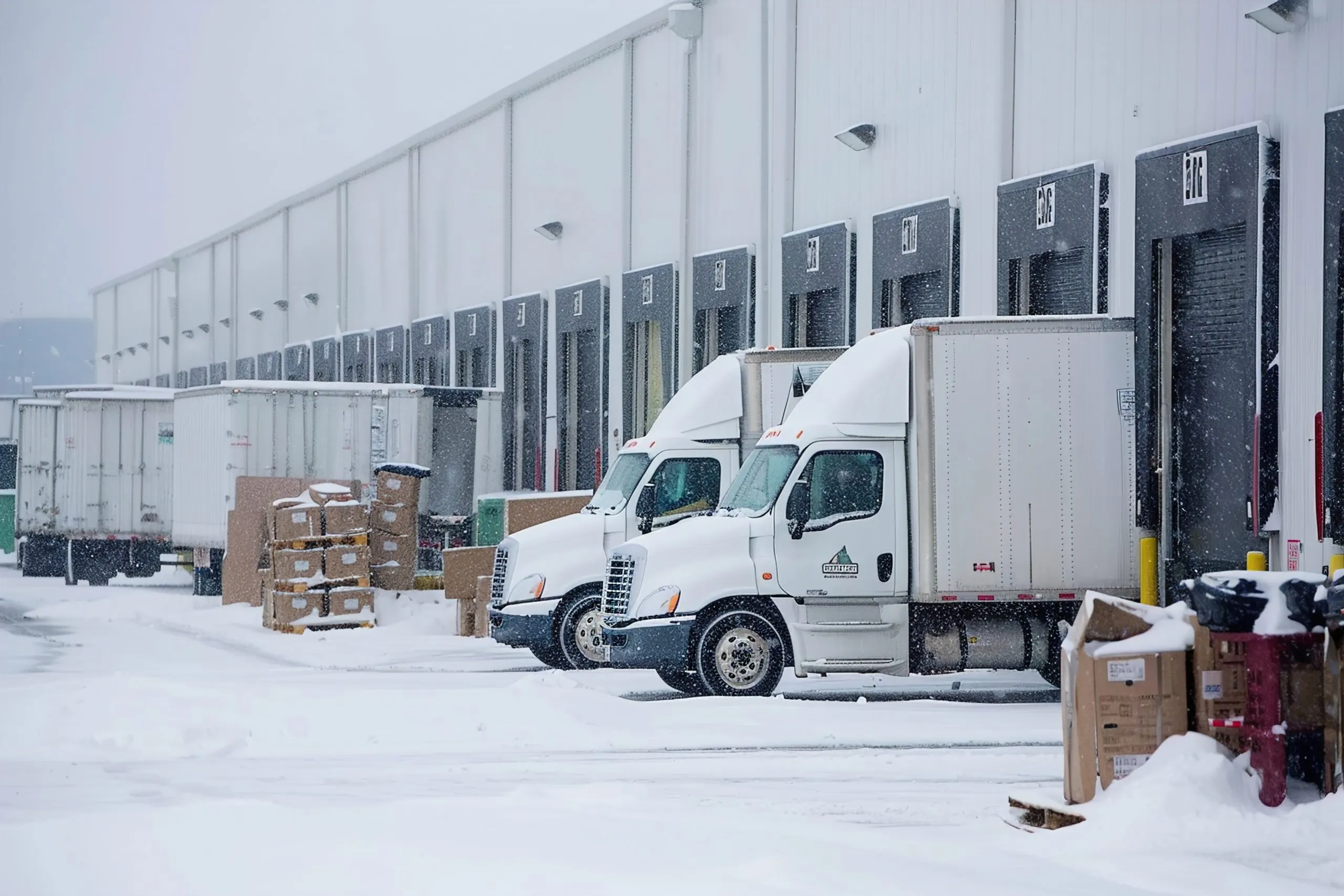
Germany’s cold chain logistics market, central to the nation’s food and pharmaceutical ecosystems, is undergoing sustained growth driven by rising demand for temperature‑sensitive goods and advanced logistics technologies. As cold chain solutions become critical to deliver fresh produce, frozen foods and biologic medicines, logistics providers are expanding refrigerated fleets, automated warehouses and digital monitoring systems to ensure product integrity. Recent estimates show the domestic market was valued in the low‑to‑mid‑double digits of billions of USD in the mid‑2020s, with strong expansion projected across the next decade. This expansion aligns with broader European cold chain growth trends and stricter regulatory requirements for traceability and quality control.
Key Drivers of Growth in Germany’s Cold Chain Logistics Market
Strong Demand for Perishable and Pharmaceutical Goods
Germany’s robust consumer market for fresh and frozen foods — including dairy, meat and seafood — is a major driver of cold chain logistics capacity. Growth in e‑commerce and online grocery delivery services has increased the volume and complexity of last‑mile refrigerated transport, pushing logistics operators to scale fleets and improve temperature reliability. The pharmaceutical sector, particularly biologics, vaccines, and temperature‑sensitive therapies, also fuels demand for precise cold chain services. Innovations such as IoT‑based monitoring and real‑time temperature tracking enhance the reliability of pharmaceutical cold chains and reduce product losses during transit.
Technological Adoption and Digital Infrastructure
Investment in advanced technologies is reshaping how cold chain logistics functions in Germany. Automated warehouses, AI‑driven inventory planning and blockchain‑enabled traceability systems help reduce spoilage and compliance risk while optimizing route planning and energy use. Integration of sensors and monitoring platforms ensures continuous visibility across refrigerated transport and storage, improving service offerings and enabling premium pricing on value‑added logistics contracts. These shifts support long‑term competitive positioning against traditional haulage models.
Government Policies and Initiatives Boosting Cold Chain Logistics in Germany
Government and EU‑level policies reinforce cold chain logistics modernization. Regulatory frameworks such as the EU’s sustainability and food traceability mandates incentivize investment in energy‑efficient refrigeration systems and compliance technologies. Funding programs under the European Green Deal aim to reduce carbon emissions in logistics and encourage renewable energy adoption in cold warehouses. Such initiatives align public sector goals with private sector investments in temperature‑controlled infrastructure and digital monitoring capacity.
Overview of Key Players and Competition in Germany’s Cold Chain Logistics Market
The Germany cold chain logistics sector is moderately fragmented with several global and regional players operating across transport and storage services. Leading logistics providers, including major international firms with strong refrigerated networks, are investing in capacity expansion, technology upgrades, and strategic partnerships to capture growing demand. Market competition centers on service quality, temperature assurance, and end‑to‑end visibility for customers in food retail and healthcare supply chains.
Key Challenges Facing Germany’s Cold Chain Logistics Industry
Operational Costs and Skills Gap
High energy costs and the need for specialized refrigeration infrastructure remain significant challenges for cold chain operators. Rising electricity prices directly impact operating margins, requiring investment in energy‑efficient systems that carry high upfront costs. Additionally, there is a noted shortage of qualified drivers and skilled logistics personnel with hazardous‑goods ADR certifications, which limits capacity and can drive wage inflation in transport segments.
Future Outlook
Looking toward 2035, Germany’s cold chain logistics market is expected to grow robustly as demand for fresh foods, biologics, and e‑grocery deliveries continues upward, with some forecasts projecting double‑digit CAGR trajectories across the broader European market. Market expansion will likely focus on automation, sustainable refrigeration solutions, and enhance digital connectivity to improve traceability and reduce emissions. Strategic investments in infrastructure near major metropolitan hubs and gateway ports will support faster delivery times. These dynamics position Germany to maintain a leading role in Europe’s cold chain logistics landscape through 2035.
Consultants at Nexdigm, in their latest publication “Germany Cold Chain Logistics Market Outlook to 2035,” analyze the sector by System Type (Refrigerated Transportation Systems, Temperature Controlled Warehousing Systems, Cold Storage Distribution Systems, Pharmaceutical Grade Cold Chain Systems), By Platform Type (Road Based Refrigerated Logistics, Rail Refrigerated Freight Systems, Air Cargo Cold Chain Platforms), and By Fitment Type (Standalone Refrigerated Transport Units, Integrated Cold Storage Facilities, Modular Cold Chain Infrastructure). Nexdigm suggests that businesses should leverage advanced technologies, optimize supply chain efficiencies, and comply with regulatory standards to stay competitive in the evolving cold chain logistics market.
To take the next step, simply visit our Request a Consultation page and share your requirements with us.
Harsh Mittal
+91-8422857704