
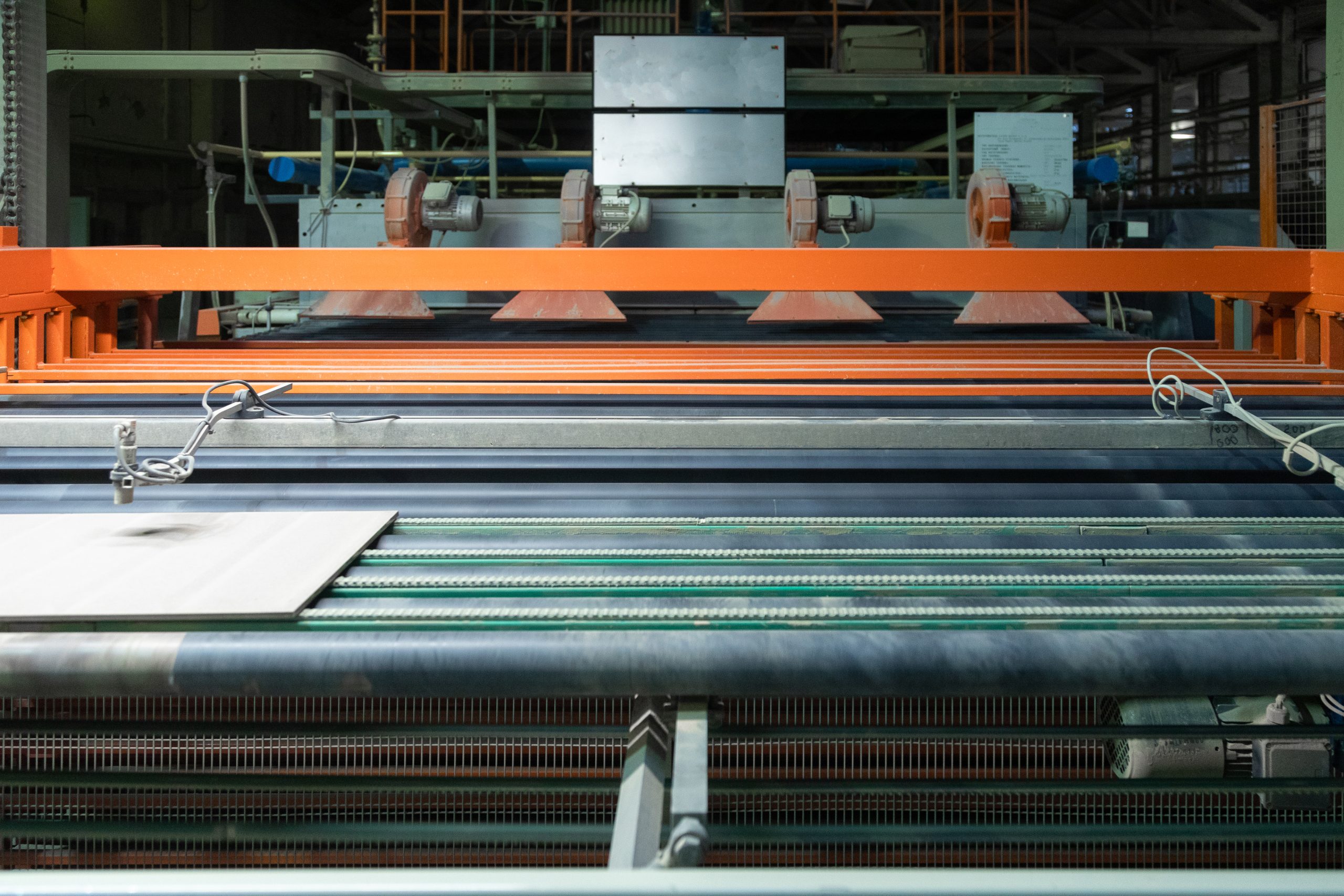
Germany composite rollers market is gaining momentum as manufacturers increasingly prioritize lightweight, durable, and high-performance industrial components. Composite rollers are widely used in automotive production, aerospace manufacturing, packaging machinery, semiconductor processing, and printing equipment due to their superior strength-to-weight ratio and corrosion resistance. Compared to conventional metallic rollers, composite variants can reduce rotational weight by up to 40%, improving machine efficiency and reducing energy consumption. Germany’s strong engineering ecosystem, advanced manufacturing capabilities, and focus on industrial automation continue to create favorable conditions for the adoption of composite roller technologies across multiple industries.
Market Drivers Advancing the Germany Composite Rollers Growth
Growing Demand from Automotive and Aerospace Industries
Germany remains one of Europe’s largest automotive manufacturing hubs, with leading OEMs continuously investing in lightweight materials to improve operational efficiency and sustainability. Composite rollers are increasingly incorporated into manufacturing lines because they reduce machine vibration, support high-speed production, and enhance precision. In aerospace manufacturing, where lightweight and durable components are critical, composite rollers provide excellent mechanical performance while minimizing wear and maintenance requirements. The growing production of electric vehicles is further supporting demand for advanced manufacturing equipment that utilizes composite roller technology.
Expansion of Industrial Automation and Smart Manufacturing
The rapid adoption of Industry 4.0 technologies across Germany’s manufacturing sector is driving demand for advanced industrial components. Composite rollers offer superior dimensional stability, enabling greater precision in automated production environments. As factories increasingly deploy robotics, automated material handling systems, and intelligent production lines, manufacturers seek roller solutions capable of maintaining consistent performance under high-speed operating conditions. The ability of composite rollers to withstand harsh industrial environments while reducing downtime has accelerated their adoption.
Rising Need for Energy-Efficient Machinery
Manufacturers are under increasing pressure to minimize operational costs and improve sustainability. Composite rollers can be significantly lighter than steel alternatives, often reducing rotational inertia by 30–40%. This reduction improves machine efficiency, lowers energy consumption, and supports corporate sustainability goals, making composite rollers an attractive solution across numerous industrial applications.
Government Initiatives Supporting Germany Composite Rollers Industry
The German government continues to promote advanced manufacturing through initiatives supporting digital transformation, Industry 4.0 adoption, and sustainable industrial development. Various programs encourage investments in energy-efficient production technologies, automation systems, and innovative materials engineering. Support for research collaborations between universities, technology institutes, and manufacturing companies has accelerated the development of lightweight composite materials. These efforts strengthen Germany position as a leader in precision engineering and advanced industrial manufacturing.
Competitive Landscape of Germany Composite Rollers Sector
The Germany composite rollers market is characterized by the presence of specialized engineering firms, composite material manufacturers, and industrial equipment suppliers. Companies compete through product innovation, customized roller solutions, advanced material technologies, and enhanced durability. Market participants are increasingly focusing on research and development to improve performance characteristics such as corrosion resistance, load-bearing capacity, and operational lifespan. Strategic partnerships with automotive, aerospace, and industrial machinery manufacturers remain an important competitive strategy.
Challenges Impacting Germany Composite Rollers Industry
High Initial Manufacturing Costs
Despite their performance advantages, composite rollers often involve higher production and material costs than conventional metallic rollers. Specialized raw materials and advanced manufacturing processes can increase initial investment requirements for end users.
Limited Awareness in Traditional Industries
Certain industrial sectors continue to rely on traditional steel rollers due to familiarity and established procurement practices. Convincing manufacturers to transition to composite alternatives may require extensive demonstrations of long-term cost savings, durability benefits, and operational efficiency improvements.
Future Outlook
The future of Germany composite rollers market appears promising as manufacturers increasingly embrace lightweight, high-performance industrial components. Growth is expected to be supported by ongoing investments in smart factories, industrial automation, electric vehicle manufacturing, and energy-efficient production systems. Advancements in composite material technology will likely improve product performance while reducing manufacturing costs. As industries continue to prioritize sustainability, precision engineering, and operational efficiency, composite rollers are expected to play an increasingly important role in Germany’s advanced manufacturing landscape, creating new opportunities for suppliers and technology developers.
Consultants at Nexdigm, in their latest publication “Germany Composite Rollers Market Outlook to 2035,” analyze the sector By (Market Definition and Scope, Germany Composite Rollers Market Classification, Composite Roller Technology Mapping, Carbon Fiber Composite Roller Assessment, Fiberglass Composite Roller Evaluation).
Nexdigm suggests that businesses in the Germany Composite Rollers Industry focus on innovation-driven product development, automation, sustainability initiatives, and strategic partnerships to address industrial requirements while enhancing efficiency, durability, and competitiveness across key manufacturing and logistics sectors.
To take the next step, simply visit our Request a Consultation page and share your requirements with us.
Harsh Mittal
+91-8422857704