
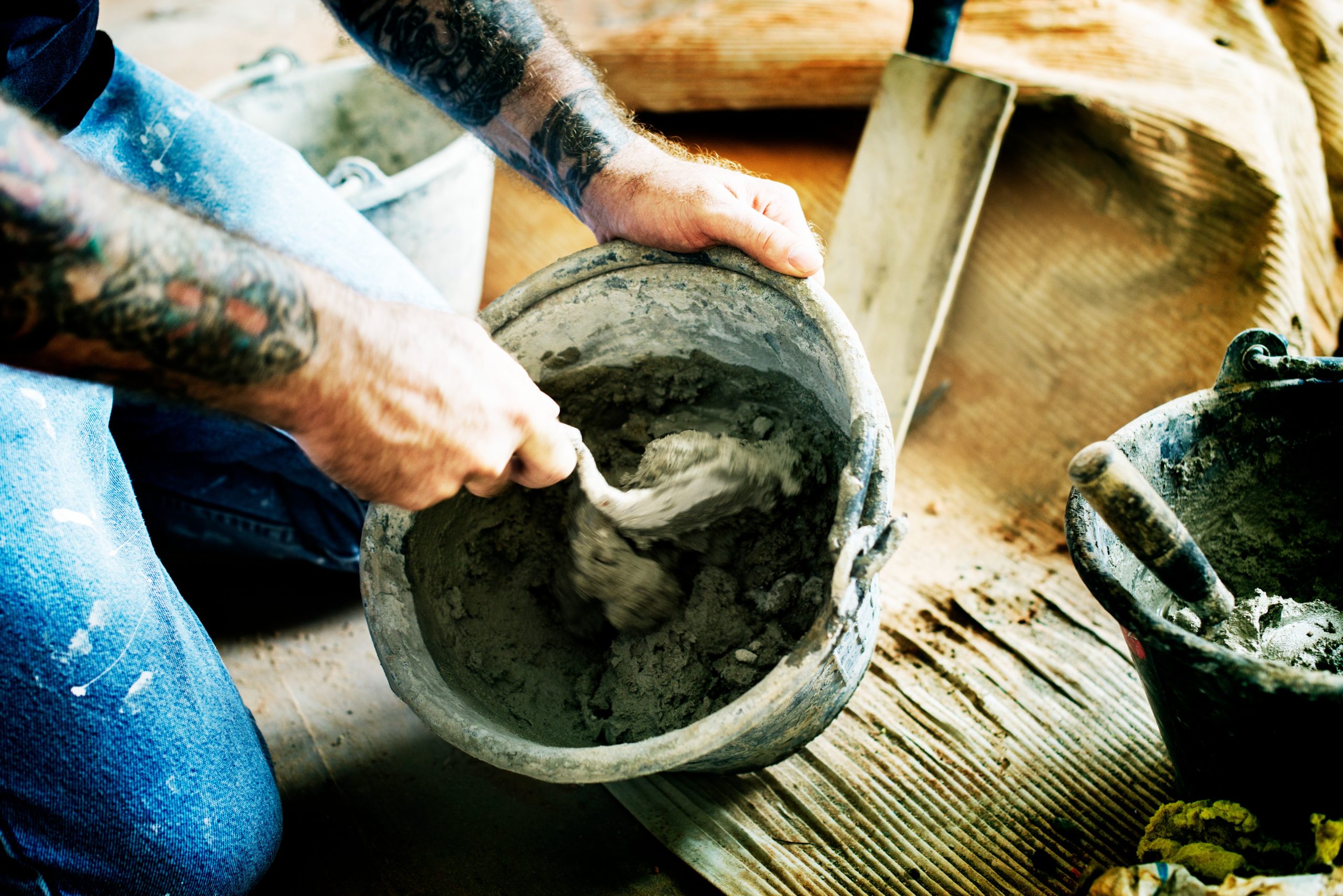
The Germany concrete repair mortars market is experiencing steady expansion, supported by aging infrastructure, increasing structural rehabilitation requirements, and growing demand for durable construction maintenance materials. Concrete repair mortars are widely used in bridges, highways, residential buildings, industrial facilities, and public infrastructure to restore damaged concrete, improve structural integrity, and extend asset lifespans. The market was valued at approximately USD 178.5 million in 2025 and is projected to reach USD 281.8 million by 2033, registering a CAGR of 5.9% from 2026 to 2033. Infrastructure modernization, building renovation, and sustainability requirements are creating favorable long-term market opportunities.
Growth Drivers Shaping Germany’s Concrete Repair Mortars Industry
Aging Bridge Infrastructure Accelerates Concrete Repair Demand
Increasing rehabilitation requirements across bridges, highways, tunnels, and public infrastructure are strengthening demand for concrete repair mortars throughout Germany. Approximately 4,000 motorway bridge structures have been identified as requiring modernization within a priority rehabilitation network, highlighting substantial infrastructure maintenance requirements. Aging concrete structures experience cracking, reinforcement corrosion, surface deterioration, and damage from heavy traffic and environmental exposure. Polymer-modified mortars, cementitious repair systems, and high-strength restoration materials provide improved bonding, durability, and structural performance. These solutions support effective infrastructure rehabilitation, reduce maintenance-related disruptions, and extend the operational lifespan of transportation assets.
Building Renovation and Structural Maintenance Support Market Growth
Germany’s established residential, commercial, and industrial building stock is creating recurring demand for concrete restoration solutions. Aging apartment buildings, parking structures, industrial facilities, and public buildings require periodic repair to maintain structural safety and performance. Structural repair applications accounted for approximately 63.5% of Germany’s concrete repair mortars market revenue in 2025, highlighting the importance of load-bearing restoration. Increasing emphasis on preventive maintenance, energy-efficient renovation, and longer building lifespans is encouraging adoption of specialized repair mortars offering enhanced adhesion, reduced shrinkage, and improved resistance to environmental deterioration.
Sustainable Construction Technologies Encourage Market Expansion
Growing emphasis on resource efficiency, environmentally responsible construction, and lifecycle performance is supporting demand for advanced repair mortar technologies. Polymer-modified cementitious systems, fiber-reinforced formulations, and low-emission repair materials can enhance restoration efficiency while reducing the need for repeated maintenance. Increasing adoption of automated application techniques and high-performance concrete repair solutions is creating opportunities for manufacturers supplying specialized infrastructure rehabilitation products.
Government Supporting Germany Concrete Repair Mortars Industry Development
Germany is strengthening infrastructure modernization and rehabilitation through long-term public investment initiatives. The government established a EUR 500 billion special infrastructure and climate-neutrality fund, with investment approvals permitted over a 12-year period from 2025 to 2036. The program supports transportation infrastructure, public facilities, and modernization priorities. Government initiatives targeting motorway bridge rehabilitation, railway improvements, and sustainable infrastructure development are expected to create opportunities for concrete repair mortar manufacturers while encouraging adoption of durable, efficient, and environmentally responsible restoration solutions.
Competitive Dynamics Across Germany’s Concrete Repair Mortars Industry
The Germany concrete repair mortars market includes domestic construction chemical manufacturers, international material suppliers, specialized repair mortar producers, and regional distributors. Competition centers on bonding strength, structural durability, environmental compliance, application efficiency, product certification, and pricing. Manufacturers are increasingly investing in polymer-modified formulations, advanced cementitious systems, and sustainable repair technologies to strengthen competitive positioning. Suppliers offering certified products, technical expertise, contractor training, and reliable distribution networks can gain competitive advantages across transportation, residential, commercial, industrial, and public infrastructure maintenance applications.
Challenges Influencing Germany’s Concrete Repair Mortars Industry
Rising Raw Material and Energy Costs
Fluctuations in cement, polymer additives, specialty chemicals, aggregates, and energy prices can increase manufacturing expenses and affect profitability. Transportation costs, supply chain disruptions, and strict product quality requirements further influence production economics and market competitiveness.
Skilled Labor Shortages and Regulatory Requirements
Concrete rehabilitation requires trained applicators, appropriate surface preparation, material selection, and controlled curing practices. Skilled workforce shortages, complex structural repair requirements, and stringent construction standards can increase project costs and delay infrastructure rehabilitation activities, particularly for specialized repair applications.
Future Outlook
The Germany concrete repair mortars market is expected to maintain positive growth, supported by infrastructure modernization, building renovation, and increasing emphasis on structural rehabilitation. Demand for polymer-modified mortars, high-strength restoration systems, and sustainable repair materials will continue creating opportunities across transportation, residential, commercial, and industrial applications. Advancements in fiber-reinforced formulations, rapid-setting technologies, and automated application systems are likely to improve repair efficiency and product performance. As Germany accelerates infrastructure rehabilitation and prioritizes long-term asset durability, suppliers offering innovative formulations, technical expertise, certified products, and reliable distribution capabilities should remain well positioned for future market expansion.
Consultants at Nexdigm, in their latest publication “Germany Concrete Repair Mortars Market Outlook to 2035,” analyze the sector By Infrastructure Application Sector (Transport Infrastructure, Residential Building Maintenance, Industrial Facility Infrastructure, Water and Wastewater Treatment Plants, Energy Generation Facilities, Commercial Infrastructure Portfolios), By Repair Technique (Manual Hand-Applied Patching, Wet-Spray Machine Application, Dry-Spray Pneumatic Application, Pressure Injection Grouting, Form-and-Pour Casting)
Nexdigm suggests that businesses in the Germany Concrete Repair Mortars Market Outlook to 2035 should prioritize sustainable repair formulations, advanced polymer technologies, infrastructure rehabilitation partnerships, certified application training, and regional distribution expansion to improve product performance, strengthen competitiveness, and capitalize on growing structural maintenance opportunities.
To take the next step, simply visit our Request a Consultation page and share your requirements with us.
Harsh Mittal
+91-8422857704