
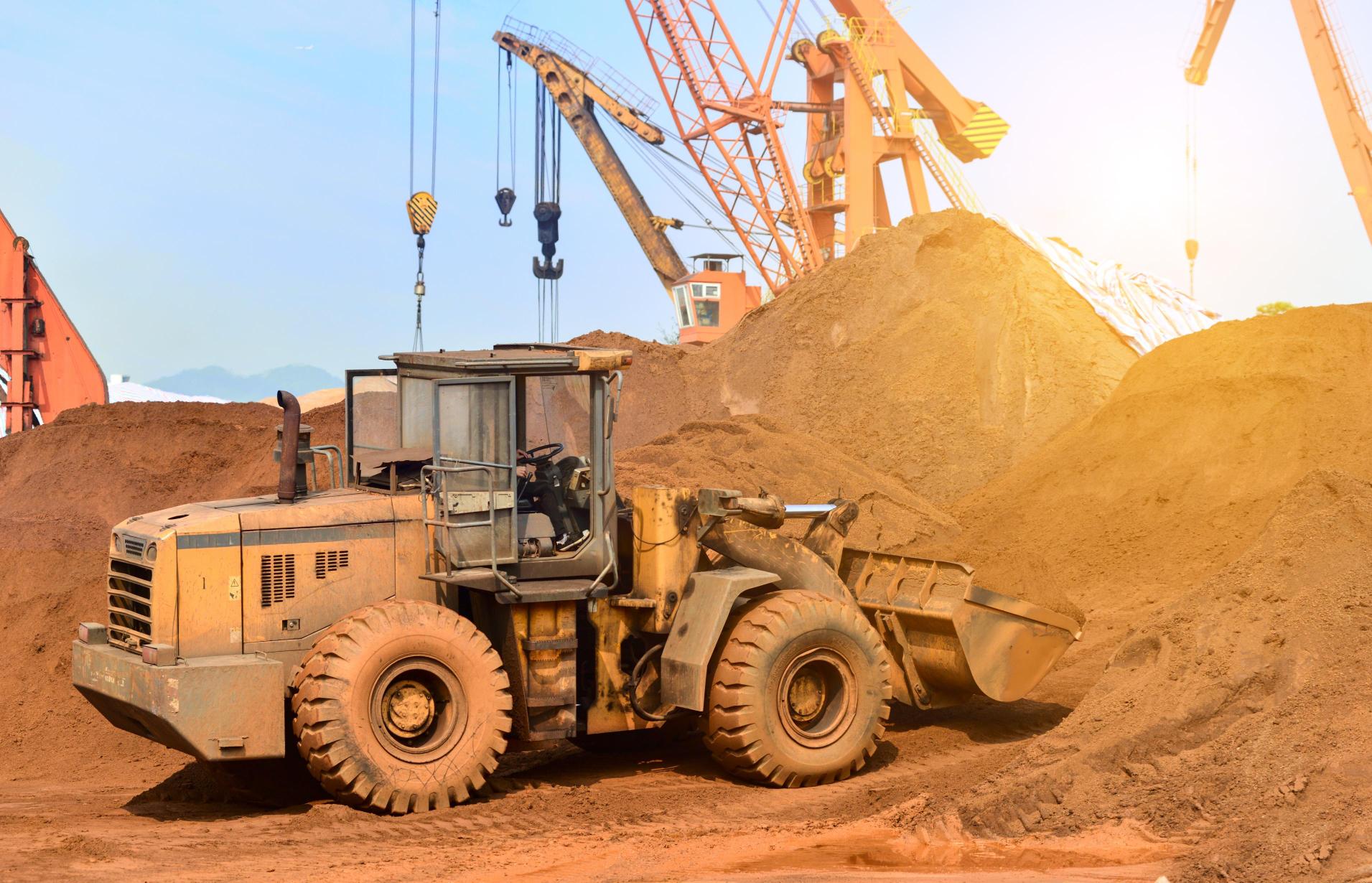
Germany’s construction equipment industry is witnessing steady expansion, supported by large-scale infrastructure modernization, urban redevelopment projects, and increasing adoption of sustainable machinery. The industry reached a value of approximately USD 12.42 billion and is projected to grow at a 4.8% CAGR, reaching nearly USD 19.86 billion by the end of the forecast period. Demand for excavators, tunneling equipment, compact machinery, and rental-based solutions is increasing as construction firms prioritize operational flexibility and efficiency. The transition toward low-emission equipment and electrification technologies is further reshaping the sector, creating new growth opportunities across civil engineering and infrastructure projects.
Market Drivers Advancing Germany Construction Equipment Growth
Infrastructure Modernization Driving Equipment Demand
Germany continues to invest heavily in transportation, public infrastructure, rail networks, bridges, and urban redevelopment projects. Major cities such as Berlin are witnessing extensive construction activity that requires advanced excavators, tunneling equipment, and heavy-duty machinery. The growing number of infrastructure upgrades across federal states is generating sustained demand for modern and efficient construction equipment. Large-scale civil engineering projects also require sophisticated machinery capable of improving productivity while reducing operational costs. As a result, contractors are increasingly investing in technologically advanced equipment to enhance project execution capabilities.
Growing Preference for Equipment Rental Solutions
A significant trend within the industry is the increasing adoption of rental-based equipment models. Mid-sized construction companies are prioritizing operational flexibility and optimized cash flow management rather than making substantial capital investments in machinery ownership. Rental solutions allow contractors to access specialized equipment for specific projects while reducing maintenance and storage costs. This trend is expected to continue as firms seek cost-effective approaches to managing fluctuating construction workloads.
Rapid Adoption of Electrified and Zero-Emission Machinery
Construction firms and equipment manufacturers are accelerating the shift toward electric and zero-emission machinery to meet stringent environmental standards. Manufacturers are integrating modular electrification systems into construction equipment portfolios while expanding offerings of battery-powered compact equipment. The growing focus on sustainability, combined with increasingly strict carbon reduction targets, is encouraging contractors to replace older diesel-powered fleets with cleaner and more energy-efficient alternatives.
Government Initiatives Supporting Germany Construction Equipment Sector
Germany’s commitment to climate neutrality and sustainable infrastructure development is encouraging the adoption of environmentally friendly construction machinery. Compliance with European Union Stage V emission standards and the Renewable Energy Directive III is accelerating the transition toward low-emission job sites. Government-backed infrastructure investments, rail modernization programs, and climate-focused construction initiatives continue to support demand for advanced equipment while promoting energy efficiency and carbon reduction across the industry.
Competitive Landscape of Germany Construction Equipment Industry
The industry features strong participation from established manufacturers such as Liebherr, Wacker Neuson, and other global equipment providers. Companies are competing through innovation in electrification, automation, fuel efficiency, and digital fleet management technologies. Strategic investments in research and development, dealer network expansion, and sustainable equipment solutions are strengthening market competitiveness. The increasing focus on zero-emission construction sites is also encouraging manufacturers to accelerate product innovation and portfolio diversification.
Challenges Impacting Germany Construction Equipment Industry
High Costs of Sustainable Equipment Transition
The shift toward electric and low-emission machinery requires significant investment in new equipment and supporting infrastructure. Small and medium-sized contractors may face financial challenges when upgrading fleets to comply with evolving environmental requirements.
Regulatory and Compliance Pressures
Stringent environmental regulations and emission standards increase operational complexity for equipment manufacturers and construction firms. Continuous compliance with evolving sustainability targets can raise development costs and extend equipment replacement cycles across the sector.
Future Outlook
Germany’s construction equipment industry is expected to benefit from long-term infrastructure modernization programs, increasing urban redevelopment activities, and continued investment in transportation networks. Rising construction requirements across residential, commercial, and industrial projects will sustain demand for advanced machinery, particularly heavy-duty excavators, tunneling equipment, and specialized material handling solutions. Strong government support for infrastructure upgrades is likely to reinforce industry expansion.
Consultants at Nexdigm, in their latest publication “Germany Construction Equipment Market Outlook to 2035 ,” analyze the sector By (Defining VDMA Machinery Classifications, Bottom-up Fleet Replacement Analysis, Top-down Infrastructure Spending Review, OEM Annual Report Data Extraction, Interviews with German Construction Associations, Dealer Network Penetration Assessment,).
Nexdigm suggests that businesses in the Germany Construction Equipment Industry focus on electrification, zero-emission machinery, and rental-based equipment solutions. Aligning with Stage emission standards, infrastructure modernization projects, and smart fleet technologies can help companies enhance competitiveness, improve compliance, and capitalize on sustained industry growth opportunities.
To take the next step, simply visit our Request a Consultation page and share your requirements with us.
Harsh Mittal
+91-8422857704