
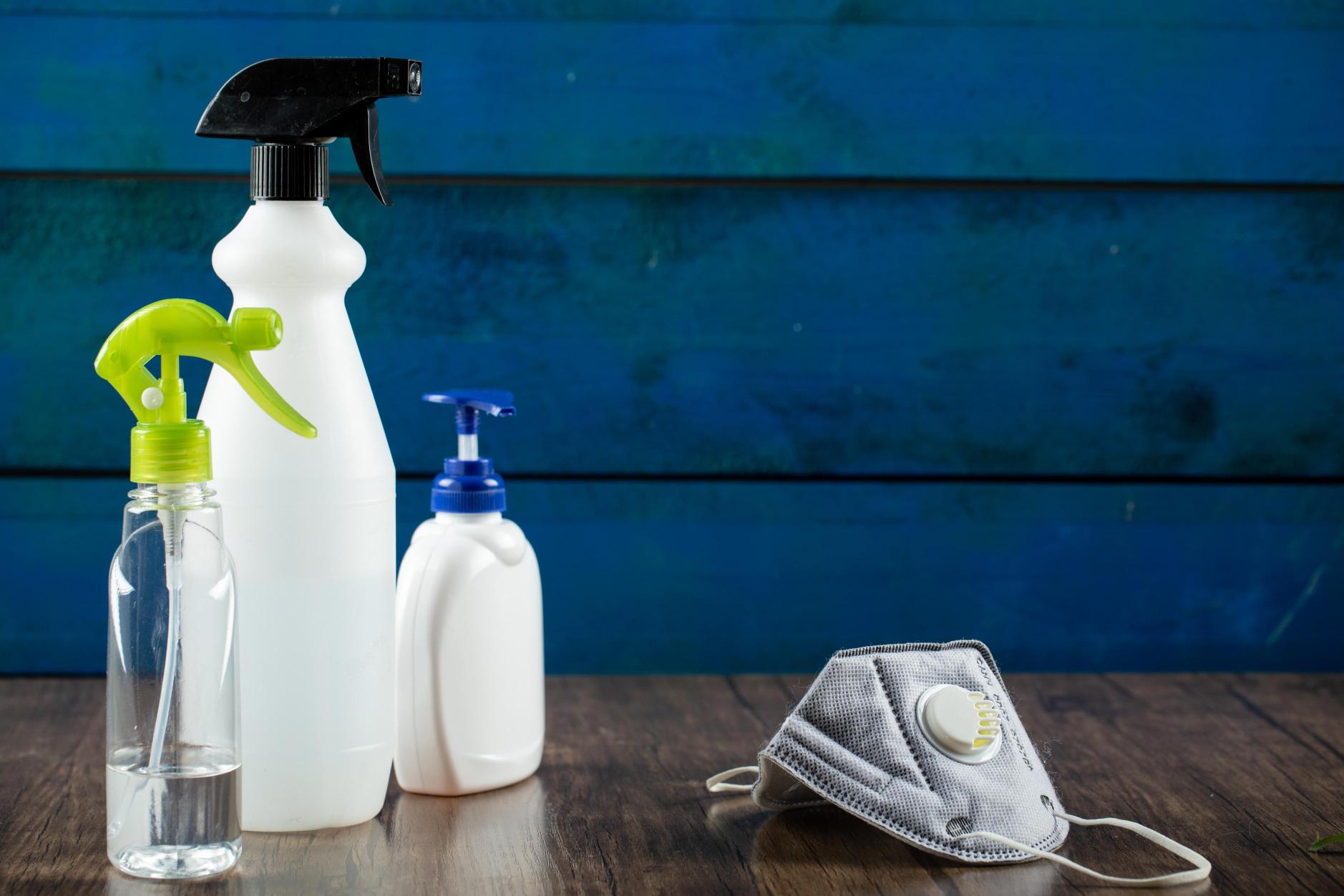
The Germany disinfectant products market is witnessing steady growth, driven by increasing hygiene awareness, healthcare modernization, and rising demand for effective infection prevention solutions. Germany’s disinfectant cleaners market is projected to register a compound annual growth rate (CAGR) of approximately 3.0–4.5% through 2035, supported by household consumption and institutional sanitation requirements. Expanding healthcare applications, growing demand for sustainable formulations, and stringent hygiene standards are strengthening market opportunities. Manufacturers are increasingly focusing on advanced antimicrobial technologies, environmentally responsible ingredients, convenient packaging, and improved product effectiveness to address evolving consumer expectations.
Key Market Drivers of Germany Disinfectant Products Market
Increasing Hygiene Awareness and Infection Prevention
Growing awareness regarding infectious diseases, healthcare-associated infections, and workplace hygiene is significantly influencing disinfectant consumption across Germany. Hospitals, schools, offices, hospitality establishments, and residential consumers increasingly prioritize cleaning and disinfection practices to minimize microbial contamination.
Expanding Healthcare and Commercial Applications
Healthcare facilities, pharmaceutical manufacturing units, food processing companies, laboratories, and hospitality establishments represent important demand centers for disinfectant products. Strict infection prevention protocols and sanitation requirements encourage consistent use of surface disinfectants, sprays, wipes, and specialized cleaning solutions.
Rising Demand for Sustainable and Advanced Disinfectants
Consumer preferences are gradually shifting toward disinfectant products that combine proven antimicrobial effectiveness with improved environmental characteristics. Manufacturers are exploring biodegradable ingredients, hydrogen peroxide-based formulations, refillable packaging, and reduced-residue cleaning solutions.
Government Support towards Germany Disinfectant Products Market
Germany’s Federal Institute for Occupational Safety and Health (BAuA) supports disinfectant product safety and regulatory compliance under the European Union Biocidal Products Regulation (EU) No. 528/2012. The regulation establishes requirements for active substance approval, product authorization, and safe market distribution. Additionally, the Robert Koch Institute promotes infection prevention guidelines and healthcare hygiene recommendations. Government-supported public health initiatives, environmental regulations, and institutional sanitation standards encourage evidence-based disinfection practices, strengthen product credibility, and support demand for compliant disinfectant solutions across healthcare and commercial environments.
Competitive Landscape of Germany Disinfectant Products Market
The Germany disinfectant products market features established domestic manufacturers and multinational companies competing through product innovation, antimicrobial effectiveness, brand recognition, and distribution capabilities. Companies are investing in advanced formulations, sustainable packaging, and specialized institutional cleaning solutions to strengthen their competitive positioning. Strategic partnerships, product differentiation, and expanding online distribution channels are also shaping competition. Manufacturers offering reliable, environmentally responsible, and competitively priced disinfectant products are expected to maintain strong market positions.
Market Challenges of Germany Disinfectant Products Market
Regulatory Compliance and Product Safety
Disinfectant manufacturers face stringent European Union regulations regarding product authorization, antimicrobial efficacy testing, chemical safety, and labeling requirements. These obligations increase product development costs and can delay commercialization. Environmental concerns regarding chemical residues, packaging waste, and potential health risks also encourage manufacturers to improve product safety.
Raw Material Price Volatility
Fluctuating prices of alcohols, specialty chemicals, packaging materials, and transportation services create profitability challenges. Competition from established brands and private-label products further increases pricing pressure, particularly within price-sensitive household disinfectant categories.
Future Outlook
The Germany disinfectant products market is expected to maintain steady expansion through 2035, supported by healthcare modernization, infection prevention priorities, and increasing demand for sustainable cleaning technologies. Future opportunities will focus on advanced surface disinfectants, biodegradable formulations, concentrated cleaning solutions, and specialized institutional hygiene products. Companies prioritizing antimicrobial effectiveness, regulatory compliance, product innovation, and cost efficiency are likely to strengthen their competitive advantages across residential, healthcare, commercial, and industrial applications.
Consultants at Nexdigm, in their latest publication “Germany Disinfectant Products Market Outlook to 2035,” analyze the sector By Product Type (Surface Disinfectants, Disinfectant Sprays and Aerosols, Disinfectant Wipes, Liquid Disinfectants), By Active Ingredient Type (Alcohol-Based Disinfectants, Chlorine-Based Disinfectants, Phenolic Disinfectants, Iodophor-Based Disinfectants).
Nexdigm suggests that businesses in the Germany disinfectant products market should prioritize product innovation, sustainable formulations, regulatory compliance, and strategic partnerships to capitalize on growing hygiene awareness, expanding healthcare demand, and emerging opportunities across residential, commercial, and industrial applications through 2035.
To take the next step, simply visit our Request a Consultation page and share your requirements with us.
Harsh Mittal
+91-8422857704