
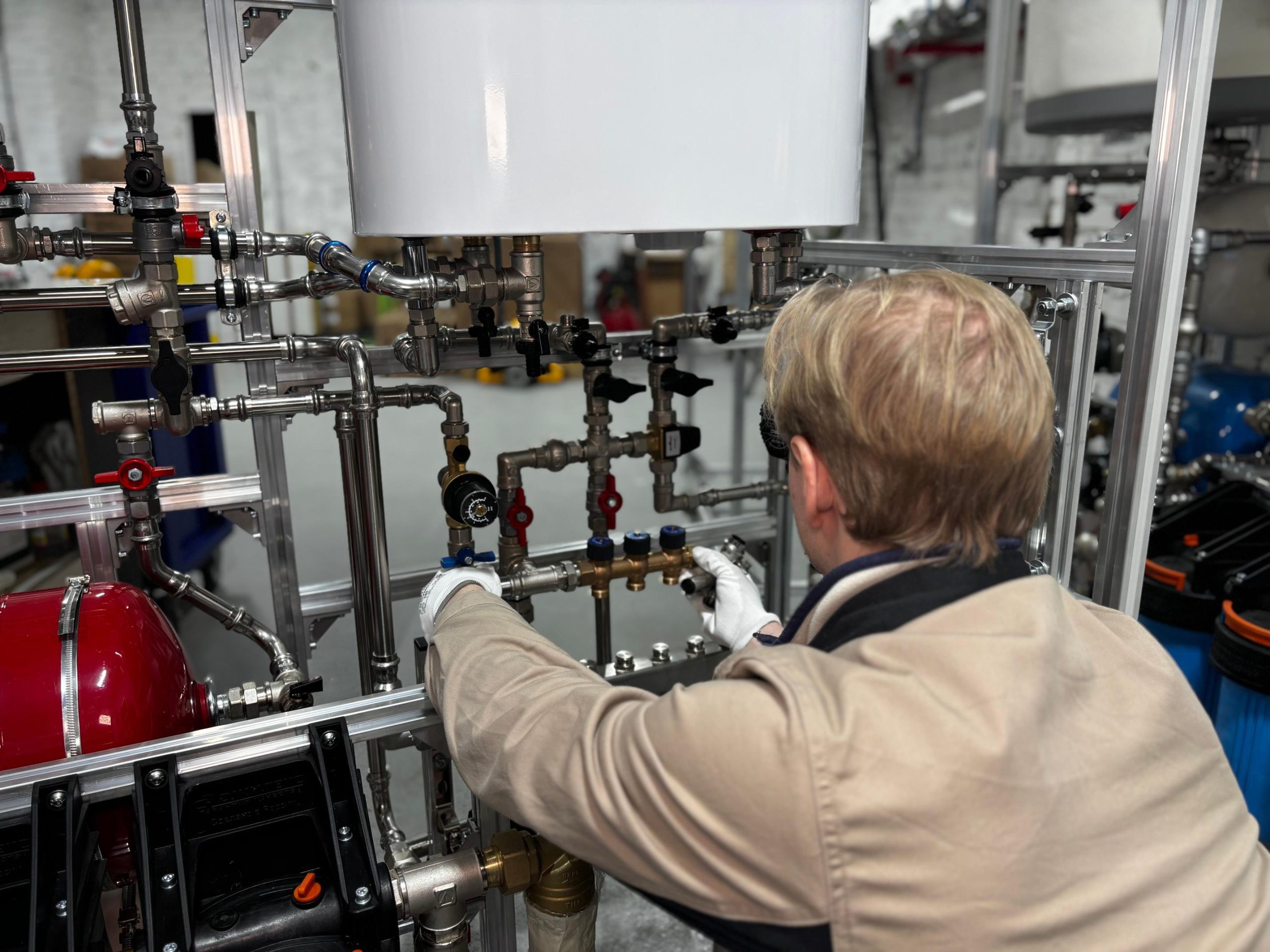
Germany electric boiler industry is experiencing strong momentum as industries, commercial facilities, and district heating operators increasingly transition toward low-carbon heating solutions. The sector is projected to reach approximately USD 2.45 billion in value, supported by a robust 8.4% compound annual growth rate (CAGR) through the forecast period. Rising electrification efforts, renewable energy integration, and stricter building efficiency requirements are accelerating adoption. Electric boilers are gaining prominence due to their ability to convert excess renewable electricity into heat while supporting Germany’s broader decarbonization objectives across manufacturing, construction, and residential applications.
Market Drivers Advancing Germany Electric Boiler Sector
Growing Shift Toward Industrial Electrification
Germany’s manufacturing and construction sectors are actively pursuing electrification to reduce dependence on fossil fuels. Electric boilers offer a practical solution for industrial facilities seeking lower carbon emissions while maintaining operational efficiency. Major industrial regions such as Stuttgart are increasingly integrating advanced thermal systems into modern production facilities. This shift is creating sustained demand for high-capacity electric boiler installations across factories, commercial buildings, and infrastructure projects.
Expansion of Renewable Energy and Power-to-Heat Systems
The growth of renewable electricity generation has significantly enhanced the attractiveness of electric boilers. District heating operators are increasingly deploying large-scale electrode boilers to absorb surplus wind and solar power through power-to-heat conversion processes. These systems help stabilize electricity grids while improving energy utilization rates. As renewable energy capacity continues to expand, electric boilers are emerging as a strategic technology for balancing power supply and heating demand.
Smart Building Integration and Efficiency Improvements
Another major growth catalyst is the integration of electric boilers with digital building management platforms. Manufacturers are developing high-efficiency cascade boiler systems capable of real-time monitoring and automated energy optimization. Smart control technologies allow facilities to reduce operating costs and improve overall performance. The combination of automation, energy efficiency, and compatibility with modern infrastructure is strengthening the industry’s long-term growth prospects.
Government Initiatives Supporting Germany Electric Boiler Growth
Germany’s regulatory framework strongly supports heating decarbonization and energy efficiency improvements. The Building Energy Act encourages the adoption of cleaner heating technologies while promoting the gradual phase-out of fossil-fuel-based systems. Government agencies are also supporting investments in electrification infrastructure, renewable energy integration, and thermal storage technologies. These initiatives align with Germany’s national climate neutrality ambitions and are creating favorable conditions for electric boiler deployment across residential, commercial, and industrial sectors.
Competitive Landscape of Germany Electric Boiler Industry
The competitive environment features both established heating equipment manufacturers and specialized industrial technology providers. Companies such as Viessmann, headquartered in Allendorf and founded in 1917, continue to expand their portfolios with advanced high-efficiency electric boiler solutions. Industry participants are focusing on smart controls, enhanced energy efficiency, and scalable heating systems to strengthen their market positions. Strategic investments in research, development, and digital integration remain key competitive differentiators.
Challenges Impacting Germany Electric Boiler Industry
High Initial Investment Requirements
Despite strong growth potential, electric boiler installations often require significant upfront capital expenditure. Infrastructure upgrades, electrical system modifications, and integration with existing heating networks can increase project costs, particularly for large industrial facilities.
Electricity Price Volatility
Operational costs remain sensitive to fluctuations in electricity prices. While renewable energy expansion may improve long-term affordability, short-term energy market volatility can influence investment decisions and affect adoption rates among cost-conscious end users.
Future Outlook
The future of Germany electric boiler industry appears highly promising as electrification, renewable energy integration, and sustainability objectives continue to converge. Continued advancements in smart heating technologies, thermal storage systems, and grid-responsive boiler applications are expected to enhance sector efficiency. Growing investments in district heating modernization and industrial decarbonization projects will further support expansion. As Germany advances toward climate neutrality goals, electric boilers are likely to play an increasingly important role in transforming the country’s heating infrastructure and supporting sustainable economic growth.
Consultants at Nexdigm, in their latest publication “Germany Electric Boiler Market Outlook to 2035,” analyze the sector By (Defining Electric Boiler Market Scope, Bottom-Up Supply Side Revenue Aggregation, Top-Down Demand Side Growth Projection, Government Policy Impact Modeling,).
Nexdigm suggests that businesses in the Germany Electric Boiler Industry focus on expanding smart heating capabilities, integrating renewable energy solutions, and investing in high-efficiency electric boiler technologies. Companies that align with decarbonization targets, power-to-heat applications, and digital building management systems can strengthen competitiveness and capitalize on the industry’s sustained growth opportunities.
To take the next step, simply visit our Request a Consultation page and share your requirements with us.
Harsh Mittal
+91-8422857704