
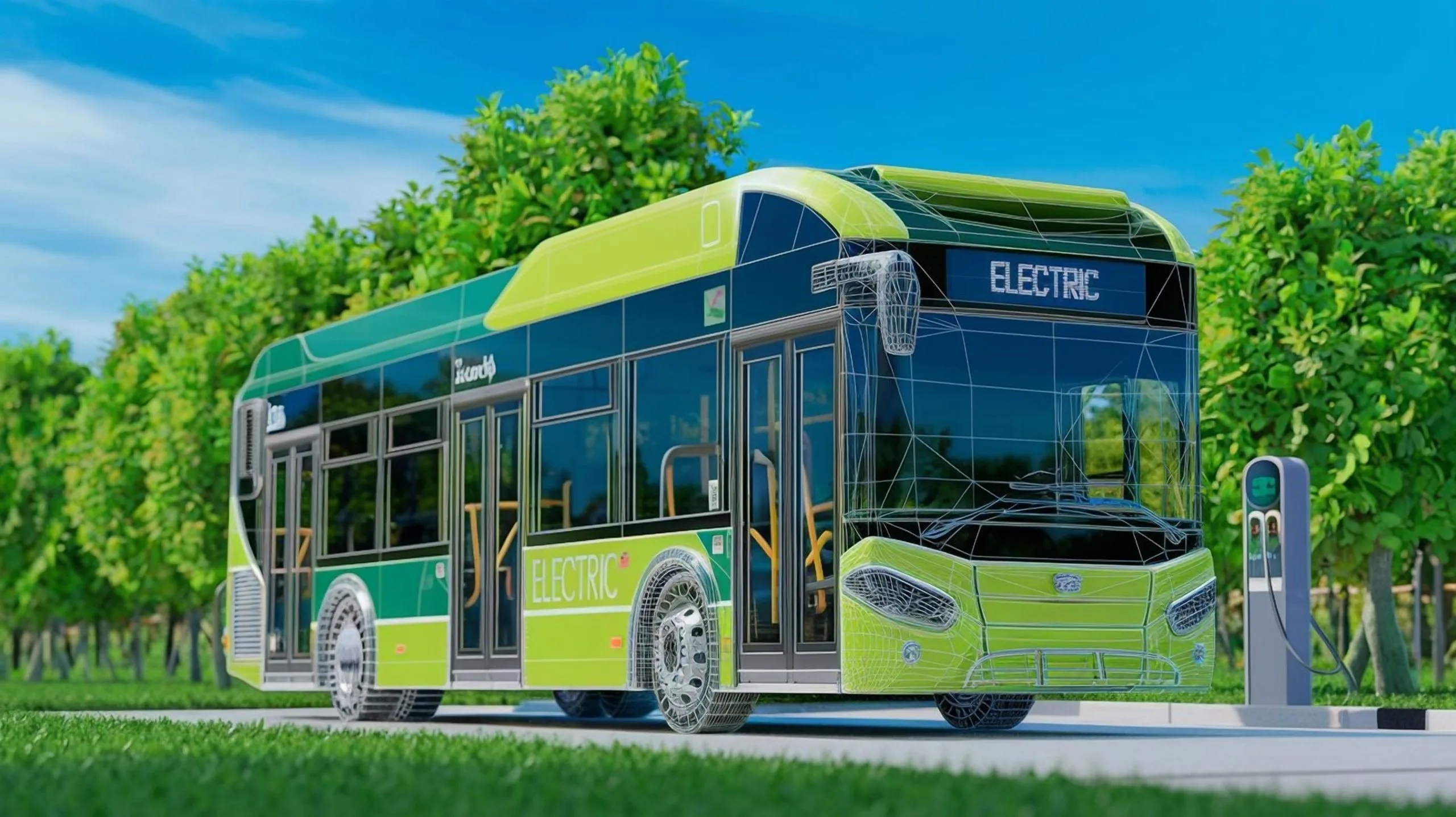
Germany’s public transport network is in the middle of a clear shift away from diesel buses. What was once limited to pilot fleets in a few cities has become a broader procurement trend across the country. Transit operators in Berlin, Hamburg, Cologne, Frankfurt, and Munich are steadily adding battery-electric models while retiring older combustion fleets. The change is not only about emissions. Noise reduction, lower maintenance needs, and public pressure for cleaner streets all matter. By 2026, Germany stands among the more active electric bus markets in Europe, helped by industrial capability, supportive funding programs, and municipalities willing to modernize fleets. Still, the transition is not effortless. Buying the vehicles is only one part of the equation. Charging depots, route planning, grid access, and staff training often determine whether projects run smoothly or stall. Through 2035, the market looks set to expand, though progress will likely vary by city size and budget strength.
What’s Driving the Electric Bus Market in Germany?
Climate Rules and Urban Air Quality
German cities face continued pressure to cut transport emissions and improve local air quality. Buses are highly visible public assets, so replacing diesel fleets often becomes one of the fastest ways for municipalities to show measurable progress. Electric models also reduce street-level noise, which residents notice immediately on dense urban corridors and residential routes. In practice, that public benefit can matter as much as carbon targets.
Better Economics Over Time
Sticker prices for electric buses remain higher than diesel alternatives, but operators increasingly look at full lifecycle cost rather than purchase price alone. Electric drivetrains have fewer moving parts, brake wear is lower because of regenerative braking, and fuel cost volatility is less severe when fleets charge under negotiated power contracts. For agencies running buses daily for years, those savings become hard to ignore.
Improved Vehicle Performance and Infrastructure
Range anxiety used to dominate every discussion around electric buses. That concern has eased as battery capacity improves and charging systems become more reliable. Many city routes now fit comfortably within daily operating ranges. Depot charging is common, while opportunity charging can support heavier duty schedules. On the ground, once dispatch teams trust the equipment, adoption tends to accelerate.
Government-Led Initiatives
Federal and regional authorities have played an important role in moving projects from discussion to purchase order. Germany has offered grants for zero-emission bus procurement, depot upgrades, and related infrastructure in several funding rounds. Without that support, many operators would have delayed fleet renewal. State-backed lenders and European financing programs have also helped spread upfront costs over longer periods. That matters because municipal transport budgets are often tight, even in wealthy regions. Public policy has not solved every problem, but it has shortened the gap between ambition and execution.
Market Competition
Competition in Germany remains solid, with established European manufacturers leading most tenders. Key names include Daimler Buses, MAN Truck & Bus, Solaris Bus & Coach, IVECO BUS, and VDL Bus & Coach. Daimler Buses benefits from strong domestic recognition and service reach. MAN Truck & Bus has invested heavily in electrified commercial mobility. Solaris Bus & Coach, meanwhile, built an early reputation in battery buses and remains competitive in many European tenders. Winning contracts often comes down to service guarantees, battery warranty terms, and delivery timelines rather than headline specs alone.
Infrastructure Bottlenecks and Grid Readiness
A common challenge is not the bus itself, but everything around it. Large depots may need transformer upgrades, new cabling, charger installation, and software to manage simultaneous charging. Utility approvals can take time, particularly in dense urban areas where grid capacity is already under pressure. Smaller cities face a different problem: they may want electric fleets but lack technical staff or capital to redesign depots. This creates an uneven market where large operators move faster while smaller agencies wait.
Future Outlook
Germany’s electric bus market should continue expanding through 2035 as diesel replacement becomes less optional and more routine. By the early 2030s, battery-electric buses are likely to dominate new city bus purchases, especially on urban and suburban routes where charging logistics are manageable. Hydrogen buses may retain a niche role for longer-distance or intensive duty cycles, though costs remain a hurdle. The next phase will be less about proving the technology and more about scaling operations efficiently. Operators that master charging schedules, maintenance planning, and battery replacement cycles will gain the most value.
Consultants at Nexdigm, in their latest publication “Germany Electric Bus Market Outlook to 2035”, analyzed the market by Propulsion Type (Battery Electric Bus, Plug-in Hybrid Bus, Hydrogen Fuel Cell Bus), By Bus Length (Below 10m, 10–12m, Above 12m), By End User (Municipal Transit Agencies, Private Operators, Airport & Shuttle Services), and By Region (West Germany, South Germany, North Germany, East Germany). Nexdigm believes businesses should focus on charging partnerships, dependable after-sales support, and battery lifecycle management to compete effectively in Germany’s evolving transit market.
To take the next step, simply visit our Request a Consultation page and share your requirements with us.
Harsh Mittal
+91-8422857704